| Henry VI (1421-1471) | Link to Wikipedia |
Henry VI (1421–1471): History and Coinage
In the annals of medieval monarchy, Henry VI stands as a unique figure, ascending to power at merely eight months old following the death of his father, Henry V. His reign was defined by extraordinary circumstances; he became the only sovereign in English history crowned King of both England and France through separate ceremonies. Born during the Hundred Years' War, his childhood rule under regents like the Duke of Bedford established him as a symbolic figurehead amidst shifting political tides.
The historical significance of Henry VI extends into the heart of European diplomacy. As titular claimant to French lands until 1453, he represented England’s final aspirations on the continent. However, his later years were overshadowed by periods of mental incapacity beginning in 1453 and a violent political struggle that fractured the nation's unity between Lancaster and York factions. Despite these challenges, he founded major educational institutions including Eton College, leaving an enduring intellectual legacy alongside his tragic royal lineage.
Relationship to Coinage
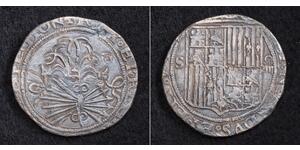
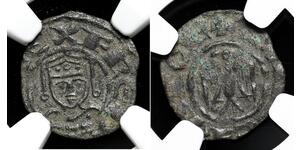
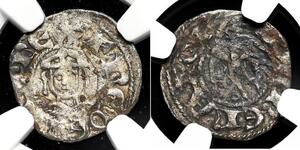
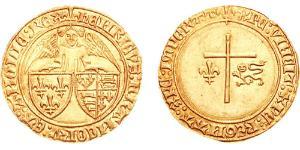
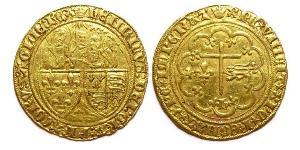
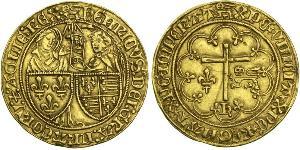
The coins depicting Henry VI were primarily issued during the reign of England and France under terms that reflected a fractured authority rather than absolute control. Due to significant financial crises such as the Great Bullion Famine in 1437, the minting schedule was often irregular or restricted compared to previous monarchs.
- Minting Period: Most silver issues were circulated during his minority and restored period (post-1460), though gold coins like nobles appear less frequently in circulation records for this specific reign.
The decision to place the King's likeness on metal currency served as a statement of sovereignty despite weak royal authority. When minters struck these pieces, they aimed to project stability and legitimacy even when England had collapsed entirely on French soil by 1453. The coins often bore simpler designs than earlier issues due to economic strain, yet maintained religious iconography reflecting the pious nature described in contemporary accounts.
Why Collectors Value These Coins
Few items in numismatic history carry as much gravity regarding political instability as Henry VI's currency. For historians and collectors alike, these artifacts offer a tangible connection to the Wars of Roses era without relying solely on textual records.
- Rarity: Financial difficulties halted production for extended periods, making surviving specimens rare in both fine condition and overall count.
The portrait represents an era where personal piety clashed with the demands of governance during a civil war. The silver groats issued under his rule are prized not just as currency but as witnesses to dynastic collapse. They allow collectors to examine how royal imagery persisted even when actual political power was seized by Yorkist usurpers or foreign claimants.
The legacy is educational, providing context for the transition from medieval peace treaties to early modern warfare on coins that have survived five centuries of handling and historical neglect. By studying these issues, enthusiasts understand how a monarch can be both celebrated founder and deposed prisoner within mere years.