| Haakon VII of Norway (1872 - 1957) | Link to Wikipedia |
Haakon VII of Norway (1872–1957): History and Coinage
King Haakon VII, born Prince Carl of Denmark in 1872, stands as a pivotal figure in the modern history of Scandinavia. He assumed the Norwegian crown following the peaceful dissolution of its union with Sweden in 1905 after serving long years on his father's side but stepping down from Danish succession to embrace independence. During his reign spanning nearly fifty-two years, Haakon provided steady leadership through two world wars. While he maintained a constitutional role as head of state and symbolic representative rather than political operator, his resolve proved vital when Nazi Germany invaded Norway in 1940. He refused to legitimize the puppet government and chose exile with Queen Maud until German forces retreated, remaining King of all Norwegians even from abroad during the occupation period.
Connection to Coinage
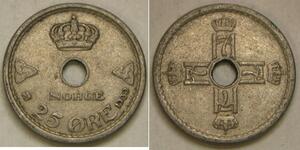
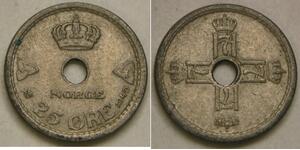
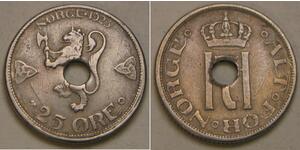
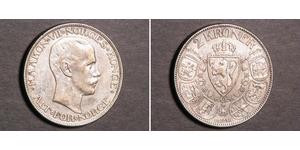
The portrait of Haakon appears primarily on Norwegian coinage issued after 1905. Before his accession, coins bore Danish imagery as he was a prince in Denmark-Norway; however, once independence took hold, the monarchy needed distinct national symbols to legitimize sovereignty separate from Swedish or German heritage.
Coin minting shifted focus upon this transition. The first series often featured Haakon adopting the Old Norse name rather than retaining his Danish birthname, emphasizing cultural rebirth for visitors examining historical currency of that era. Although many coins were standard circulation pieces used by merchants and civil servants throughout Europe's mid-century conflicts, collectors also find significance in special emergency issues or commemorative strikes struck during wartime when regular mints faced shortages.
The Appeal for Collectors
- Educational value is paramount because these items visualize the resilience of a small nation against global threats.
- Rarity exists within certain circulation issues produced while mint operations functioned under German oversight or in exile locations like London, making identification crucial for context.
- The artistic quality reflects early twentieth-century engraving standards where portrait realism was prioritized over intricate historical ornamentation found on older issues from the medieval kingdom of Norway before union times. Collecting these pieces offers insight into how national identity can be forged through metal and design during turbulent geopolitical eras.