

| Gaston, Duke of Orléans (1608 - 1660) | Link to Wikipedia |
Gaston Jean Baptiste de France (1608–1660): History and Coinage
Gaston Jean Baptiste de France was a pivotal figure in early modern French monarchy and political intrigue. Born at the Palace of Fontainebleau on April 24, 1608, he was the third son of King Henry IV and Queen Marie de' Medici. As a Fils de France (Son of France), his lineage placed him at the very center of power before his brother Louis XIII ascended to the throne in 1610. He received the title Duke of Orléans later, acquiring significant political influence through this appanage.
Gaston’s life was defined by intense rivalry with Prime Minister Cardinal Richelieu and King Louis XIII himself. His early rebellion against central authority led to his exile in Flanders and Spain following a series of conspiracies that threatened the stability of the French government. He later served as Lieutenant-General, fighting foreign wars while navigating domestic conflicts during the Fronde (1648–1653). His personal life was equally dramatic; he married Marie de Bourbon first and then Marguerite of Lorraine in secret before being forced to accept annulment under Royal decree before eventually regularizing his marriage upon Louis XIII's death.
Relationship to Coinage
In the political climate of 17th-century France, coin issuance was heavily centralized by the Crown. Under Henry IV and especially during the reigns of Louis XIII and Louis XIV, minting rights were reserved for sovereign monarchs to ensure national monetary stability against counterfeiting and foreign influence.
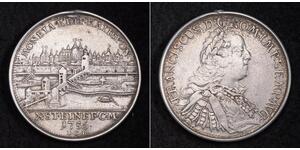
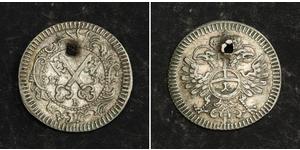
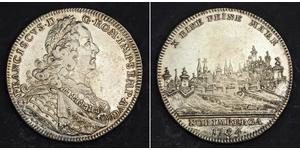
Gaston did not issue standard circulating currency in his name like the Kings who preceded him; this was consistent with royal policy designed to prevent powerful nobles from issuing their own tender. Instead, Gaston appears on numismatic history primarily through commemorative medals struck during significant personal events, such as his annulment or marriage ceremonies. Some rare pieces may be attributed to local minting operations in Lorraine while he served there under political exile.
Collectors should understand that the presence of a Prince du Sang like Gaston on metal indicates special privileges often granted by Royal Decree rather than sovereign independence.
- Coinage from this era prioritized the Kings (Louis XIII, Louis XIV) to maintain economic order.
- Gaston's likeness found expression in medals which served as public records of royal favor and political standing.
Why Collectors Value These Coins
Collectors are drawn to pieces related Gaston primarily because they offer a tangible connection to the high-stakes world of court politics. Unlike common currency, items bearing his effigy often carry significant historical weight regarding succession lines and noble hierarchy.
- Rarity: Genuine strikes associated with him are exceptionally scarce compared to standard royal issues.
- Historical Importance: These pieces document the life of a man who was heir presumptive before his nephew's birth.
- Educational Context: Studying these items helps enthusiasts understand why Princes du Sang had limited rights over minting.
Possessing an item featuring Gaston provides access to stories of the Palaces at Blois and Luxembourg, making them sought-after additions for serious numismatists focused on European sovereign history. Collectors value these objects not just as bullion or metalwork, but as historical artifacts preserved from a turbulent period in French statehood.


