


| Fulvia Plautilla (189-212) | Link to Wikipedia |
Fulvia Plautilla (died 211): History and Coinage
In the complex political landscape of late second-century Rome, Fulvia Plautilla serves as a compelling case study in how personal tragedy intersects with imperial propaganda. Born to an aristocratic family originating from Leptis Magna, she entered history primarily through her marriage arrangement within the Severan dynasty around 202 CE.
The union between Caracalla and his father-in-law Septimius Severus was a strategic masterstroke designed to bind loyalty among powerful clans. However, contemporary accounts suggest this forced political match lacked genuine affection on either side of the aisle. Her life’s trajectory shifted dramatically with the execution of her own father, Gaius Fulvius Plautianus, in 205 CE for alleged treasonous activities against his adoptive brother and Caracalla himself.
This event initiated a period where she was cast into exile to Sicily. Following Severus’ death shortly after Geta’s demise two years later in 211 CE, the political winds turned completely against her remaining family members who were stripped of their titles and eventually put to death on Caracalla's orders or under pressure from him.
The Numismatic Evidence
Issuing Context:
- Roman Empire (Severan Dynasty):
- Issuer: Primarily Lucius Septimius Severus rather than Caracalla.
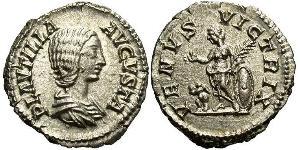
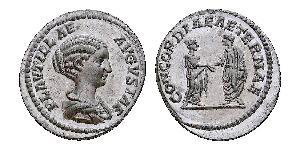
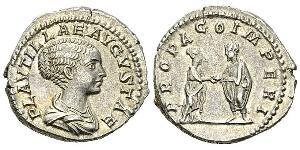
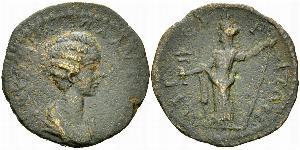
Fulfilling her role as Empress Augusta, she appears on surviving denarii and aurei mainly under the reign of her father-in-law. Collectors note that these coins were part of an official propaganda effort to glorify the imperial house following Severus' accession. Once the political climate soured due to Plautianus’s trial in 205 CE, issuing ceased almost entirely.
Rarity and Collector Interest
Prominence:
- Scholarly Value:
Nature enthusiasts often appreciate these pieces because they provide a rare physical testament to the family dynamics that drove Roman policy. While Caracalla did not issue standard coins bearing her face following the purges, his father’s coinage from earlier years remains crucial for understanding the timeline of her fall.
- Rarity:
The Solinjanka bust found in Croatia suggests her likeness persisted through portrait art even after their deaths. Consequently, collectors prize these issues not necessarily by monetary market standards but because they offer a unique glimpse into how ancient artists depicted women who wielded immense influence behind the throne before being erased from public memory to satisfy a vengeful husband and jealous emperor.


