| Constantine I (272 - 337) | Link to Wikipedia |
Constantine I (27 February 272 – 22 May 337): History and Coinage
The Imperial Pivot
Standing at the intersection of antiquity and medieval history, Constantine I remains one of Rome's most transformative figures. Born in Naissus to a military father who rose within the Tetrarchy, he ascended from generalship to emperor status through civil war victories that eventually consolidated his power over the known world. His reign marked more than mere political consolidation; it represented a profound cultural shift as the first Roman sovereign openly associated with Christianity. By moving the imperial capital eastward and renaming Byzantium Constantinople, he secured an eastern foothold that would define European geopolitics for centuries.
The Numismatic Legacy
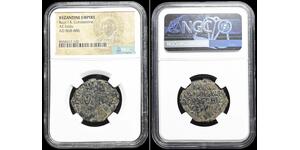
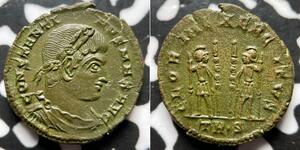
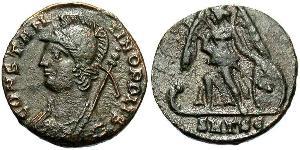
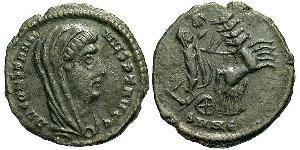
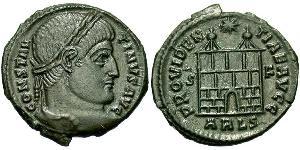
Beyond his political victories, Constantine understood the power of currency as a tool of state. Upon accession to imperial office during turbulent times plagued by inflation and instability, he introduced the solidus—a high-purity gold coin that anchored economies for over a millennium. Collectors often find early issues from this period particularly revealing; the portraits evolved to reflect both his personal journey and divine favor granted upon him.
During his life and posthumously throughout the Byzantine era, imperial authority was broadcast through the circulation of metal money. His depiction on coins served dual purposes: it legitimized dynastic rule and propagated religious tolerance following key legal decrees. Unlike earlier emperors who utilized imagery strictly for personal glorification, Constantine’s coinage began to incorporate iconography that signaled a new spiritual order within the Empire.
The Collector’s Perspective
- Rarity and Condition: While many examples survive due to massive production for payrolls, high-grade specimens featuring his early campaigns or specific religious reverses remain scarce on the market.
- Artistic Quality: The craftsmanship of these issues bridges Roman realism with emerging Christian iconography, offering numismatists a visual study in how art evolved alongside theology during this epoch.
Possessing coins from Constantine’s reign allows collectors to hold the physical manifestation of an era where religion and governance became inseparable. Whether focusing on early provincial issues or later imperial mintings, these pieces connect modern enthusiasts with a pivotal moment in human history.