| Constantine IX Monomachus (1000-1055) | Link to Wikipedia |
Constantine IX Monomachos c. 980–1055: Life, Reforms, and Coinage
A Legacy of Reform in a Turbulent Era
Welcome to an exploration of Constantine IX Monomachos, one of the most complex figures of Byzantine history. As he ascended the throne following the overthrow of Michael V in 1042, the Empire stood at a critical juncture between Basil II's long peace and the looming Seljuq expansion. Though often remembered for his personal charm and generous spirit—traits that endeared him to the people of Constantinople—his reign was defined by fiscal struggles. He inherited an overflowing treasury from his predecessor but struggled against prodigality, eventually depleting imperial wealth through lavish religious patronage and political bribery.
Beyond his reputation as a military figure, Constantine's true legacy lies in his administrative efforts. His attempts to mediate between the urban elite and provincial powerholders laid groundwork for future governance systems. However, history judges him harshly regarding defense; while he successfully repelled Kievan Rus' raids early on, his later years were overshadowed by defeat against the Pechenegs. For collectors studying this period, Constantine represents a fascinating transition: an ambitious reformer whose attempts to modernize state administration and law ultimately preceded the catastrophic decline leading up to Manzikert.
The Emperor's Silver
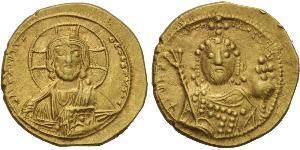
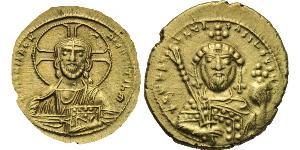
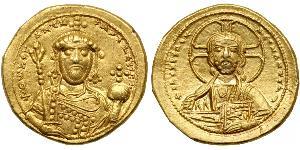
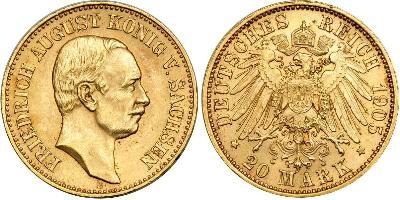
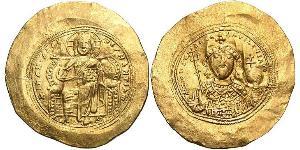
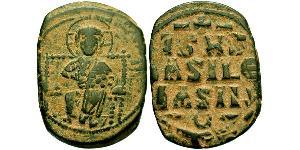
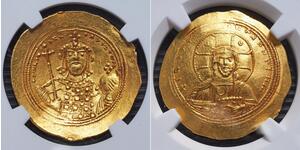
In the realm of numismatics, coins depicting Emperor Constantine IX offer a tangible link to these shifting economic realities. The Byzantine Empire issued gold solidi under his name known as nominata. Collectors often study these pieces for their historical implications regarding currency purity.
- The Debasement: Unlike the high-quality gold coins of Basil II, Constantine's reign is noted in numismatic history for a deliberate reduction in metal content. This shift reflects his desperate need to fund gifts and pay off political debts rather than minting coinage from pure resources.
- Lifetime Issues: Most specimens date directly from 1042 until his death, though posthumous strikes by successors exist. The portraits vary between the "young" and older issue types, marking a specific era where imperial authority began to fracture under economic strain.
A Collector's Choice
For enthusiasts of Byzantine numismatics, Constantine IX Monomachos is often considered one of the more challenging but historically significant acquisitions in medieval coinage. The historical context adds immense value to a piece; owning an issue from his reign provides direct evidence of how quickly imperial prestige waned before 1054.
The artistic merit found on these gold coins reflects Byzantine iconographic traditions that were centuries-old by the time Constantine sat upon the throne. While they may lack the pristine quality of earlier Basil II issues, they capture a pivotal moment in history where an emperor tried to hold back economic collapse through sheer will.
We encourage you to examine these pieces closely; understanding the subtle changes in purity and style helps date other coins from this chaotic 11th-century period. Every nominaton of Constantine Monomachos is a small artifact standing guard over an empire that was changing irrevocably under his watch.