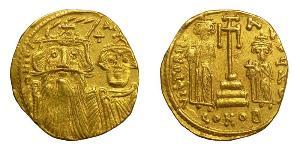
| Constans II (630-668) | Link to Wikipedia |
Constans II (November 7, 630 – July 15, 668): History and Coinage
Constans II stands as a pivotal figure in the late sixth century Byzantine Empire, ruling during a tumultuous period marked by Arab invasions and internal theological strife. Born into the Heraclian dynasty on November 7, 630, he assumed sole authority following his father's death in February 641 after his half-brother was deposed later that year. His reign defined an era where Eastern expansionism collided with Western diplomacy as the empire faced severe pressure on its frontiers in Armenia and Italy against growing caliphate forces under Uthman and Muawiyah I.
During a period of intense instability, Constans led military expeditions into Lombard territory to secure western territories. He remains unique among emperors for his unprecedented journey to Rome during a time when Constantinople had long been considered the world capital by default after centuries of dominance over the West following 476 AD.
The Emperor on Gold
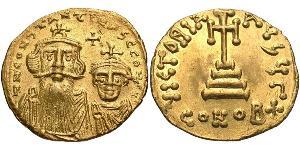
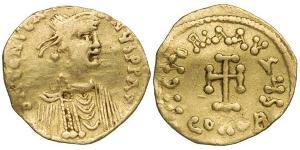
Constans issued coinage primarily utilizing the solidus, a high-value gold denomination that functioned as standard currency throughout the Mediterranean world. While most examples were struck within Constantinople, specimens also circulated in Italy following his decision to abandon the eastern capital for safety and political strategy. These coins often depict an imperial bust accompanied by inscriptions asserting authority against rival local powers.
During his Italian campaigns against Lombardy around 658 through 667, some mint activity likely occurred at Syracuse or Ravenna to support local military operations. This shift suggests that numismatists might encounter different dies or regional variations compared to pure eastern issues struck in the capital city.
The Collector's Perspective
Collectors seek Constans' gold pieces not merely as currency but as tangible links to the early medieval transition of power in Europe. While many specimens survive from earlier centuries, their scarcity on modern markets remains high because they bridge a critical historical gap between classical antiquity and the Middle Ages.
- These coins provide rare glimpses into an emperor who personally visited Rome after four centuries of separation by political turmoil rather than collapse alone.
- Their association with significant military defeats at sea or theological disputes regarding Monothelitism provides unique narrative potential for museum displays focused on post-Roman history enthusiasts seeking to understand the resilience of Roman traditions during crisis times.
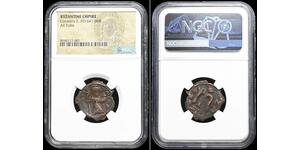
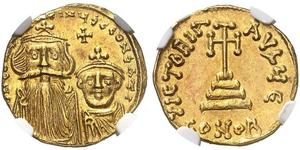
![641,BYZANTINE EMPIRE. Constans II, 641-668, with Constantinus IV. Solidus c. 654-659, Constantinople. d N CONSTANTINЧS C CO[NSTATI] Crowned and draped bust of Constans II facing, with long beard ...](https://st.hobbyray.com/fs/300_150/6aIbmpJTJtUAAAFr48Mhf1IB.jpg)