

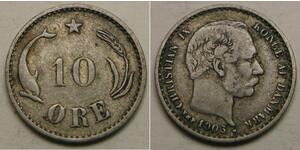
| Christian IX of Denmark (1818-1906) | Link to Wikipedia |
Christian IX of Denmark (1818–1906): History and Coinage
Awarded the title "father-in-law of Europe," Christian IX stands as one of the most influential figures in nineteenth-century monarchy, serving a reign that transformed Danish history from constitutional crisis to national unity. Born at Gottorf Castle on April 8, he ascended to the throne following his cousin Frederick VII's death during a period defined by political unrest and war defeat. His tenure was not merely about succession but survival; navigating the aftermath of the Second Schleswig War required him to rebuild public trust after years of unpopularity caused by military loss.
Historical biographers note how his personal integrity became essential for restoring Danish sovereignty in a region destabilized by Prussian hegemony. As he navigated disputes between parliament and crown, Christian IX managed to shift the political tide from discord toward stability over three decades. This long reign allowed him to witness modern Europe's transformation into constitutional monarchies where kings were expected not just as rulers but as unifying symbols for a populace seeking normalcy after conflict.
Relationship to Coinage
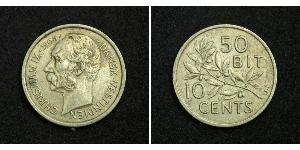
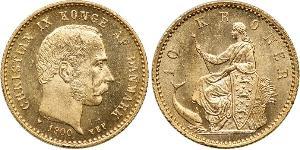
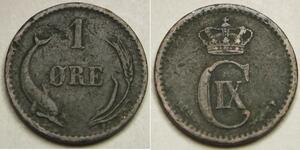
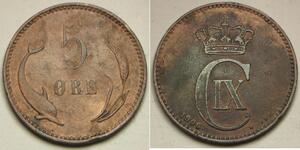
The relationship between Christian IX and numismatics is defined by the standard silver kroner circulating throughout his lifetime. Portraits of King Christian appeared on currency during an era where royal effigy was central to state identity before inflation or republicanism changed norms across Europe.
- Coinage began under him shortly after 1863 when Denmark sought to solidify its status independent from German influence.
- The portrait evolved over time, reflecting the transition from military-focused designs of his early reign into more domestic representations later in life.
- Circulating coins serve as tangible proof that he held absolute authority within legislative constraints imposed by 1849 constitutional reforms.
Why Collectors Value These Coins
Collectors cherish these items because they document a period when monarchs were still integral to economic identity. Well-preserved examples from his early reign feature distinctive portrait styles that differ markedly from minimalist designs preferred after World War I.
- Educational value outweighs market price, as pieces illustrate how stability was visually communicated on metal.
- High-grade specimens carry premium importance due to their connection with Danish independence history during the latter half of the nineteenth century.


