| Charles II (1630-1685) | Link to Wikipedia |
Charles II of England (1630–1685): History and Coinage
King Charles II played a decisive role in stabilizing British governance after the Civil War and Commonwealth era ended with his restoration in 1660. Born during the turmoil following his father's execution, he navigated nine years of exile across Europe before returning to London on public acclaim as monarch of Scotland and later England, Ireland. His reign marked a return to monarchical tradition while navigating complex religious factions within Parliament that often clashed over church governance policies like the Clarendon Code or attempts at Catholic conversion involving his brother James.
Relationship to Coinage
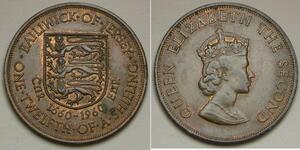
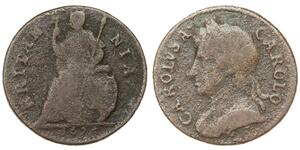
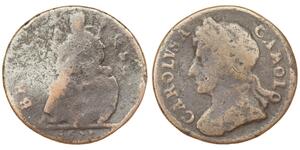
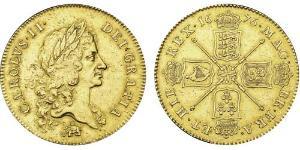
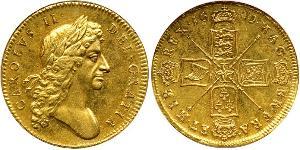
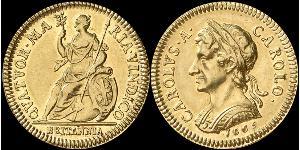
Numerous political entities issued currency during and after this era, but distinct coinage depicting Charles II circulated primarily following 1649 when Scotland formally proclaimed him king before the English Parliament established a republic. Minting authority transitioned from Royalist exchequer control under his brother James to state mints operating in London and Edinburgh once parliamentary invitation allowed return of monarchy. Coin design featured his portrait or arms representing restored legitimacy where earlier republican imagery was replaced by traditional royal symbols including crowns and crests that communicated divine right over the three kingdoms even before complete administrative union existed between them.
Why Collectors Value These Coins
Nominate enthusiasts prize these pieces for their historical significance illustrating how political power survived civil unrest to reestablish economic regulation systems within monarchy courts. The artistic quality varies based on mint standards during the Restoration period and reflects patronage under a court gaining reputation for arts sponsorship though some periods faced scarcity due to wars or confiscation policies affecting availability across denominations produced by local workshops before dissolution of English Parliament in 1685 allowed him to rule alone until death later. Each coin offers access to understanding supply chain disruption caused by conflicts and transitions from republican plainness back to ornate heraldic designs that survived turmoil.
Exploring these artifacts allows collectors to better understand how currency circulated throughout all three lands without fully unifying mints earlier in his life versus later reigns. The association with major historical events like the Restoration or Exclusion Crisis adds depth for specialized collections focused on modern numismatics rather than ancient periods, emphasizing their importance as tangible history.