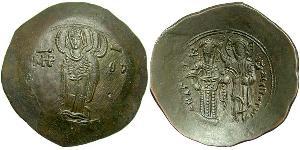
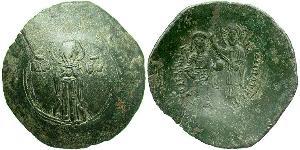
| Andronicus I Comnenus(1118-1185) | Link to Wikipedia |
Andronikos I Komnenos (c. 1118 – 1185): History and Coinage
In the turbulent annals of Byzantine history, few figures loom as large or disturbingly complex as Andronikos I Komnenos. The last emperor to bear his name before the rise of new dynasties after the fourth crusade ended in 1204, he ruled from Constantinople during a pivotal period preceding major geopolitical collapse.
The Man and His Times
Born around 1120 as part of the imperial Komnenos family, Andronikos was raised alongside Manuel I, his cousin and predecessor. He endured six years on exile following a failed conspiracy against John II before returning to court with forgiveness from Manuel.
Crowned in September 1183, he initially presented himself as the guardian of young Alexios II but quickly assumed power through regicide after eliminating political rivals such as Maria of Antioch. Andronikos is known historically for his reforms that targeted powerful aristocrats to aid common citizens, despite causing civil instability and revolts among Constantinople's elite.
Coinage in Context
Nature of Coinage:
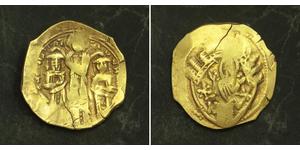
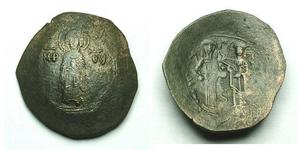
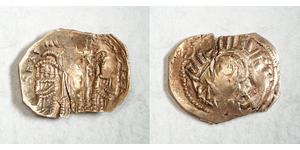
- During his short reign as sole ruler (1183–1185), coins were minted specifically to reflect the emergency state and shifting imperial authority.
- The portrait on these issues serves primarily historical significance rather than purely artistic legacy compared to earlier rulers like John II or Manuel I Komnenos before them during stable reigns decades long ago previously known for their detailed craftsmanship seen now in museum archives across Europe today globally.
Rarity Factors:
- The capture of Thessaloniki by William II of Sicily forced Andronikos into exile, abruptly halting coin production and making surviving specimens from his reign highly scarce for any collection focused on pre-Crusader era history.
Coin Collecting Significance
The rarity combined with historical context makes these rare metal fragments sought after by experts studying late medieval economic collapse. For collectors seeking items connecting to the fall of a powerful lineage before major crusades occurred fully, finding surviving trachons or nomismae from this era provides tangible artifacts linking modern observers directly back through centuries to when political instability was physically recorded on currency available for study today.