| Anastasius I (430-518) | Link to Wikipedia |
Anastasius I (c. 430 – 9 July 518): History and Coinage
The Emperor of Stability
Anastasius I, often distinguished by the nickname Dicorus—a title derived from his unique physical trait of possessing eyes of differing colors—was a pivotal figure in Late Antiquity. His reign as Eastern Roman emperor marked a profound transition period where fiscal depression was replaced by robust economic management. As an ascensionist chosen by Zeno’s widow Ariadne, Anastasius brought administrative reforms that fundamentally reshaped the governance of Byzantium. Unlike many predecessors who faced immediate military crises upon ascending his throne, he prioritized financial solvency and bureaucratic efficiency. This era is often remembered for a remarkable period where the treasury accumulated substantial gold reserves, allowing subsequent rulers to pursue ambitious expansion without collapsing into bankruptcy.Relationship to Coinage
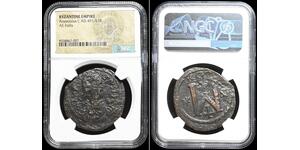
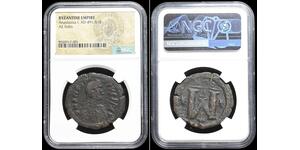
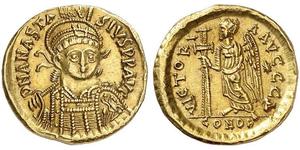
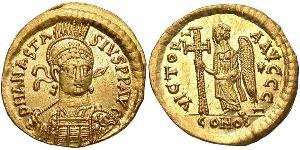
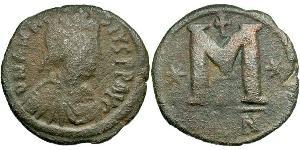
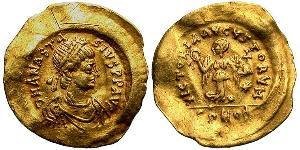
The coinage of Anastasius I primarily consists of the famous Solidus, or Gold Solidi minted in Constantinople and other imperial mints such as Thessalonica. While gold currency had circulated for centuries, his issues became iconic because they stabilized the value standard during a time when previous emperors struggled to maintain adequate supplies.
Coinage depicting Anastasius was issued primarily during his lifetime from 491 until his death in 518, though high-quality issues continued circulating long after. The portrait on these coins serves as propaganda for economic competence; unlike rulers associated with debased bronze or silver coinages, the Solidus under Anastasius signaled a commitment to sound monetary policy. His reforms reduced heavy levies that had burdened the populace, encouraging trade and ensuring gold flowed through commerce rather than being hoarded solely by officials.
Why Collectors Value These Coins
The appeal of collecting coins featuring Emperor Anastasius lies in their tangible connection to one of history's last great golden ages. For numismatists, these pieces represent the transition between late antiquity and the medieval Islamic Golden Age.
- Economic Milestone: The gold standard minted during his reign is studied as a benchmark for fiscal policy in the ancient world.
- Clean Condition History: Because of their durability and continued use, many specimens survive without significant wear, offering high-grade examples that are prized by collectors seeking preserved history from Constantinople.
- Narrative Value: These coins encapsulate the legacy of a long-serving emperor whose reign set up conditions for Justinian I’s conquests. Possessing such coinage is akin to holding proof of imperial stability before religious and military chaos escalated later in the sixth century.
Educators often recommend studying these issues alongside those from his successors to observe how political instability can influence monetary quality over time. For enthusiasts exploring Byzantine history, Anastasius offers a rare window into an emperor who was valued for his administrative acumen rather than martial prowess alone.