| Aleksey Mikhailovich Romanov (1629 - 1676) | Link to Wikipedia |
Alexei Mikhailovich (1629–1676): History and Coinage
Alexei Mikhailovich, also known as Alexis, served as the second Tsar of Russia from 1645 until his death in 1676. Born into the House of Romanov during a period of consolidation after the Time of Troubles, he navigated significant internal and external challenges to establish absolute autocracy. His reign was defined by legislative milestones like the Sobornoye Ulozheniye of 1649, which codified laws on his own authority and solidified relations with the nobility. Internally, he faced severe unrest including the Salt Riot in Moscow and the Stenka Razin Cossack revolt in southern Russia. Externally, Alexis oversaw territorial expansions through conflicts with Poland-Lithuania securing regions like Smolensk and Kiev, as well as wars against Sweden and Iran. His leadership marked a critical transition where Russian borders spanned nearly 8.1 million square kilometers at his death.
The Numismatic Context
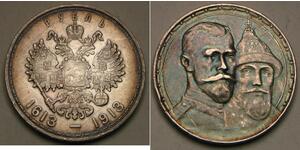
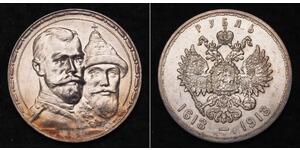
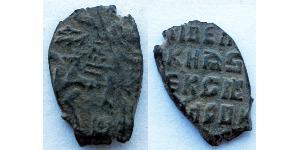
Frequently found in the collections of historical specialists are copper coins minted during Alexis's rule, which provide tangible evidence of economic shifts under Romanov governance. Unlike later periods where monarchs appear prominently on silver roubles introduced by Peter I, early currency from this era often utilized base metal to accommodate trade needs and government revenue requirements.
Currency Policy During the Reign
Alexis authorized a massive increase in copper coin production starting in 1654. This numismatic strategy aimed at increasing state liquidity but ultimately contributed to currency devaluation known as monetary inflation among scholars of Russian history. The introduction of debased copper rubles is directly linked to the Copper Riot of 1662, where Moscow residents revolted against economic instability. For collectors, these coins represent a tangible connection between high-level fiscal policy and popular discontent.
The scarcity of portrait-based silver coinage from this specific period often makes existing pieces highly desirable among advanced numismatists who study the transition toward modern Russian state minting practices. Understanding why coins depicting or issued under his authority are valuable requires recognizing that they document a unique epoch where Russia was building its centralized monetary system.
Nature of Historical Value
- Economic Significance: Each copper coin from 1645-1676 offers proof of the economic turmoil associated with early state-building and wartime expenses.
- Rarity Factors: Genuine examples from this period are often rare in high grade, making them significant acquisitions for specialized world history collections.
- Historical Record: These items help enthusiasts visualize how taxation reforms impacted daily life before modern banking systems existed.
Educational exploration of these pieces allows collectors to engage with the material reality of Alexis's struggles against poverty and rebellion. By studying coins from this era, one gains a deeper appreciation for the complex monetary challenges faced by early autocrats attempting to stabilize vast empires through trade control and currency reform.