

| Abd al-Hafid of Morocco (1875 - 1937) | Link to Wikipedia |
Abd al-Hafid of Morocco (c. 1875–1937): Life and Coinage
Sultan Abd al-Hafid ibn al-Hasan stands as a pivotal figure in North African history, bridging the era of independent Moroccan sovereignty with the beginning of French colonial rule. Born to Sultan Moulay Hassan I around 1875 or 1880 and raised within Fez's intellectual circles studying under Ma al-Aynayn, he ascended to power following a dramatic coup in February 1908 against his brother Abdelaziz.
His reign defined the final days of Morocco before its formal protectorate status. While initially popular for restoring independence from previous concessions, Abd al-Hafid's political trajectory shifted under pressure from European powers demanding financial compliance and territorial control. Despite seeking diplomatic support from Germany, Italy, and especially the Ottoman Empire to maintain his pan-Islamist credibility against French dominance, he ultimately signed treaties granting France de facto authority by 1912. His complex balancing act of appeasing foreign creditors while protecting domestic tribal loyalties makes him a crucial subject for historical study.
Relationship to Coinage
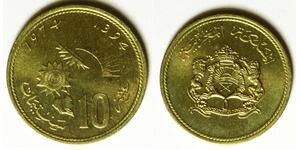
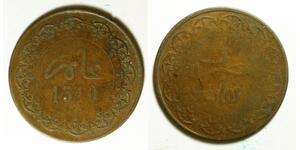
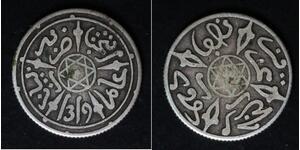
Coin collectors encounter Abd al-Hafid on currency issues minted prior to the implementation of full French economic control. During his sultanate, Morocco issued its own coins before the Protectorate administration introduced uniform European-backed currencies like the Franc and Centime.
- The Political Entity: The Kingdom/Regency of Morocco itself was responsible for striking these denominations under Alaouite sovereignty during his lifetime. After 1908, he appeared on currency that asserted the Sultan's legitimacy against rival claimants supported by Europeans.
- Timing and Context: These pieces were struck before or immediately after his ascension in February 1908 but largely ceased as French mandates took hold following the Protectorate agreements of 1912. Collectors often seek these transitional issues to understand the shift from Islamic coinage traditions to colonial standards.
- The Portrait: These early coins feature his title and name, serving as state propaganda that confirmed the continuity of rule despite internal civil strife or foreign interference before France fully assumed sovereignty in 1912.
Why Collectors Value These Coins
The historical significance derived from a monarch navigating intense international diplomacy makes these issues highly desirable. The scarcity often stems from low production runs intended for domestic circulation or diplomatic gifts before modern industrial minting took over the region in 1913.
- Rarity and Historical Context: Each coin represents a moment where Morocco maintained its identity on paper despite military realities, making them artifacts of sovereignty rather than just currency.
- Tangible Diplomacy: The imagery connects collectors directly to the tension between European powers like Britain and France vying for influence in Moroccan courts. This offers narrative depth beyond standard imperial issues.
- Narrative Value: For specialized collections focusing on early protectorate history, these items provide a physical link to Abd al-Hafid's difficult tenure as he attempted to preserve Arab dignity amidst financial desperation and foreign demands.
In summary, while less common than major European colonial issues of the same era, Moroccan currency under this Sultan offers unique insight into the region's transition from independence to colonization. Collectors who seek these items contribute significantly to preserving the memory of a monarch who played an enduring role in North Africa's political evolution.


