| View |
| preceded by | |
|
|||||||||
 Tristan da Cunha
|
|||||||||

| succeeded by |
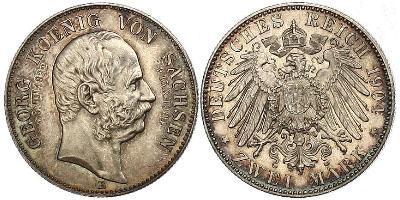
| Tristan da Cunha | Link to Wikipedia |
Tristan da Cunha: History, Coinage and Collectibles
Welcome to an exploration of the world’s most remote sovereign territory, Tristan da Cunha. As a curator for this collection, we often find ourselves examining artifacts that represent not just economic function but the resilience of human endeavor against vast distances and natural isolation. This island outpost in the South Atlantic offers a unique numismatic narrative driven by necessity rather than abundance.
Historical Background
The story of Tristan da Cunha begins long before modern maps marked its location. Settled initially by whalers seeking shelter from storms around 1808, it remained an obscure outpost in the eyes of history until government interest grew for strategic purposes during wartime. The primary economic drivers were always isolation and survival rather than commerce with major world powers.
The island was governed under a Crown Colony framework established by British administration long before local governance took its modern form. Trade routes connected Tristan to St Helena, Cape Town in South Africa, and occasionally Brazil via the whaling fleets. It is this maritime dependence that shaped everything from daily life to monetary policy. For decades, residents relied on imported goods delivered strictly according to shipping manifests.
The island faced significant communication challenges for nearly two centuries due to its geography, which dictated how trade could be conducted without traditional banking networks. This reality made standard currency essential but difficult to source physically in volume. While the political status shifted over time, maintaining British ties was never broken, influencing everything from administrative stamps to financial systems used by the few who ever reached these shores.
The narrative of Tristan da Cunha is not merely one of a colonial possession, but an island community that survived extreme conditions while navigating complex international relations. During World War II and its immediate aftermath, strategic importance grew significantly as the island became vital for intelligence operations and monitoring naval movements in the South Atlantic Ocean. These events solidified administrative control by London without altering the local population's daily struggle with isolation.
Currency and Coinage History
The evolution of money on Tristan da Cunha is defined more by exclusion than innovation. In its early decades, no coin production occurred locally because there was neither an economy to support it nor a mint facility accessible at such distances from London or Cape Town.
Much like other remote territories that were once parts of the British Empire, circulation relied on imported coins. Initially, St Helena currency circulated alongside standard sterling issues sent over by government order via passing merchant vessels carrying mail and provisions. By 1859, specific legal tender arrangements began shifting toward a reliance on South African monetary systems due to proximity.
Dominating the early economy were British Crown pieces of high denomination or low denominations suitable for small purchases like salt, tobacco, or tools imported from Durban or Cape Town. The lack of local mints meant that coins accumulated over time became rare artifacts rather than common trading instruments within the community itself.
The transition toward decimalization in the latter half of the 1960s marked a significant shift when residents aligned their economy with international standards, adopting modern currencies issued by South African or United Kingdom authorities. However, this did not mean a lack of numismatic history; it meant that any coinage bearing Tristan da Cunha's name became an official collector item rather than circulating money.
Mints and Coin Production
To understand the scarcity associated with these pieces, one must consider the logistics of minting. At no point in recorded numismatic history was there a physical production facility located on Tristan da Cunha proper for general trade coins or standard circulation issues during its early centuries.
The islanders remained dependent on imported coinage from other colonies that produced silver and copper tokens, such as St Helena or South Africa’s various mints. When the need arose to issue specific denominations locally in later years, requests were often processed through London-based authorities rather than establishing a remote workshop of its own.
This reliance explains why high-grade pieces are extremely rare today compared to colonies like Australia or New Zealand which operated their own presses continuously for decades. Any production occurred during authorized collector periods where small batches were struck using limited dies, then carefully shipped via air freight from major hubs in London or Johannesburg to the island administration.
The artistic quality of these pieces often reflects standard Commonwealth design conventions rather than unique local iconography, save for occasional use of religious crosses and maritime imagery relevant to survival on a volcanic island. The craftsmanship represents official oversight by distant authorities ensuring consistency with global standards while respecting geographical limits imposed upon trade logistics.
Notable Coins
The collection history here focuses primarily on standard British colonial pieces used in local circulation before modernization began altering monetary systems significantly after 1975. Among these, the older half pennies and crowns hold particular interest because they were minted decades earlier yet carried specific island overprints or usage contexts.
A notable artifact involves any coin bearing official government endorsement issued during wartime shortages or special administrative periods in Cape Town which was circulated by Tristan residents to facilitate trade with visiting ships. These pieces often bear subtle variations related to the year of importation rather than mint marks found on other Commonwealth territories.
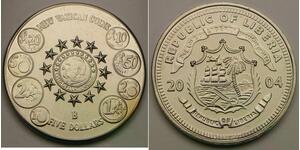
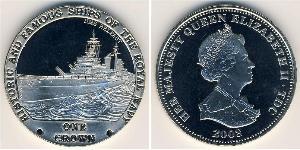
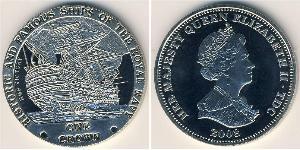
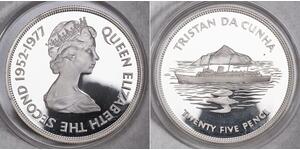
Another significant category consists of commemorative issues authorized decades later for historical preservation purposes, striking small runs specifically designed for numismatists worldwide. While not issued in mass quantities like standard circulating money at earlier times, these pieces serve as official records of sovereignty and heritage that connect modern viewers to the isolationist reality.
The value collectors assign to these items derives from condition rarity rather than scarcity during circulation. Many coins were worn down by heavy usage on ships or stored away in private collections because they represented a tangible link to one's remote home territory while abroad in London or New York.
Cultural Legacy
The coinage of Tristan da Cunha reflects the deep ties between islanders and their governing nation. While stamps often feature local landscapes, coins maintained standard Commonwealth imagery such as crowned shields and cross symbols representing Protestant heritage which dominated religious life in that society for much of its history.
These artifacts serve as educational tools regarding isolationism rather than economic might. They tell the story of communities who managed complex logistics without modern telecommunications or high-speed transport networks connecting them to continental economies until late stages of development.
The enduring symbol on currency was often a cross representing faith and resilience, echoing daily life where weather conditions frequently disrupted normal shipping schedules for months at a time. This reliance on divine protection alongside official British administration is subtly preserved in the designs of rare pieces found today within global auction houses.
For collectors
Tistan da Cunha coinage remains an important niche interest because rarity drives value more aggressively than face value might suggest to some market sectors. Collectors are advised that any piece bearing this name or issued under local authority requires careful verification against catalog listings which emphasize dates and provenance rather than simple visual inspection.
The historical significance lies in its representation of survival against isolation, making high-grade examples desirable artifacts for those who value numismatic narratives over mere aesthetics. Whether hunting for early imported Crown pieces used during whaling trade eras or later commemorative strikes from the 1960s and beyond, these items connect hobbyists to a unique chapter in British imperial history that prioritizes endurance.
As we move forward into future collecting seasons, it is essential to appreciate how historical context informs modern value. Tristan da Cunha remains one of the most remote inhabited places on Earth, and each coin offers a physical link between continents separated by vast oceans. For those who seek more than mere paper money investments, these pieces stand as testaments to the extraordinary nature of human settlement in such hostile environments.