| View |
| preceded by | |
|
|||||||
 South Georgia and the South Sandwich Islands
|
|||||||
| succeeded by |
| South Georgia and the South Sandwich Islands | Link to Wikipedia |
South Georgia: History, Coinage and Collectibles
Welcome to the remote archipelago of South Georgia and the South Sandwich Islands. As a curator presenting this region within our numismatic museum, we invite you to explore how geography shaped economics in one of the world's most inaccessible territories.
Historical Background
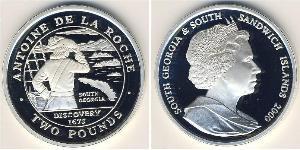
The narrative begins before coins were cast here by local hands. First sighted and visited in 1675 by Anthony de la Roché and later charted during Captain James Cook’s historic voyages, this region represents the frontier of human exploration for centuries long after others had mapped global continents. The island economy was not driven by agriculture or dense settlement but rather by maritime commerce.
In the late 18th century through to the mid-20th century, South Georgia became a beacon and base station primarily due to its rich seal populations and later whale stocks. Whaling operations established permanent stations at locations such as Grytviken in King Edward Point and Stromness Bay along the north coast of South Georgia. This industrial boom transformed an otherwise inhospitable environment into a bustling hub for international maritime trade during specific seasons.
The isolation inherent to this region dictated its economic lifeblood. Ships arriving from London, Montevideo, or even distant ports carried goods and currency that could not be replaced easily by local production. The whaling industry utilized barter systems alongside circulating cash, relying heavily on the monetary stability of European powers to fuel operations across the Antarctic circle. This history sets a distinct stage for understanding how money moved through these waters before becoming an organized British Overseas Territory in 1985.
Currency and Coinage History
The numismatic story here is often one of association rather than local issuance, which adds unique provenance to the collector's experience. Unlike major metropolitan centers or neighboring dependencies like Falkland Islands that issued their own currency early in history, South Georgia relied on British Sterling for its formal transactions.
Much trade before modern banking systems functioned through private notes and merchant credit orders used by whalers who spent long months at sea. When the era of industrial administration arrived after the 1960s, the territory utilized currencies issued from London or administered via Falkland Islands currency during its time as a dependency.
A significant shift occurred following World War II when British Antarctic Survey activities expanded. However, true numismatic activity regarding coins struck locally is historically absent in this region; instead, collectors find pieces minted elsewhere that circulated here due to the administrative connection of South Georgia with Britain and later Falkland Islands issues which were legally accepted there during specific periods.
This relationship between a distant sovereign state and its isolated dependency created a unique numismatic environment. The absence of aggressive local mintage means surviving coins are often those brought in by visiting expedition teams, cruise liners since the 1980s, or military personnel stationed at King Edward Point base after World War II operations.
Mints and Coin Production
In discussing production centers for this territory, we must look to the Royal Mint facilities within the United Kingdom rather than any site located on South Georgia itself. The harsh environment of the southern Atlantic—characterized by high winds, salt corrosion, and freezing temperatures—is unforgiving even to metal objects left unattended.
Prominent mints that produced coins relevant to collectors in this region included those operating under British Colonial authorities before 1985 separation. Coins minted during the early whaling era were often circulated from London with silver content suitable for industrial trade standards of the day.
Minting traditions here reflect a colonial administrative history where quality control was maintained by metropolitan standards rather than local craftsmanship due to the lack of artisans and equipment on site in those decades. For collectors, this means that coins found representing this region were not struck locally but represent British currency circulated within the Antarctic sector's radius.
The artistic characteristics visible on these pieces often carry subtle motifs related to exploration or nature—such as whales depicted on circulating banknotes during certain eras which facilitated trade with whaling fleets. These designs serve as historical documents themselves, illustrating economic priorities when a single industry dominated an entire island chain for centuries.
Notable Coins
When identifying key items of interest in this collection area, we turn to pieces associated with the broader British Imperial history rather than local mintage. One category worth noting relates to expedition medals or tokens issued during Shackleton’s era and similar Antarctic exploration efforts where coins were carried into extreme isolation.
- The 19th Century Whaling Station Tokens: These represent private scrippings used at stations like Grytviken to pay laborers in the whaling industry before British administration was formalized. They are rare because of their short utility and subsequent melting down or loss.
Coin types issued during World War I era that circulated among Royal Navy garrisons stationed on King Edward Point hold significance for military history enthusiasts. These pieces often feature naval insignia relevant to the protection interests in South Atlantic waters against German raiders of the period mentioned in historical records regarding Cumberland Bay and Stromness Bay.
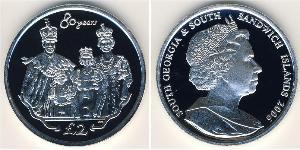
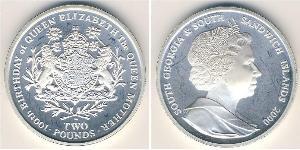
- The Post-1985 Sterling Issues: Following 1985 separation from Falkland Islands Dependencies, circulating money relied on standard British notes. While commemorative coins have occasionally appeared via special issues referencing Antarctic themes by associated territories like the Falklands that feature imagery of South Georgia.
These collectibles provide a window into the transition period when this region moved between being governed as part of Falkland Islands Dependencies to becoming its own separate Overseas Territory. The scarcity and historical context are what drive collector interest, rather than market value driven by standard monetary supply or local mintage figures.
Cultural Legacy
The coinage connected with this territory is an artifact of the region’s identity as a British heritage in remote southern waters. The symbols used on currency often reflect natural beauty and scientific importance rather than political conquest, reflecting values held by early explorers who established bases for research stations such as those operated later by the British Antarctic Survey.
Culture shaped monetary policy through necessity; without an agricultural base or industrial output other than whaling until recently, local coinage was unnecessary. This simplicity is preserved in how history remembers this place—as a hub of science and exploration rather than commerce driven by currency exchange volume seen elsewhere around the world. Today, modern visitors arriving on cruise liners often carry memories associated with seeing these landscapes but leave behind coins that are not spent there.
For collectors
This territory remains important to those seeking pieces related to Antarctic exploration and British colonial history rather than standard monetary investment vehicles. The value of collecting items linked here lies in the stories preserved on metal: tales of Shackleton’s rescue, whaling operations at King Edward Point, or naval presence during global conflicts.
Careful examination reveals that condition is paramount given how harsh winds and salt air affected any object left outside. While many coins circulated there were eventually lost to time or recovered in poor states due to storms along the coast of South Georgia proper. We recommend focusing on themes regarding exploration history, whaling industry records depicted through currency art from associated dependencies.
In summary, while distinct local minting was minimal by design and geography, the numismatic legacy remains robust for collectors interested in British colonial administration, naval history, or Antarctic exploration narratives found across wider Imperial issues. We invite you to appreciate these pieces not just as metal with face value but as physical links to a chapter of human endurance at one of Earth's southernmost points.