| View |
| preceded by | |
|
|||||||||
 Saint Helena (1981 - )
|
|||||||||

| succeeded by |
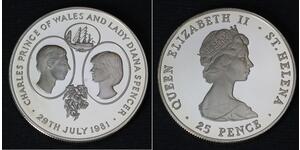
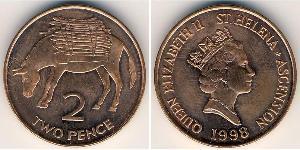
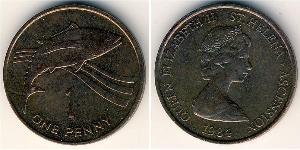
| Saint Helena (1981 - ) | Link to Wikipedia |
Saint Helena: History, Coinage and Collectibles
Historical Background
Nestled within the South Atlantic Ocean lies one of history’s most distant outposts to civilization in its colonial era. This isolated territory was first charted by Portuguese navigators long before it became a British possession, eventually coming under Crown control after 1502 and evolving into an administrative dependency critical for global maritime trade routes.
The significance of the island grew exponentially as naval technology advanced during the eighteenth century. Situated roughly halfway between South America and Africa at its peak strategic utility to commerce in shipping vessels traveling along sea lanes connecting Europe, India, Cape Town. It served not merely as a way station for weary sailors but acted as an economic hub where fresh provisions were traded against hard currency from distant mints.
The geopolitical landscape shifted dramatically during the Napoleonic Wars, most notably serving as the place of final exile to Emperor Napoleon Bonaparte following his defeat at Waterloo. His imprisonment ended in 1821 with a life defined by seclusion on this rocky soil rather than political governance within modern international frameworks.
Culturally and economically, the island remained deeply tied to British imperial expansion well into the twentieth century while maintaining unique local traditions. This period saw an evolution from simple provisioning posts toward complex economic interactions where the demand for currency fluctuated based upon naval needs rather than internal industrial output. The history is one of remote administration adapting global monetary standards for a very isolated market.
Currency and Coinage History
The story of money on this territory reflects its isolation from other financial centers in the world. In earlier centuries, British mints produced high-value silver denominations like sovereigns that circulated locally as these were preferred over lower denomination local coinage which was frequently scarce.
As the economy shifted during the nineteenth century to support commercial traffic and administrative needs, specific colonial issues began appearing from London Mints. Unlike other colonies where coins might be minted by private presses or distinct regional agencies within a colony itself this territory relied heavily on orders placed at the Royal Mint in South Africa due to distance.
The coinage system evolved through various periods of change including standardisation against inflation and shifting trade needs with passing ships. The shift from British Imperial denominations toward locally specific coins occurred primarily during the early twentieth century as administrative control solidified local economic independence within its colonial structure.
Mints and Coin Production
The physical production of coinage for this region presents a unique challenge in history compared to other colonies. For most of the period when British Crown Colonies were established, Saint Helena had no operational minting infrastructure located physically upon these shores due to logistical constraints.
All circulation pieces during early colonial eras bore legends and dates originating from London or occasionally Cape Town where they struck coins bearing specific denominations for local use rather than general circulation elsewhere. The technology used followed standard British practices with dies created in England before shipping across the ocean, ensuring that design consistency remained high regardless of remote location.
The artistic characteristics distinguished these pieces through their adherence to royal standards including heraldic imagery and portraits of reigning monarchs from George III onward until independence discussions began towards mid-twentieth century. The mints responsible were essentially extensions of London with specific commissions authorized for local use ensuring that the currency was legally tender within administrative boundaries.
Notable Coins
Certain denominations stand out as significant historical artifacts due to their connection with the unique history and geographical isolation. Among these, silver halfcrowns issued in the late 1903 period carry particular interest for collectors focusing on colonial specificities where designs were altered specifically to reflect local identity rather than standard Crown imagery.
The circulation of gold sovereigns was another hallmark of this territory during high demand periods when trade with passing vessels required higher denomination currency. These pieces often bore dates reflecting the reign of British monarchs but carried legends indicating their use within these specific boundaries, making them distinct from general royal issues found in domestic archives.
The shift to local minting practices under later colonial administrations brought copper denominations designed specifically for trade purposes where standard foreign coinage was less effective. These pieces carry historical context relating to economic self-sufficiency efforts while maintaining design continuity with the Empire that governed them during this formative period in global numismatic history.
Cultural Legacy
The evolution of currency on Saint Helena mirrors broader themes regarding cultural identity and sovereignty among isolated communities. While strictly a dependency for most purposes, local coinage often bore imagery reflecting nature or specific historical figures like the Emperor who once resided there as exile.
Rulers depicted on coins during different eras changed with each new British monarch but remained constant symbols of colonial administration over time until mid twentieth century independence movements began shaping modern status. The art and design preserved from these periods serve educational purposes regarding how global powers managed remote territories through monetary instruments rather than just political decrees.
The economy reflected a unique blend where the island served both local residents as well as passing naval fleets who relied upon purchasing provisions for their supply runs along Atlantic routes during specific trade eras before aviation made surface travel obsolete. This economic interaction left an enduring mark on coinage history that collectors today appreciate not merely as metal and design but windows into how these remote islands functioned economically.
For collectors
Saint Helena remains a vital segment of numismatic collections due to its unique status within the broader British colonial portfolio. The scarcity of circulation pieces from this specific location often drives demand among serious hobbyists seeking rare items not found in standard domestic coin sets across other regions.
The historical significance lies primarily in their connection with naval history and trade logistics during an era before modern shipping routes could reach inland ports directly. Collectors value these coins for the story they tell about isolation and adaptation rather than solely market rarity, making them essential additions to series focusing on British colonies or specific geographic areas within Africa.
Beyond raw metal content which often devalues over time due to inflation in modern markets what truly drives their interest is condition preservation. Pieces that have been stored carefully offer a chance for future generations to understand how global powers once managed distant territories using simple coinage as administrative tools and symbols of presence on the world stage.