| preceded by | |
|
|||||||
 Principality of Anhalt (1212 - 1806)
|
|||||||

| succeeded by | ||||
|


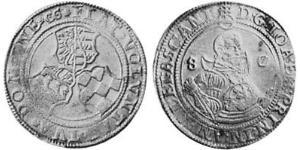
| Principality of Anhalt (1212 - 1806) | Link to Wikipedia |
Anhalt: History, Coinage and Collectibles
Historical Background
The Principality of Anhalt occupies a distinctive chapter within the rich tapestry of German history. Situated in the heart of Central Germany, this state was defined by its strategic position at the intersection of major trade routes connecting Nuremberg to Leipzig and Dresden to Berlin. Throughout centuries of shifting political alliances and dynastic struggles within the Holy Roman Empire and later the United Kingdom of Saxony-Anhalt, Anhalt maintained a unique identity despite its small size. The region functioned as a cultural crucible where Enlightenment thinkers and artists flourished alongside traditional commerce.
Anciently inhabited by Westphalian tribes before being absorbed into various Saxon dominions, the territory remained fragmented for much of medieval history until it was consolidated under specific branches of the Ascanian dynasty. This fragmentation is crucial to understanding its coinage evolution. The principalities were often divided among ruling brothers, leading to distinct political entities that operated alongside larger neighbors like Prussia and Saxony. Despite military neutrality which frequently characterized smaller Thuringian states in their later centuries during major European conflicts, Anhalt remained an economic hub due to fertile agricultural land and robust textile manufacturing sectors.
The culture of the region was deeply intertwined with its broader German heritage yet retained specific local flavor through patronage of education and fine arts. The capital city became a gathering point for intellectuals, fostering a society that valued precision and tradition—qualities often reflected in their monetary standards. While larger empires sought to standardize currencies across borders during periods like the Zollverein customs union, Anhalt preserved much autonomy over its internal financial systems until final dissolution following World War I.
Currency and Coinage History
The journey of money in this region mirrors the broader economic struggles faced by German principalities prior to national unification. Early circulation relied heavily on silver thalers brought from mining centers further west, which were then debased or minted locally as they flowed through Anhaltian markets. The state struggled with maintaining a stable value against fluctuating international trade prices and inflationary pressures common in the 19th century.
Monetary reform became inevitable during periods of industrialization when paper money began to emerge alongside traditional metallic coinage. A pivotal moment occurred during the adoption of the Prussian monetary standards which eventually forced Anhalt into using Marks that bore its own legend before full merger with Saxony-Anhalt later in the century.
Prior to the final dissolution, coins served as a vital tool for taxation and trade duties between neighboring states. The smallness meant they were rarely milled or stamped en masse like larger powers but rather produced in precise batches requiring high craftsmanship. This scarcity of minting runs added significant historical weight to surviving specimens from earlier eras where local silver content was strictly regulated.
Mints and Coin Production
Coin production centers were often shared or leased among neighboring sovereigns due to the economic necessity, yet artistic style remained a marker of identity. The most prominent facility operated in Köthen which served not only as an administrative seat but also housed one of the first specialized die-cutting workshops for local circulation.
Minting traditions here emphasized clarity and detail despite technological limitations that often plagued smaller regional mints during the Napoleonic wars era or before industrial standardization. Artists employed to design coin faces were frequently court engravers who transferred their artistic style from medals, portraits, and engravings directly onto metal disks meant for daily circulation.
Technological shifts played a major role in the evolution of these items as well. Early production utilized hand-striking methods that often resulted in irregular shapes or weak images on one side only until hammering techniques improved mid-century. Later workshops adopted roller striking processes which allowed mass reproduction though quality control remained paramount to prevent forgery and inflation.
Notable Coins
Certain denominations stand out due to their connection with significant historical moments or high artistic merit within the catalog of German numismatics.
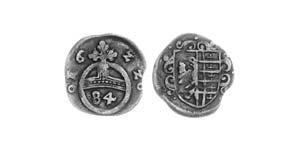
- Silver Thaler Pieces from Early Periods: These coins often bear simple legends and prominent coats of arms featuring towers associated with regional castles. They represent a time when local sovereignty was still visible in metal form, serving as proof of loyalty to specific ruling lines rather than national identity.
- Gold Florins: Used during late 19th-century imperial periods where the small principality needed high-value currency for international trade. These feature intricate heraldic shields and are highly sought after by collectors interested in gold strikes from minor states of Germany.
- Copper Halfpence: Essential for local farmers and markets, these pieces display the practical reality that small denominations were necessary for purchasing bread or cloth within village boundaries. Collectors often prize their wear patterns as indicators of how deeply they penetrated daily life.
Cultural Legacy
The coinage reflects a deep commitment to preserving cultural identity through symbols and artistic expression on metal surfaces. Religious iconography mixed with dynastic eagles created complex visual narratives that told the story of faith alongside loyalty to statehood. The transition from religious imagery to more secular national motifs parallels broader societal changes happening across Central Europe.
Every design element, from lettering style to portrait choice for sovereigns or regent figures, reveals much about the era in which they were struck. Even when standardization was imposed by larger powers, local branches often found creative ways to maintain their visual signature on coins before eventual political unification erased these small details.
For Collectors
Anhalt offers a fascinating window into pre-unified German monetary systems that provide context for understanding why modern Germany looks the way it does. Silver remains popular due to preservation of historic silver content and rarity in high grades compared to common copper pieces or later paper notes.
The significance lies not merely in value but in narrative. Each specimen connects the collector to a lineage of rulers, trade routes, political shifts that defined modern Europe, and artistic endeavors unique to small states seeking independence through metal workmanship rather than army strength.