| View |
| preceded by | |
| New Guinea |
| succeeded by |
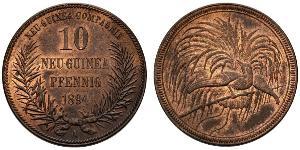
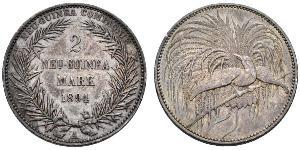
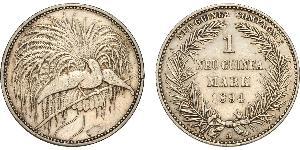
| New Guinea | Link to Wikipedia |
New Guinea: History, Coinage and Collectibles
Welcome to the collection of New Guinea. As museum curators guide visitors through vast galleries of human history, our shelves in this department tell a different kind of story—one written not just in stone or text, but in metal that has weathered tropical storms for centuries. The island of New Guinea is often discussed as two distinct political entities: the eastern half belonging to Papua New Guinea and the western provinces forming part of Indonesia. However, for the numismatist standing at a window looking out onto this Melanesian paradise, it represents a unique convergence of history where the colonial ambitions of Europe met the rich indigenous cultures of Oceania.
This article explores that distinct heritage in New Guinea’s coinage, offering context to help you appreciate these treasures as historical artifacts. We will travel through time and space, examining how money evolved on this massive island world second only in size perhaps to Greenland, but with a biological history far richer than any other.
Historical Background
To understand the coins that were eventually struck here or circulated across it, one must first walk the path of its discovery. The earliest European contacts brought names like "Nieuw Guinea" and "Schouten Island," referencing a likeness to West Africa's coast rather than this specific locale initially. However, the Spanish explorer Ortiz de Retez coined the name New Guinea in 1545 after observing cultural similarities between these islanders and Africans from Guinea.
The island is geographically distinct; it lies north of Australia on the Sahul shelf but was politically a patchwork long before modern borders were drawn. While indigenous trade existed through barter networks connecting tribes across vast distances—from the Bird's Head Peninsula to the Papuan Tail—coins entered this world slowly.
The history here is defined by colonial administration rather than native minting operations initially. Western New Guinea (now Indonesian provinces) came under Dutch rule, integrating it into the massive economic sphere of the Dutch East Indies. Meanwhile, Eastern New Guinea saw German and later Australian-British interests take root. This division created a dual monetary system that eventually merged in the minds of collectors today.
The cultural backdrop also played a vital role; despite being part of Oceania biologically due to its location on Sahul alongside Australia's Top End, New Guinea retained distinct Austronesian and Papuan influences. It was not until modern statehood that these disparate economies were unified or fully integrated into the global coinage standard.
Currency and Coinage History
In any new territory where money enters a culture through external contact, early coins are often tokens of empire rather than local commerce. In New Guinea's case, we see two primary eras dominate our numismatic timeline: the colonial administration period under Dutch rule in the West and British/Australian influence in the East.
In Western New Guinea (Papua), coinage was a byproduct of Indonesian economic policy following its struggle for independence. Before modern political shifts, coins struck at distant mints like Batavia (now Jakarta) or Amsterdam found their way into circulation across the entire island during trade expeditions.
For Eastern New Guinea and Papua New Guinea proper, coinage followed Australian currency standards prior to 1975. Following independence in that mid-century timeframe, new coins bearing local imagery began production. This transition marks a crucial point for collectors: the shift from imperial faces (kings of England or Dukes) to indigenous art depicting birds-of-paradise and Mount Wilhelm.
The value here is not merely intrinsic gold or silver content—rarely seen—but historical rarity. Early copper pieces, often used as token currency in colonial expeditions, represent the bridge between a trade-based economy (shells, tobacco, timber) and standardized government money.
Mints and Coin Production
The geography of New Guinea influenced where its coins were struck rather than locally. Because there was little local infrastructure for complex minting operations during colonial times in the highlands or lowlands itself—often described as vast areas of wilderness, rainforest, and savanna—the production centers remained abroad.
This means much coinage from this region actually bears the marks of mints outside New Guinea entirely. For Dutch West Papua (then Irian Jaya/Irian Barat), coins were struck at Batavia or Amsterdam before independence. In contrast, East Papua circulated Australian pennies and cents manufactured in Perth until independent issuance.
The artistic characteristics distinguish these issues significantly. While earlier colonial periods bore generic imperial designs common across British Empire colonies—such as the effigies of monarchs—the later PNG coinage reflects a distinct national identity that collectors prize. We often see the use of native art styles, depicting wildlife and local landscapes rather than European military imagery.
Notable Coins
To build a collection focused on this region, you must understand which issues tell the most important story. While specific cataloging is outside our scope here, we can discuss historically significant types that often appear at auction or in private cabinets:
- Dutch East Indies Copper Issues (West Papua):
- Australian Cents (East Papua):
- Papua New Guinea Independence Series:
Prior to the 20th century and continuing into early independence times for Indonesia's Western region, copper pieces struck locally were circulated among traders. These coins often feature simple designs of crowns or national symbols in a utilitarian context.
Before PNG gained sovereignty, Australian pennies and cents were legal tender across the entire eastern island region. For collectors today, high-grade examples of these coins are rare because they circulated widely throughout tropical commerce where heavy circulation wear was inevitable due to lack of banking systems.
The transition in 1975 is a prime historical marker. Coins issued immediately after independence, such as the Kina and Toea denominations bearing indigenous imagery (often birds-of-paradise or highland motifs), are of significant interest to those studying decolonization through currency.
Dutch East Indies Nickel/Silver:
The colonial history is often best represented by later silver issues from Batavia. These coins, minted for general Indonesian circulation but valid throughout the archipelago including Western New Guinea (Papua/Irian), provide a historical link between West Java and this island continent.
Cultural Legacy
The coinage of New Guinea serves as more than currency; it is an archive of identity. Before independence, coins were largely tools of commerce managed by colonial administrations without significant local cultural input in their designs—often featuring European heads or generic maps. However, following modern statehood for Papua New Guinea and the Indonesian transition, we see artistry return to these small discs.
The "Bird's Head" peninsula name often inspired early artistic motifs found on currency notes during independence periods (which are collectible alongside coins). The high biodiversity mentioned in regional geography—such as unique birds of paradise—is now permanently etched into the nation's face. This shift from generic colonial designs to local wildlife and landscapes tells a story of reclaiming ownership over one’s own history.
For Collectors
If you are considering acquiring coins representing this vast island, there is much value in their historical context rather than just market price. Because New Guinea was split between two major colonial powers (the Dutch and British/Australians) before modern unification or Indonesian administration reforms of the provinces occurred later, your collection might contain both types depending on which political history you pursue.
Tropical Preservation:
A word for any collector standing by a desk with glass cases: The environment here is humid. Tropical humidity can degrade paper and affect certain alloys if stored improperly. Many high-grade coins from this region are rare not because they were never minted in quantity, but because surviving pristine examples have been lost to the harsh conditions of their homeland.
Rarity:
Focusing on pre-independence issues for PNG and Dutch East Indies (for West Papua) offers a unique window into Oceania's economy. Collectors should also note that early currency was often notes, but small copper tokens are highly prized when found in high quality.
Conclusion:
Whether you seek the earliest "Nieuw Guinea" references or modern independence coins showing a rising spirit (a play on words used during Indonesian naming discussions historically), this region remains fascinating. New Guinea stands as a bridge between Australia and Asia in terms of geography, but its monetary history mirrors that divide until unification eras.