| View |
 Montserrat (1632 - )
| Montserrat (1632 - ) | Link to Wikipedia |
Montserrat: History, Coinage and Collectibles
Welcome to a curated exploration of Montserrat, an Emerald Isle nestled within the West Indies chain. For historians, numismatists, and connoisseurs alike, this British Overseas Territory presents a unique chapter in Caribbean economic development. While many collectors focus on sovereign gold and silver mintages from larger nations, the study of Montserrat offers a compelling narrative regarding trade dependencies, colonial evolution, and regional currency unions.
Historical Background
The genesis of Montserrat dates back to 1493 when Christopher Columbus designated it Santa María de Montserrate during his second voyage. The name itself references the Monastery near Barcelona in Catalonia, Spain. This early encounter set the stage for a complex history involving indigenous Carib populations and subsequent European powers who sought trade routes through the Atlantic.
Economically, the island became significant due to its agricultural potential following settlement by Irishmen in 1632 under Sir Thomas Warner. The initial focus was sugar cultivation, establishing deep economic ties with British ports like Liverpool. These connections were vital for the monetary system of the region; trade required standardised coinage that facilitated commerce across imperial lines.
A pivotal moment occurred during the late eighteenth and early nineteenth centuries. Following American Revolutionary War conflicts involving French forces in 1782, control was restored to Great Britain under the Treaty of Paris in 1783. Throughout the following decades, political status fluctuated between colonial administration within British Leeward Islands provinces before eventually aligning with federal arrangements.
The abolition of slavery in 1834 fundamentally altered local demographics and economics, transitioning from forced plantation labor to a system employing paid workers as advocated by philanthropist Joseph Sturge. This shift improved the human rights environment but also necessitated economic diversification into lime production later in the century. Cultural heritage remained deeply tied to Irish ancestry among inhabitants of Georgian-era settlements on the coast.
The volcanic nature of Montserrat has always defined its geography and settlement patterns, destroying colonial centers like Plymouth yet fostering resilience that is often reflected in historical artifacts found across its archives.
Currency and Coinage History
In early economic contexts within British colonies throughout the Caribbean, monetary systems relied heavily on Imperial currency. Montserrat did not possess a domestic mint during most of its colonial existence; consequently, circulating coinage consisted entirely of coins issued by the Royal Mint or regional mints in Canada.
Silver denominations such as shillings and pence were standard legal tender for daily market transactions until decimalization reforms occurred across the British Empire. This transition marked a significant change in collecting history, shifting values from fractional silver to base metal tokens based on fixed monetary units like pounds or cents tied to global standards.
The introduction of local paper money often accompanied these coinages. Banks began issuing notes backed by imperial reserves before regional unions took hold. By the 1970s and into modern times, Montserrat aligned with broader Caribbean financial structures within the Eastern Caribbean Currency Union. This alignment meant that circulating cash for locals involved standard denominations shared across neighboring territories.
The transition represented both stability through currency pegging to stronger economic blocs while offering distinct opportunities for regional commemorative issues designed specifically by or on behalf of Montserratian authorities, celebrating local landmarks without creating competing exchange rates within the island nation's economy.
Mints and Coin Production
The absence of a dedicated physical mint facility in Montserrat throughout most of its history meant that production took place at external locations under contract. This arrangement is common for smaller Caribbean territories where demand for local metal coinage was insufficient to justify maintaining domestic infrastructure.
Coin designs often utilized established artistic motifs provided by the British Crown or regional central banking authorities. When Montserrat participated in joint numismatic projects, such as Commonwealth sets issued alongside other Eastern Caribbean nations, they selected subjects that highlighted natural beauty rather than political power structures found on sovereign coinages elsewhere.
Modern production has likely shifted to facilities contracted through Eastern Caribbean Central Bank operations or authorized partners outside the region. Artistic characteristics now reflect national symbols and historical heritage figures relevant to residents such as William Henry Bramble, though strictly for commemorative proof issues rather than circulation purposes.
Notable Coins
- Silver Shillings Found in Colonial Caches: Among collectors of colonial currency are the occasional finds of silver British shillings that circulated on Montserrat between early nineteenth century dates. These pieces hold numismatic value not for specific inscriptions unique to the island but rather because they have been provenanced from Caribbean trade routes connecting Liverpool with Antigua, Saint Kitts, and surrounding dependencies.
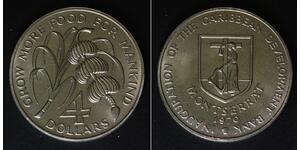
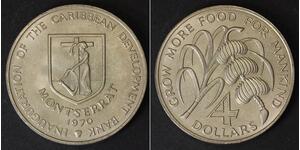
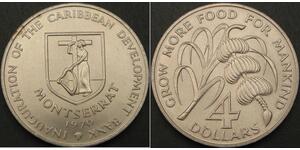
- Eastern Caribbean Dollar Series Commemoratives: Modern collectors focus on special releases that feature Montserratian landscapes or agricultural exports such as key lime juice. These pieces serve as official records of the island's economic identity within a broader currency union framework where individual territories do not maintain separate monetary policy.
- The Irish Heritage Theme Issue: Occasional mintings have celebrated historical events tied to St Patrick's Day festivities established in 1985, recognizing early settlers from Ireland. While often part of regional series rather than sole Montserrat issues, these coins bridge the gap between personal ancestry and public art design found on circulating denominations.
Cultural Legacy
The coinage associated with this island territory functions as a medium that encapsulates broader cultural shifts. For example, designs reflecting Irish heritage underscore historical migration patterns while acknowledging the contributions of settlers to early agricultural development and political stability in Caribbean governance.
Natural features are also integral; symbols representing volcanic resilience appear on modern banknotes alongside images of coastal landscapes. These elements remind residents that economic life adapts continuously to environmental challenges, a narrative often conveyed through commemorative metal tokens intended for educational rather than purely investment markets.
For collectors
The numismatic interest in Montserrat lies primarily in its historical documentation value and regional affiliation with established monetary unions. For the investor or serious student of Caribbean history, these items serve as tangible links to centuries of trade between Britain and North America during colonial expansion.
Why it remains important
The significance of this territory's currency extends beyond mere metal content. It represents a piece of living heritage that documents the transition from plantation economy models toward modern diversified exports like agricultural products processed for international markets.
- Rarity Factors: Early circulation examples found on local markets are scarce due to high wear conditions typical in trade-heavy colonial eras, making condition preservation paramount when evaluating specimens.
Sellers should note that items bearing clear Montserrat legends or specific commemorative dates often command attention at auctions focused on Commonwealth territories. While modern issues remain available through regional distributors, pieces from the late nineteenth century connecting directly to Joseph Sturge's era commercial trade represent significant historical milestones for collectors of Caribbean numismatic material.