| View |
| preceded by | |
|
||||||||
| Italian city-states | ||||||||
|
||||||||

| succeeded by |
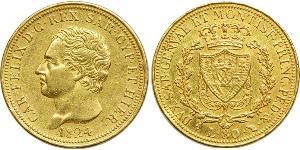
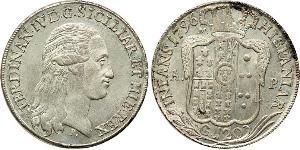
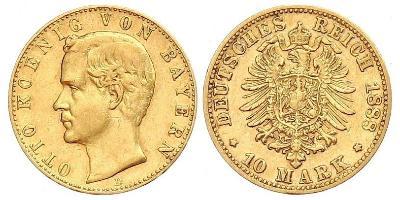
| Italian city-states | Link to Wikipedia |
Italian City-States: History, Coinage and Collectibles
Welcome patrons and collectors alike to our digital gallery dedicated to the fascinating monetary heritage of Italy's independent city-states. From antiquity through the Renaissance, these autonomous powers shaped not only the political map of Europe but also its economic and cultural destiny. Today, we explore how their unique social structure fostered a golden age of commerce that left an enduring legacy in metal.
Historical Background
The landscape of medieval Italy offered something quite extraordinary to history: a collection of independent city-states rather than a unified nation or feudal monarchy. Following the fall of Rome and centuries later as trade routes re-established themselves, settlements such as Florence, Venice, Milan, and Genoa grew into autonomous powers during the 11th century.
In contrast to the vast kingdoms dominating Europe's north, these Italian communes developed under unique pressure from terrain and economy. The rugged mountains of Italy served as a barrier against imperial control, but they also created isolated valleys that encouraged local independence. By the medieval period, many cities had broken away entirely from feudal overlords like bishops or kings, creating entities driven by self-rule.
This drive for autonomy was fueled overwhelmingly by trade and commerce. The Italian peninsula sat at the crossroads of Europe and Asia, allowing merchants to funnel silk, spices, and goods between continents into their hands. This position transformed Italy from a purely agricultural society into an economic engine that tripled per capita income between the 11th and 15th centuries.
Culture flourished alongside economics as cities like Florence became centers of art and learning during what we now call the Renaissance. The wealth generated by banking institutions, particularly in northern Italy, funded cathedrals and masterpieces that still stand today. This cultural vibrancy was not merely artistic; it created a society deeply literate among its merchant class who required sophisticated systems to manage their affairs.
Currency and Coinage History
As trade expanded, so too did the need for reliable currency. Before Italian independence matured, coin production in Italy was often tied directly to feudal obligations or Roman traditions. However, once cities gained autonomy during the 12th century, they began issuing their own coins and establishing independent mints.
The first major period of monetary innovation occurred when these communes minted money for internal commerce as well as international exchange. The silver pennies were standard across Europe, but Italy sought to create denominations that could handle larger transactions between cities without needing constant physical transport of coinage from a central state treasury.
Mint masters in places like Florence and Bologna took great pride in producing coins for their patrons—the signors—who commissioned them. During the 13th century, these early independent mints began to produce gold florins that would eventually become one of history's most stable currencies. The stability provided by these coinages made Italian money a preferred medium across Europe.
However, this era was not without challenges. As banking evolved and international trade routes shifted due to discoveries in the Atlantic Ocean later on, Italy began losing its monopoly over Mediterranean commerce. Yet even as economic power moved westward toward Spain or northward toward Germany during the 16th century, these cities maintained a reputation for producing coins of exceptional quality.
Mints and Coin Production
The concept of the centralized national mint was foreign to this region until much later. Instead, each city-state operated its own workshops often located within the walls but close enough to commercial activity that coin production could be observed by citizens who trusted their rulers.
This openness had numismatic significance because it encouraged artistic excellence and transparency in weight standards. Gold florins minted in Florence maintained strict weights for centuries, proving that a city's integrity was tied directly to the face value of its currency. This consistency allowed foreign merchants to trade with confidence even when political borders were fluid.
Different cities utilized distinct designs based on local guilds or patrons who oversaw production. Venice and Genoa used imagery related to their maritime traditions, while inland powers like Siena focused on religious iconography suited for pilgrims passing through the region as part of the crusade movement against Muslim forces in Sicily.
Coinage technology also advanced alongside commerce. Italian artisans introduced new engraving methods that allowed for finer details and clearer legends—inscriptions identifying mints, dates using regnal years or civic counts rather than absolute calendar time.
Notable Coins
- The Florentine Florin:
- The Venetian Ducats (Zecchini):
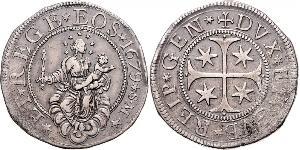
- The Genoese Crossed Coins:
Historical context: Issued during the reign of Giovanni delle Caselle in 1252. It was designed to serve as a standard unit for international trade throughout Europe.
Design features: The obverse displays Christ enthroned between two standing figures, while the reverse shows Saint John the Baptist holding a scroll with an inscription referencing God's glory and Florence's freedom from external rulership.
Importance to collectors: It represents one of history’s earliest instances of gold currency maintained at constant weight for nearly three centuries. Its consistency makes it highly sought after by scholars who study monetary standards across regions and time periods.
Historical context: These coins were minted under the Republic of Venice throughout its long history until foreign domination occurred during late 18th century events. It functioned as a primary means for international trade and travel.
Design features: The obverse shows Saint Mark standing on a lion, holding keys symbolizing his authority over doge’s court or council; the reverse depicts Christ in Majesty flanked by angels representing heaven and earth's dominion under rule of divine law ordained above all earthly powers.
Historical context: Produced when Genoa competed against Florence as Mediterranean banking hub during later centuries before decline set in. These coins often bore designs influenced by Crusaders or local maritime guilds which sought to assert their independence through visual symbolism rather than mere royal portraits.
Cultural Legacy
The coinage of Italian city-states serves as a mirror reflecting the culture that produced it. We find images derived from classical antiquity because scholars in cities like Florence valued Greek and Roman traditions above all others. Patrons hired sculptors who understood how to blend pagan motifs with Christian ones—for example using laurel wreaths associated with victory while still honoring saints.
Rulers used coinage as a tool for propaganda without needing expensive public displays or printed pamphlets which only became available after printing press spread westward during 16th century decades. A simple portrait of the doge on silver pieces was sufficient to remind merchants that their city enjoyed sovereign control even when other kingdoms relied solely on heraldry.
The high level of literacy allowed these designs to carry complex legends and dates which informed citizens about current political events or historical anniversaries marking victories in wars against external threats. This educational function elevated coinage beyond mere objects for exchange—they were also tools for preserving collective memory.
For collectors
The numismatic world retains deep respect for Italian city-state coins because they offer a glimpse into how commerce shaped politics during formative periods of modern history. Collectors today find these pieces invaluable not merely for rarity but as historical documents that preserve visual evidence from an age before standardized paper currency dominated markets.
Museums worldwide showcase examples drawn specifically from Florence or Venice collections, highlighting artistry alongside economics because both aspects worked together seamlessly then and remain relevant now. These objects remind us how innovation thrived when local autonomy encouraged experimentation in fields ranging from banking to architecture—or even metallurgy required for casting copper coins.