| View |
 Iraq (1932 - )
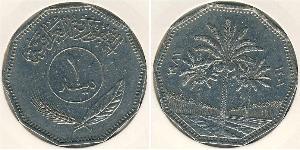
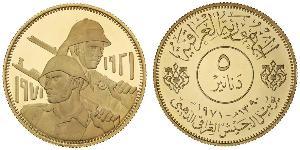
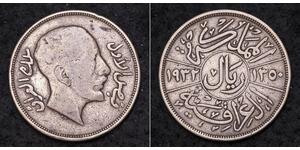
| Iraq (1932 - ) | Link to Wikipedia |
Republic of Iraq: History, Coinage and Collectibles
Welcome to an exploration of one of humanity’s oldest economic landscapes. The land known today as the Republic of Iraq possesses a numismatic depth that rivals its rich cultural heritage. Often referred to by antiquities lovers as the cradle of civilization, this region was not merely a theater for ancient empires but their primary financial engine long before modern banking concepts existed.
In our journey through the metal and clay tokens found in Iraq's subsoil, we uncover layers that speak directly to merchants from distant lands. Today’s coin collectors are presented with an opportunity to study how wealth moved across a world defined by trade routes stretching into Europe and Asia. Through these artifacts, you can observe not just the currency of kings and caliphs, but the very lifeblood of society during epochs where money was synonymous with power.
Historical Background
The narrative begins in antiquity within Sumeria, a region that emerged around 6000 BC. Before metals were cast into form, economic exchange relied on tokens stamped to represent barley and livestock found near the Tigris and Euphrates rivers. This early period represents humanity's first steps toward accounting systems.
A significant turning point in history arrived with the conquest by Cyrus the Great of Persia around 539 BCE. Under this imperial umbrella, Mesopotamia became a core region that maintained local institutions while integrating into broader trade networks spanning from Egypt to India. Following Alexander the Great and his successors, Seleucia was established on the Tigris river, creating an urban center with immense commercial importance.
The history of coinage in this area cannot be separated from its geography or empire builders. As a hub connecting East and West, Iraq saw itself ruled by successive dynasties that minted currency to assert dominance and facilitate commerce within the region known historically as Babylonia before shifting identities later on.
Currency and Coinage History
The evolution of money here was dramatic. As Persian rule expanded into Asia Minor, they introduced their Achaemenid coin standards—silver drachms—that circulated throughout Mesopotamia due to its immense population density and urbanization. Later dynasties in Seleucid territory continued this trend by introducing new denominations.
The Roman Era:
A period of high stability occurred under the Parthians who ruled much of the land, known then as Mesopotamia. They produced distinctive coins that were widely accepted for trade and taxation purposes throughout their empire's eastern provinces.
In 1258 CE Baghdad was destroyed by Mongols after which centuries passed with changes in local dynasties before British administration took hold following World War I. The Hashemite monarchy established an endonymic name "Iraq" during the transition to modernity, though these later coins carry less historical weight compared to ancient artifacts.
Mints and Coin Production
Production in this region was diverse but consistent with imperial standards of trade. Under Seleucids coinage production centered at Babylon itself—known for its religious temples where offerings were minted into bullion—and later Ktesiphon (Fars). The Abbasid Caliphs established mints that made Baghdad the hub.
The artistry reflects the sophistication of their times. Early silver was often stamped by simple punches, while gold pieces featured fine craftsmanship depicting kings or divine attributes such as crescents and stars representing religious influence on state power in later Islamic periods where inscriptions replaced iconography for piety.
In ancient Assyria clay bullion tablets were used to denote transactions before metal coins became standardized. These early forms provide a unique insight into how economies shifted from barter systems toward minted currency.
Notable Coins
- Selucid Ichthys Coins (167 BCE - 45 CE):
- Sassanian Gold Dinars:
- The Abbasid Dinar of Baghdad:
Ancient Mesopotamian coins featuring fish symbols or horsemen that were used for taxation purposes and trade in the region. Collectors appreciate these because they are well-preserved examples of early imperial administration where rulers placed their names on silver standards.
The Sassanians ruled large portions of territory near Ktesiphon before Muslim conquest. Their coins were widely circulated throughout the area. These heavy gold dinars carry inscriptions and portraits reflecting artistic traditions from earlier Sasanian art schools that have been preserved in museum collections.
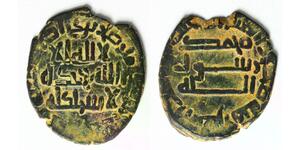
Famous for its inscription "In the name of God" (Bismillah), these were minted at the capital city during the Golden Age. They represent a shift from human images to purely religious motifs reflecting the era's piety.
Cultural Legacy
The coinage serves as an iconographic record of cultural shifts in Iraq through history—from Sumerian gods like Enlil and Inanna depicted on early seals, to Persian satraps portrayed riding horses with elaborate costumes.
In the ancient Near East these designs were often linked directly to local deities worshipped throughout Mesopotamia. Coins from later periods reflect changing religious landscapes where symbols of light or stars replaced human portraits as rulers sought spiritual alignment rather than divine kingship for legitimacy.
For collectors
The historical significance extends beyond monetary value; these pieces offer insight into how ancient civilizations conducted business, communicated authority and expressed their identity. They are valuable not just to rare coin enthusiasts but anyone who appreciates the story of a land that once housed humanity's first cities.