Gibraltar (1704 - )
Welcome to an exploration of one of history's most strategically significant enclaves on Earth. As we embark upon this journey through time, consider Gibraltar not merely as a rocky fortress dominating the Strait but as a pivotal economic crossroads connecting Europe with Africa. To understand the story told in the coins and banknotes that circulated here is to trace the broader narrative of empires rising and falling across the Mediterranean.
Historical Background
The narrative begins deep within prehistory, where evidence suggests Neanderthal habitation dating back fifty thousand years. Gorham's Cave tells a story of human resilience that long predates written currency systems. As civilization advanced, Phoenician traders arrived around 950 BC to utilize the narrow passage connecting two oceans as their lifeline. They recognized Gibraltar not just as land but as a threshold where commerce was born.
The landscape is dominated by the Rock itself. This geological prominence became one of the Pillars of Hercules in ancient mythology, symbolizing wealth and protection for navigating mariners from Phoenician roots to Roman times. The territory shifted hands through centuries of warfare involving Castile, Spain, Britain, North African powers like the Almohads who built permanent watchtowers around 1160.
Economic necessity often dictates monetary evolution. For centuries before British control was established in 1713 by the Treaty of Utrecht, Gibraltar operated under various monarchies and trade alliances where foreign currency reigned supreme. The port became a massive processing hub for seaborne trade passing through it—half the world's goods flowed this way during pivotal moments like World War II. This volume of commerce created a demand for distinct financial instruments that could facilitate rapid exchange between British ships, Spanish ports, and North African markets.
Currency and Coinage History
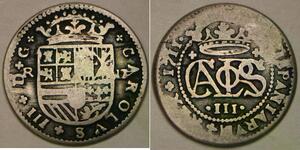
The evolution of money in this territory mirrors its geopolitical status. During the Moorish rule under the Almohads and Nasrids around 13th century Spain influenced coin types were common throughout the region including silver dinars that circulated locally. Following Spanish administration in later centuries, Spanish doubloons often found their way into local commerce.
When control was ceded to Great Britain after capturing forces took command during the War of the Spanish Succession, the financial identity aligned with Imperial standards for a long period. British Sterling coins and notes formed the backbone of daily transactions in the 19th century as it served within the wider Crown Colony framework.
As industrialization changed trade dynamics globally, local authorities eventually sought greater autonomy over their monetary systems to reflect regional economic independence rather than relying solely on imported coinage from London. The introduction of a distinct Gibraltar Pound marked a shift toward financial self-sufficiency tailored for tourism and international finance services that now define the modern economy.
Mints and Coin Production
This territory is small, measuring only 6.8 square kilometers. Consequently, large-scale minting operations never developed locally during earlier colonial eras in favor of relying on central production centers for Sterling issues. The mintage traditions relied heavily on the British Royal Mint's ability to dispatch specific denominations or special commemorative sets based upon request.
The shift occurred later as local economic confidence grew and tourism boomed, particularly following Brexit-related adjustments which allowed new trade pathways with Europe again in 2026. Modern coin production utilizes high-precision technologies capable of striking intricate designs representing local fauna like the Barbary macaque or famous architecture including the historic castle itself.
Artistic characteristics distinguish these issues from other Commonwealth territories; they often incorporate bilingual legends combining English and Spanish inscriptions on the obverse, reflecting Gibraltarian cultural identity while maintaining alignment with modern British numismatic design standards. The production of banknotes became particularly significant as local banking institutions issued specific notes featuring scenic views of the Bay which collectors prize for their artistic merit.
Notable Coins
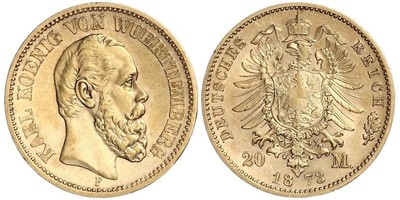
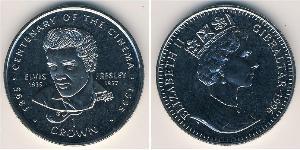
For historians and enthusiasts alike, several types stand out due to historical context or rarity rather than speculative market values. One category is the early 19th-century Sterling issues where royal effigies appear on British crowns circulating within the colony.
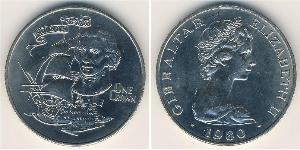
In more recent periods, commemorative gold bullion pieces released for national celebrations have captured attention among investors and museum curators alike. Designs often feature the iconic Rock of Gibraltar alongside modern financial motifs representing online gambling which now constitutes a major revenue source alongside tourism services in private sector employment sectors where significant labor comes from Spain.
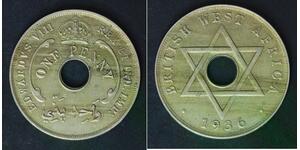
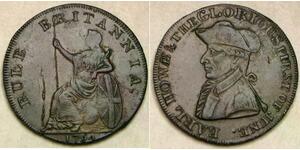
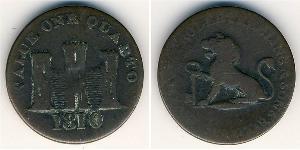
Numerous fractional coins exist that reflect everyday commerce history prior to full local issuance autonomy, serving as tangible artifacts linking ordinary citizens during transition periods between different monetary systems. The 1950s and 60 saw extensive usage of British currency designs adapted for the colony which provide a unique bridge between colonial rule and modern economic independence in numismatic records.
Cultural Legacy
The physical manifestation of wealth carried through coins reflects broader cultural values. The bilingual nature evident on some denominations speaks directly to Gibraltarian identity—where Spanish is widely spoken alongside a unique local dialect known as Llanito derived from interactions across borders and ports.
Coin designs chosen over time have moved away from purely British iconography toward showcasing elements of the surrounding Mediterranean environment. The Barbary macaque, for instance, appears frequently on later releases representing wildlife heritage preserved at Gorham's Cave or near where humans lived in caves fifty thousand years ago during Neanderthal presence.
For collectors
Gibraltar offers a unique window into the intersection of maritime trade and currency evolution. Its compact size suggests potential scarcity within specific series that are often overlooked by casual buyers focusing on major nations. The historical continuity from Moorish times through British administration provides a rich educational resource for understanding how money serves state power yet adapts to local culture.
Museum displays in Gibraltar often feature both ancient artifacts from Gorham's Cave alongside modern banknotes, suggesting that the value of this location has always been measured by its ability to hold wealth. For those seeking numismatic knowledge beyond standard catalog listings found elsewhere online or within printed guides these coins offer a tangible connection to centuries of history spanning thousands of years.