
| View |
| preceded by | |
| Galápagos Islands |
| succeeded by |
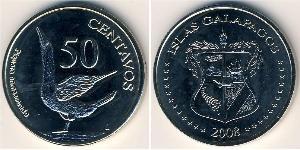
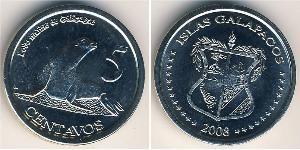
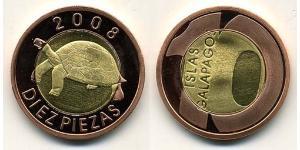
| Galápagos Islands | Link to Wikipedia |
Galápagos Islands: History, Coinage and Collectibles
Welcome to a unique journey through time and metal, exploring one of the most distinct regions in our Pacific Ocean collection. As we examine this archipelago through a numismatic lens, we step away from typical sovereign state narratives to look at how economic activity was driven by isolation, exploration, and ecological preservation.
Historical Background
The story of the Galápagos Islands begins in mist and water. Discovered initially during voyages related to Spanish colonial expansion in the early seventeenth century, these remote islands quickly became a focal point for whaling captains, seal hunters, and penal exiles from Ecuador.
Historically, trade was not driven by local production but rather by commerce with South American neighbors like Peru and Chile. The economy relied heavily on guano extraction during the nineteenth and early twentieth centuries; this resource wealth attracted international interest in monetary exchange standards that varied across the region. During periods of penal colony administration, money flowed to pay for food supplies shipped from Guayaquil or Manta. This economic flow established a numismatic culture rooted not in minting metal locally, but in circulating hard currency from distant mainland authorities.
Cultural isolation played a massive role here. The islands served as laboratories and prisons before their transformation into nature reserves under the modern UNESCO World Heritage program. Consequently, coins found on Galapagos beaches are almost always artifacts of broader Spanish American trade rather than local fiscal policy issued by this specific region. Yet, for the collector, these monetary objects tell a story of isolationist survival where foreign currency became functional in daily life.
Currency and Coinage History
The evolution of money on Galápagos mirrors wider developments in Spanish America before gaining independence from Spain around 1809. Initially, silver reales circulated widely across the region due to their acceptance by whaling crews and plantation owners who operated out of these ports.
As South American nations struggled to define national currencies following independence movements throughout the early nineteenth century, Galápagos remained a dependency where monetary stability was dependent on mainland political shifts. When Ecuador unified with other southern states briefly in 1830s, this affected how denominations were named and stamped.
In modern times, as an integral part of the nation's ecological portfolio rather than its sovereign currency zone itself, these islands have become featured prominently in special commemorative coin programs. This era began with Ecuadorian authorities recognizing that their unique natural heritage could be celebrated through tangible metal collectibles distributed by the central bank to international investors.
Mints and Coin Production
Unlike traditional European or Asian monetary histories, there was no local mint established within this archipelago. Historically, coins entering circulation were struck in Lima, Mexico City (before its independence), or later Quito, Guayaquil, Santo Domingo de los Tsachilas.
The absence of a local production facility distinguishes the coinage history here; collectors look for specific mint marks on Ecuadorian silver issues rather than distinct Galapagos initials that never existed. However, artistic traditions in these distant waters influenced how designs were perceived locally versus mainland productions. The mints responsible for issuing the modern commemorative series often used advanced proof striking techniques to ensure durability against saltwater corrosion—a practical necessity given the coastal lifestyle.
Techologically, early silver trade dollars circulated here relied on hand-hammering methods initially before machine minting became standard in Quito around 1850s. Modern issues utilize high-relief sculpturing intended for collectors rather than circulation needs. This shift from utility to collectibility marks a key transition point where numismatic interest outpaced practical monetary demand.
Notable Coins
- The Spanish Colonial Trade Dollar (Real Plate):
- Historical Context:
- Importance to collectors:
- The Modern UNESCO Commemorative Issues:
- Historical Context:
- Importance to collectors:
- Silver 20 Centavo Denominations:
- Historical Context:
- Importance to collectors:
Sixteenth-century silver dollars were the primary means of transaction during whaling expeditions. They served as a portable currency for trading whale oil and dried seal products with mainland vessels.
Standard Spanish colonial designs featuring the Virgin Mary or coats of arms, often worn by ocean currents to different shores. They were valued for their intrinsic silver content rather than official face value.
Rare finds from shipwrecks off these coasts represent valuable provenances. While not struck in Galapagos, the circulation of this coin here marks its role as a tool for Pacific Rim trade.
Prioritizing conservation, modern Ecuadorian mints issued silver coins to mark the islands' status as a protected heritage site. These issues were often released for international conferences or biodiversity summits.
Silver strikes feature high-relief imagery of Galápagos tortoises, marine iguanas, and penguins. The designs are often proof-struck to ensure crispness for display purposes.
The most valuable issue is the limited mintage run intended for conservation fundraising. They serve as a bridge between numismatics and environmental history, appealing specifically to those who collect "issue sets" from sovereign nations with global ecological impact.
Promoting the nation's southern coast, these smaller silver pieces featured coastal life motifs used for general circulation that eventually became collectible in high grades.
The reverse typically depicts fauna relevant to marine or island biodiversity. These coins were popular among tourists visiting the main port of Puerto Villamil during early trade periods before they became purely collectors' items.
This denomination is significant because it represents the first step toward standardized currency usage among whaling crews, marking a transition from barter to formal economic systems.
Cultural Legacy
The coinage of this region reflects a broader cultural identity tied to preservation rather than conquest. Unlike coins minted during war periods or imperial campaigns found in mainland history, the artifacts here often focus on peace and natural beauty. The imagery selected for commemorative issues highlights how local culture prioritizes environmental stewardship over traditional state symbols.
This emphasis appears when looking at designs that include scientific illustrations of endemic species alongside historical dates relating to conservation treaties signed decades later. Even early circulating currency used in the region displayed motifs from nearby mainland provinces which shared similar coastal economies, illustrating a cultural unity despite geographic isolation and distance.
For Collectors
The Galapagos Islands offer collectors an opportunity to own pieces that bridge history with ecology rather than war or empire. These items hold significant value not because of scarcity alone but for their provenance from one of the world's most unique environments in numismatic records.
For those interested in regional Pacific collections, focusing on silver commemorative issues and historical finds recovered during archaeological surveys offers a window into how these islands functioned as trade posts. As we conclude our tour through this archipelago's history, remember that every piece of metal found here tells the story of human connection to nature—whether it was a whaler paying for supplies centuries ago or an investor funding conservation today.