| View |
| preceded by | |
| Cyprus | ||||||||
|

| succeeded by |
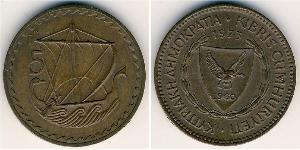
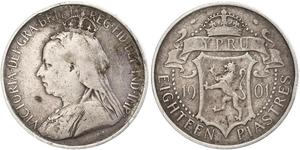
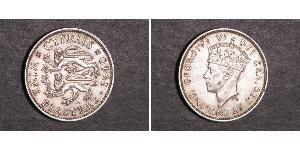
| Cyprus | Link to Wikipedia |
Cyprus: History, Coinage and Collectibles
Historical Background
To understand the history of Cyprus is to trace one of humanity’s earliest engagements with metallurgy and trade. For nearly twenty millennia before recorded civilization began in Europe, this Mediterranean island was a crucible for cultural exchange where civilizations from Africa, Asia, and Greece converged. The land itself bore its own destiny through geology; it sits atop vast veins of copper ore that define the very etymology of "Cuprum" or Copper in classical Latin.
This resource transformed Cyprus into an economic power house long before standard empires rose to dominance. Archaeological evidence suggests a deep, almost primal connection between early inhabitants and mineral wealth, predating known Egyptian history by several centuries. As hunter-gatherers transitioned to Neolithic farming around 8500 BC, the focus shifted toward resource extraction. It was this strategic position at the crossroads of continents that drew empires ranging from Egypt and Assyria to Rome.
These power shifts inevitably altered local economies. When great civilizations conquered or influenced Cyprus, they sought control over its copper reserves but also utilized the island as a financial hub for regional trade between the Levant and Europe. The history of this state is not merely about borders drawn on maps; it tells a story of an economy defined by movement and exchange.
Currency and Coinage History
The evolution of money in Cyprus mirrors its tumultuous geopolitical changes, yet possesses a distinct local identity rooted in the raw material that gave the island fame. In many regions today marked as ancient history began with bronze or silver, but in Cyprus, the primary numismatic heritage is copper.
Prior to the widespread adoption of coined money across Greece and Rome, Phoenician merchants arrived on these shores carrying their own scriptural traditions. This led to a unique period where local populations adopted currency systems that were distinct from mainland trends. The transition was gradual; initially used for barter goods like wool or olive oil, copper tokens eventually standardized into official coinage under various administrative regimes.
This numismatic timeline spans thousands of years. Early issues emerged during the Phoenician influence when the island functioned as a semi-autonomous trading partner to Carthage and other Tyrian colonies. Following political unification by Alexander the Great, these traditions evolved but maintained their local weight standards for copper. When silver coins appeared under Ptolemaic control in 312 BC, they introduced higher-value denominations into circulation that would support trade with Egypt.
The introduction of Roman administration eventually brought denarii to Cyprus. While earlier Greek colonies had experimented with gold and silver issues locally, the most common currency remained copper until late antiquity. The minting tradition was continuous but interrupted by periods where Rome repressed or absorbed local mints entirely.
Mints and Coin Production
The landscape of Cyprus is dotted with sites that once served as centers of economic power, many of which were converted into official production facilities for state currency. The most significant among these included the sanctuaries at Paphos and Kition.
In ancient times, religious authority often dictated minting protocols. Before coins were standardized under Greek or Roman emperors, local temple authorities oversaw metallurgy in areas rich with copper ore. Later mints utilized water power for refining ores before casting metal into molds that bore the likeness of deities and rulers.
The technology advanced steadily from simple hammered coinage to sophisticated struck coins produced by mechanical presses during Imperial Roman times. By late antiquity, production centers like Salamis operated as fully industrialized sites utilizing slave labor or convict gangs common in Mediterranean practice at the time. Artistic characteristics distinguish these periods; early Phoenician types are crude but massive, whereas later Greek silver issues display intricate relief work characteristic of Hellenistic masters.
The transition from hammered to struck production occurred slowly across the archipelago as trade routes intensified during the late Bronze Age collapse and subsequent migrations. These technical shifts in metallurgy fundamentally changed how wealth was stored and transferred on the island, moving away from bulky ingots toward standardized denominations recognized throughout the Mediterranean.
Notable Coins
No collection of ancient currency is complete without considering several standout issues that define this nation's identity. The first significant type to emerge among collectors was issued during the Phoenician period at Kition and Salamis. These were heavy copper pieces bearing inscriptions in Semitic languages using distinct lettering systems, making them prized for their rarity outside of regional trade circles.
The Ptolemaic silver issues represent a different aesthetic entirely. Early coinages bore simple images of the island's patron deities and royal insignia. As control passed to Roman administration following the reign of Pompey in 58 BC, designs shifted to honor local cult centers alongside imperial portraits.
Roman Republican denarii minted under Caesar offer a fascinating glimpse into early statecraft. While technically issued by Rome as part of its provincial expansion policy, these coins carried legends specific to Cyprus and imagery that blended Roman standards with Greek artistic traditions seen elsewhere in the Hellenistic world.
Later issues during Venetian occupation introduced new metal compositions to finance military campaigns against Turkish forces in 1570. These final pre-modern mints are distinct for their European style, often featuring religious motifs on one side and heraldic symbols of Venice on the reverse.
Cultural Legacy
The imagery found stamped into metal reflects much more than a state's administration; it encapsulates local mythology. For centuries, the most popular figures appearing on silver denominations were representations of Aphrodite and Adonis. The connection to Cyprus was deeply rooted in its mythological origins.
Coinage serves as an archaeological record that complements textual history. Archaeologists have recovered thousands of these ancient issues from gravesites around the island, confirming their role as both currency and burial goods meant for afterlife use. This practice persisted throughout antiquity, suggesting that holding a coin was not solely about commerce but also religious expression.
The transition to Islamic rule in 1570 introduced gold dinars featuring calligraphic designs typical of the Ottoman Empire before Venetian reconquest changed the currency system once again. These later coins were often minted locally under varying administrations, sometimes using copper for low denominations and silver or gold for higher value items.
For collectors
Cyprus remains a vital area of interest for numismatic specialists because it bridges ancient history with modern statehood in such an enduring way. Collectors should focus on provenance, as authentic early issues often show signs of heavy circulation and survival that define the rarity spectrum.
The island's coinage provides rare examples where local culture dictated artistic style despite occupying a peripheral role to larger empires like Rome or Greece. Whether hunting for Phoenician copper ingots used as currency tokens or Roman denarii bearing provincial legends, these objects offer tangible links to civilizations that shaped the modern world.
The condition of any specimen is paramount in this field; corrosion and oxidation affect value significantly given the high use of copper throughout history. Understanding the political backdrop behind each design allows for a deeper appreciation beyond mere visual assessment or catalog listing.