| View |
| preceded by | |
 Cocos (Keeling) Islands
|
| succeeded by |
| Cocos (Keeling) Islands | Link to Wikipedia |
Cocos (Keeling) Islands: History, Coinage and Collectibles
Historical Background
The story of Cocos (Keeling) Islands is one of isolation, resilience, and profound colonial transition situated in the heart of the Indian Ocean. Before permanent settlement began during the mid-nineteenth century, this scattered archipelago consisted mainly of uninhabited atolls rich with coconut palms and coral reefs that supported local marine life but offered little to no shelter from open seas for early sailors seeking passage between continents. The islands served as a crucial wayfinding point in navigation history.
The demographic makeup shifted dramatically when settlers arrived during the colonial era, establishing communities drawn largely from Malaya and the Straits Settlements who were tasked with maintaining an economic lifeline through fresh water extraction, coconuts for oil production, and local trade. This cultural identity remained deeply tied to its British heritage long after formal independence movements in mainland territories occurred nearby.
A pivotal moment arrived during the mid-twentieth century when war-torn refugees sought sanctuary on these shores following conflicts in Southeast Asia around 1942-1950. The island's population swelled, altering social structures forever and cementing its unique character within the wider Commonwealth sphere. In 1958, a significant political transition occurred as administration was transferred to Australia.
This transfer of sovereignty marked a new era where modern infrastructure slowly took root on these remote islands. The island became an Australian external territory rather than part of mainland federation or self-governing colony in the traditional sense. This geopolitical shift redefined trade patterns, moving local commerce from regional British ties toward direct connections with Australia and Asia. Economically, the focus remained heavily reliant on coconuts.
Culturally, the island maintained strong linguistic links to Malayan heritage while adopting Australian administrative frameworks over time. For history enthusiasts, this blend of cultures creates a rich narrative often overlooked by general numismatic circles but vital for collectors interested in Commonwealth territories that do not follow standard national coinage paths due to size.
Currency and Coinage History
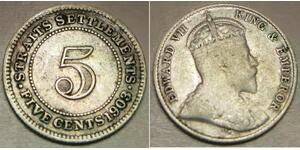
The monetary systems used on the islands were dictated entirely by broader imperial and regional politics, as remote territories rarely established independent minting capabilities. Prior to Australian administration, currency in circulation was generally tied to British Sterling standards or Straits Settlements denominations relevant at that time. Trade relied heavily on goods exchanged locally alongside standard foreign coins brought aboard ships visiting these outposts.
The transition following 1958 meant the adoption of the Australian Dollar and its predecessor systems used by Australia during different eras. There was no distinct sovereign minting authority established specifically for Cocos; rather, it operated under Commonwealth monetary oversight where legal tender came from mainland centers like Melbourne or Canberra.
This reliance on standard national currency has significant implications for collectors. In many small territories globally, local currencies often carried regional overprints to identify their origin and maintain supply chain integrity without creating new designs. While Cocos did not typically produce such distinct notes during major periods of administration transfer after 1958, the absence of a minting tradition is itself numismatically significant.
The economic function of money here was simple yet essential—facilitating trade with mainland Australia and neighboring Asian ports where merchants visited for supplies. Money in these islands served as a medium to acquire fresh goods since local production could not meet demands during certain seasons. This scarcity meant that coins used on Cocos were rare finds due to the logistical difficulty they faced when transported or deposited into circulation.
Mints and Coin Production
Coinage production was conducted centrally in mainland facilities, meaning any physical coin found representing local use bore marks of standard Commonwealth mintage. The Royal Australian Mint served as the primary hub for issuing legal tender across all states before becoming a specialized facility later on.
The artistic characteristics distinguishing this territory's monetary heritage lie not in unique designs but rather in their usage context and regional wear patterns found when coins were deposited there by passing vessels or administrative shipments. Unlike large nations with elaborate engraving studios, small outposts relied entirely on circulated issues shipped across the ocean to maintain value.
This reliance meant that collectors hunting for "Cocos specific" coinage must focus on how Australian mintage was allocated among territories rather than expecting unique local production houses or artistic programs. The logistical tradition involved careful packaging of metal currency destined for remote areas where banking infrastructure was limited until the latter decades of administration.
Techology-wise, standard Commonwealth minting practices were applied to circulating coins regardless of destination. However, this homogeneity makes finding specific variants from these regions quite difficult, as they often appear in general circulation records rather than specialized regional catalogs without distinguishing marks that separate them visually on the surface or date wise.
Notable Coins
The most historically important coin types associated with Cocos are not local mintage but Australian issues circulated within its borders during various eras. Collectors value these for their scarcity in pristine condition, having traveled vast distances to reach isolated shores where wear was inevitable due to exposure.
- Circulating Sovereign Pieces from Mainland Production: These coins represent the most accessible artifacts of currency history found there, often collected as part of territorial circulation series. Their historical context lies in their journey across oceans and their eventual arrival on these specific islands within Australian governance frameworks.
The significance to collectors is rooted in the challenge of finding examples that have remained with original features rather than circulated into general use. While mintages were standard, survival rates varied significantly depending upon local demand for fresh imports or rationing periods following World War II disruptions across Southeast Asia routes.
- Post-1958 Commonwealth Issues: These denominations reflect the new political status under Australian control and are often catalogued within broader territorial collecting circles. Their design features mirror standard national mintage trends, emphasizing how economic unity superseded regional distinctiveness in remote governance zones of that era.
The importance to collectors lies largely in documentation regarding provenance rather than artistic originality which was consistent with general Commonwealth standards at the time they were produced for use across various external territories.
- Philatelic Substitutes and Postal Orders: While not strictly coinage, these items often appear alongside monetary history discussions. These documents functioned similarly to currency in certain remote periods when formal banking services reached maturity later than on mainland cities like Sydney or Melbourne did during earlier decades of administration.
Their legacy remains as key artifacts explaining how daily commerce was conducted where metal coins alone could not sustain a full economy due to shipping delays and limited volume needs for small communities living far from supply lines.
Cultural Legacy
The monetary symbols used in Cocos reflect broader imperial unity rather than local culture since no independent minting program existed. Symbols featured on coins or notes circulating here carried standard Commonwealth heraldry, portraits of monarchs reigning at the time across various eras up until modern republic transitions.
This uniformity reflects a cultural identity deeply connected to British and Australian heritage while retaining distinct traditions through language retention from early Malayan settlers who brought their own folklore regarding islands they inhabited for generations before political changes took root there officially.
For collectors
Cocos (Keeling) Islands history remains important to advanced numismatists because it offers a window into how colonial administration handled remote territories without independent economic sovereignty. It does not offer typical rarity premiums seen in sovereign coinage but instead provides opportunity for historical exploration regarding usage of Australian currency abroad.
- The collection focus should include understanding regional circulation rather than seeking specific local designs that were never produced commercially by the standard mintage facilities used globally during similar periods of imperial rule.
This territory serves as an educational case study in how smaller dependencies managed finance without needing complex monetary systems, which is valuable knowledge for those specializing in colonial currency groups. Understanding why few coins exist here versus many stamps or notes helps prevent costly mistakes by buyers seeking false scarcity claims on items not originally minted locally.
For hobbyists interested in Australian territorial issues, Cocos represents a unique segment where completeness of collection relies heavily on understanding that most circulating pieces originated from general Commonwealth runs but carry historical weight as having reached the far corners of imperial networks. Their value lies in telling this story rather than purely monetary worth at current market listings.