| View |
 Bermuda
| Bermuda | Link to Wikipedia |
Bermuda: History, Coinage and Collectibles
Welcome to a journey through the sands of history where Atlantic currents met imperial ambition. In our collection room today, we hold more than metal objects; we possess tangible fragments of Bermuda’s unique identity situated at the edge of the British Empire in the West Indies.
Historical Background
Bermuda stands as one of the most fascinating outliers within a historical map. While much smaller geographically, its geopolitical weight was immense due to its location between Europe and North America during the era of colonial expansion. From its early settlement by English colonists in 1609 until achieving full self-government status later, Bermuda served primarily as a strategic naval base for protecting merchant routes against piracy and foreign powers.
The economic engine that drove this archipelago was sugar trade. Plantations required liquid currency to pay laborers and purchase supplies from London before goods could be shipped back home. This demand created the early necessity for metal money in an economy initially sustained by barter exchanges with native populations or trading ships docked along the coast.
The relationship between Bermuda, England, and later Great Britain shaped every aspect of daily life on the island. The colony was relatively small but heavily regulated; consequently, monetary policy remained under tight metropolitan control for centuries. This meant that while other colonies were experimenting with local paper or minting silver locally, Bermuda waited patiently at anchor until conditions allowed its currency to reflect its own sovereignty.
Culture evolved within the constraints of a naval presence and heavy British influence yet blended uniquely Caribbean traditions with Atlantic heritage. The island became known as the "American Gibraltar," suggesting strength but also isolation during times when European wars were fought in distant waters, influencing trade patterns that would later dictate how coinage circulated through the region.
Currency and Coinage History
The story of money on Bermuda began not with a minting machine, but with silver dollars brought by Spanish galleons before English law imposed order. As British governance took firm hold in 1684 following conflict between rival powers seeking to monopolize the trade routes around Stirling Island, copper coinage was introduced.
This initial phase is critical for numismatists studying early colonial economies. Unlike many colonies that developed their own currency immediately, Bermuda circulated British sterling issues locally but suffered from a distinct shortage of supply due to distance and war blockades during the Napoleonic era. This scarcity created unique economic conditions where even small copper half-pennies were valued at premium rates relative to face value.
The transition from colonial coinage to decimalized currency marked a significant shift in local governance history, yet metal production remained tied closely to London for decades. The Royal Mint controlled the supply of silver florins and gold sovereigns intended for island use during periods when trade was most active with North American ports like New York.
Much like other territories, early coins bore standard British royal portraits, but their survival rates differ significantly because Bermuda's harsh weather conditions did not damage them as quickly in the short term. However, wear caused by heavy saltwater usage on ships meant that many circulated pieces showed significant degradation compared to those from inland mints.
Mints and Coin Production
Bermuda is unique among world numismatics for its lack of a permanent local mint during the peak periods of British colonial rule. Most coins were struck in London or at other major imperial sites before being shipped across thousands of miles to Atlantic colonies.
This dependency created distinct varieties known today as "worn issues" versus uncirculated patterns sent by government decree for official use only. The production traditions reflect a reliance on high-quality British craftsmanship, though these coins were designed with the specific need of the tropical trade environment in mind, prioritizing durability over intricate artistic detail.
The shift to modern independence saw local mints emerge or issues authorized under Commonwealth oversight that featured distinct island designs. This period allowed for an explosion of numismatic creativity where artists could depict flora and fauna native to the Atlantic archipelago rather than relying solely on royal crests found in London records from previous centuries.
The technology employed transitioned smoothly with global standards, yet Bermuda remained a collector's prize due to limited mintage numbers that resulted when production orders were cancelled or delayed because of shipping issues. The lack of local infrastructure meant survival was often dictated by chance and the protection provided during times of conflict rather than robust banking vaults.
Notable Coins
To understand what collectors seek today, we must appreciate specific items that hold historical weight within our archives.
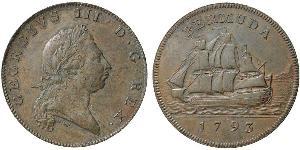
- The Copper Half-Penny of 1684 and Variants: These early issues are often misattributed. They feature standard British reverse designs but circulated as currency in a region where silver was preferred by wealthy merchants for trade, leaving the copper coins vulnerable to clipping.
This piece represents an era when basic commerce replaced barter systems entirely, establishing Bermuda's connection to Atlantic markets that would persist through two world wars. The scarcity comes not from production volume alone but from the survival rate of these heavy pieces in such a saline environment.
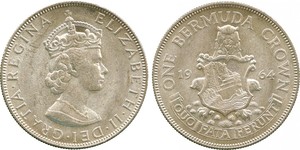
- The Bermuda Florin (Silver): Often issued during periods when silver was most vital for purchasing goods abroad, this denomination became essential as the colony sought to establish independence from monetary reliance on London-only currency flows. It represents a time of economic maturity where local wealth could be stored in tangible form.
The design evolution here allows us to track shifts in artistic tastes that moved away from royal iconography toward representations of Bermuda’s rugged coastlines and naval history, which resonates deeply with maritime collectors who appreciate this context over standard market values.
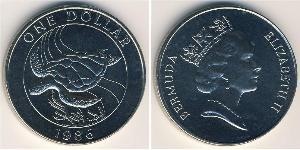
- Jubilee Commemoratives: Later issues celebrating historical milestones show how a self-governing nation utilized coinage to assert identity. These pieces serve as artistic statements where the artist could express cultural pride in island heritage using established minting techniques approved by imperial authorities, creating rare hybrids of British tradition and local artistry.
Rare varieties from this period offer collectors an opportunity to hold history that has transitioned from colonial rule to nationhood without modern political controversy interfering with their appreciation of the era. These coins serve as artifacts where metal met a cultural rebirth in the Caribbean landscape.
Cultural Legacy
The face value stamped on these pieces is secondary compared to what they represent historically. For centuries, Bermuda’s coinage was dominated by symbols that reflected British imperial power—the monarch's head and standard heraldry—but as local control grew, so did the desire for representation of homegrown culture.
This evolution can be traced through specific iconography changes seen in later circulating issues where nature scenes replaced strict adherence to London standards. The coins became a reflection of Bermuda’s rugged beauty that was known globally but not necessarily represented until these metal mediums allowed it.
The island's resilience during conflict and its eventual path toward self-determination are etched into the narrative surrounding every coin produced under local authority, providing collectors with tangible links to maritime history where naval defense intersected daily commerce. This legacy remains visible in how each era of design shifted from strict formalism toward artistic expression that honors the ocean rather than just a flag.
In numismatic museums today, these items provide context for Atlantic world trade dynamics without requiring technical specifications found elsewhere. They tell stories of ships docking and sailors spending wages on metal money they trusted despite uncertainty about their origin or destination at sea during those turbulent times.
For collectors
Bermuda remains an essential addition to any comprehensive collection focused on British colonial history in the Americas, specifically because it bridges major economic gaps that existed between North America and Europe.
- The rarity derived from survival rates offers high educational value when studying Atlantic trade routes. Each coin found represents a survivor of saltwater corrosion and logistical challenges during transport centuries ago, making them historically priceless artifacts regardless of their market price today.
Coinage significance is tied to the fact that Bermuda did not have an easy escape from imperial influence until recently; this makes its later issues particularly poignant for those interested in how independence movements utilized currency as a tool for national building rather than just profit. The aesthetic shift reflects culture, making it perfect for museum exhibitions designed to teach visitors about Caribbean history.
When approaching the market or auctions featuring Bermuda pieces, focus on provenance and historical context rather than chasing specific dates that may not carry significant value in isolation due to standardization issues with mint production across colonies. The true worth lies in understanding where these coins were used and how they facilitated trade within a small island economy before becoming souvenirs of colonial history.
Ultimately, collecting from Bermuda is an act of preservation for the Atlantic world's maritime heritage, keeping alive memories of naval defense networks that kept commerce open across hundreds of nautical miles during eras when global maps looked quite different than they do today. By appreciating these historical and numismatic values together, enthusiasts gain a unique window into how small states defined themselves on the edge of empires.
This exhibition continues to grow as new issues surface, reminding us that history is written not only in books but also in metal objects carried by those who sailed across waters once thought impassable for commerce. Welcome back and continue exploring these historic pieces with curiosity about how small islands shaped large economies through their coins over time.