| View |

 Angola (1975 - )
| Angola (1975 - ) | Link to Wikipedia |
Angola: History, Coinage and Collectibles
Welcome to our gallery of monetary history from the Republic of Angola. The story contained within its currency offers a profound look at trade networks that spanned oceans for centuries before independence arrived in 1975.
Historical Background
To understand the coins issued here, one must first consider the deep historical roots of the region long before modern borders were drawn. The Kingdom of Kongo served as a vital nexus for trade and diplomatic relations between African kingdoms and European traders from the late fifteenth century onward. Luanda rose to prominence not merely as a port but as a hub connecting the Atlantic with interior resources, creating an economic landscape that shaped the monetary systems used today.
The arrival of Portuguese colonizers shifted these established dynamics toward extraction-based economies centered on diamond mining and agriculture during the early twentieth century. This era solidified Luanda's status as one of Africa's major commercial ports alongside Lagos and Dakar in West Africa, influencing the introduction of currency reforms designed to service imperial trade rather than local commerce initially.
The path to sovereignty was forged through a complex struggle that ended with independence from Portugal. The economic infrastructure built during decades of colonial rule had significant implications for national identity when coins were first issued as symbols of statehood. While civil conflict later in the twentieth century disrupted stability and production capabilities, this era stands out historically not merely as a period of war but as a transition point where local artisans began to reclaim traditional motifs from foreign designs found on earlier pieces.
Currency and Coinage History
The evolution of money in Angola mirrors the broader trajectory of West African economics. Initially, trade was conducted via barter or colonial escudos circulating alongside Portuguese notes issued by Lisbon banks. The introduction of copper coins marked a shift toward tangible currency for daily use among populations engaged in regional markets and plantation labor.
Following independence, the government introduced its own national monetary system. The kwanza replaced foreign currencies through controlled exchange rates designed to stabilize the economy against hyperinflation risks common in new post-colonial states during that period of global change.
A significant transition occurred as the state moved toward using locally produced coins for circulation rather than importing denominations from Lisbon or other European hubs. This shift allowed the nation's iconography and cultural symbols to become permanent fixtures on circulating currency, transitioning these artifacts into national history books within decades.
Mints and Coin Production
The majority of pre-independence coinage was produced at mints located in Lisbon or other colonial hubs before being shipped out. This is a key point for collectors verifying the provenance of pieces dating prior to 1975, as die stamps from European facilities were common.
After independence, attempts began to establish domestic minting capabilities under difficult political conditions that made industrial continuity challenging. Consequently, many coins circulated during this period bear markings suggesting external production or provisional casting techniques used when official mints faced delays due to logistical issues and supply disruptions inherent in regional conflict years.
The artistic characteristics of these pieces reflect a blend of realism from traditional Western engraving styles with indigenous iconography introduced by the state. Die designs were simplified in later series because high-quality metal blanks became harder to source locally, leading to distinct surface textures often seen on circulated examples today that differ significantly from pristine proofs.
Notable Coins
Certain denominations stand out as historically significant due to their context of issuance rather than intrinsic precious content. The low value copper centimos issued in the late 1980s represent a transition period where traditional colonial imagery was replaced by national fauna and agricultural motifs.
- The ten-centimo series featuring indigenous bird species offers insight into biodiversity efforts that were prioritized before full civil conflict disruption of state institutions. These pieces remain valuable to collectors as they depict the early attempts at establishing an independent visual identity for a new nation using local wildlife found in protected reserves.
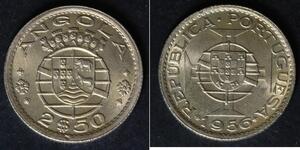
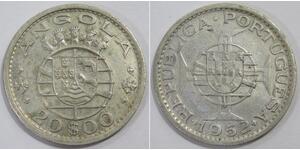
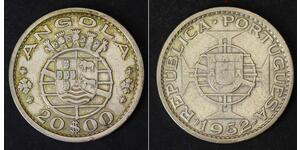
- Twenty-five centimos with traditional patterns: Issued around mid-century, these coins often carried designs influenced by Portuguese architectural motifs. Collectors seek examples showing die alignment issues common to the era which suggest production challenges during periods of logistical strain on colonial supply lines.
The Independence Commemorative Series: Minted in 1975, these coins feature allegorical representations of unity and progress rather than royal figures. The designs depict national heroes or abstract symbols of liberty carved from modernist die styles common to the time period.
The Leopard Coin:Around independence celebrations, a prominent design featured the national leopard species which had become an emblematic symbol on stamps and later currency faces. These pieces carry historical significance as they were among the first issued domestically with high artistic detail before quality standards fluctuated due to resource scarcity.
In many cases, these coins are collected because their survival rates vary drastically by condition. Circulated examples tell a story of daily commerce within rural communities where humidity and handling created wear patterns distinct from mint-state specimens found in European archives or private vaults.
Cultural Legacy
The coinage serves as an enduring testament to the resilience and evolution of national identity following colonization. As seen on circulation pieces, motifs have moved from colonial emblems depicting ships navigating Atlantic waters toward symbols celebrating local agriculture such as maize harvest scenes or traditional pottery patterns used in denominations representing higher value.
For collectors
The coinage of this region remains a specialized field for those interested in African monetary history and the broader narrative of post-colonial economics. Collectors should focus on historical significance rather than speculative pricing, as pieces from conflict eras often command attention due to their scarcity caused by disrupted production lines during mid-century instability.
The preservation environment is another key consideration; humidity prevalent along this coast can affect surface quality over time if stored improperly before acquisition. Pieces with protective encapsulation or original packaging remain particularly desirable in any market segment because they retain the integrity of design features intended to represent a nation's independence and future prosperity. Understanding these nuances ensures that collections accurately reflect both artistic merit and historical truth, bridging the gap between monetary science and cultural heritage.