The San José Shipwreck: A Sunken Treasure of Spanish Colonial Coins
| View | Edit |
The San José Shipwreck: A Sunken Treasure of Spanish Colonial Coins
On a warm June evening in 1708, the Spanish galleon San José met its fate off the coast of Cartagena, in what is now Colombia. Laden with one of the richest cargoes ever to cross the Atlantic, the ship carried gold, silver, and precious stones drawn from the mines and workshops of the Viceroyalty of Peru. When a British naval squadron under Commodore Charles Wager intercepted the Spanish treasure fleet, the San José's powder magazine exploded, sending the vessel and nearly six hundred souls to the ocean floor. For more than three centuries, the wreck lay undisturbed, guarding a numismatic time capsule that would captivate historians and collectors alike.
The Voyage That Never Reached Home
The San José was a 64-gun galleon, one of the pride ships of the Spanish Crown's transatlantic fleet. In the spring of 1708, it formed part of a convoy tasked with transporting the accumulated wealth of Spain's American colonies back to a homeland embroiled in the War of the Spanish Succession. King Philip V desperately needed funds to sustain his war effort against the Grand Alliance, and the San José's cargo represented a fortune that could shift the balance of power in Europe.
The fleet departed from Portobelo in present-day Panama, stopping at Cartagena to take on additional cargo and await favorable winds. Intelligence of the convoy's movements reached the British, who dispatched a squadron of four warships to intercept it. On June 8, 1708, the two forces met near the Islas del Rosario. During the fierce engagement that followed, a cannonball struck the San José's magazine. The resulting explosion tore the ship apart, and within minutes the galleon vanished beneath the waves along with an estimated eleven million silver pesos in coin and bullion, gold doubloons, emeralds, and other goods.
Discovery and the Treasure Below
The wreck of the San José became one of the most legendary lost treasures in maritime history. For centuries, adventurers, salvage companies, and governments searched the Caribbean waters without success. In December 2015, the Colombian government announced that the wreck had been located at a depth of more than six hundred meters, using advanced sonar and underwater robotic vehicles. The site revealed a remarkably well-preserved shipwreck surrounded by a debris field that included thousands of coins, ingots, and fragments of colonial-era cargo.
The coins recovered from the San José offer an extraordinary window into the monetary system of the Spanish Empire at the height of its colonial power. They represent the output of the great royal mints of the New World, particularly Lima and Potosí, and they reflect the immense scale of precious-metal extraction that financed Spain's global ambitions.
Notable Coins from the San José
- The Eight-Escudo Gold Doubloon of Philip V
Among the most iconic coins associated with the San José is the eight-escudo gold piece struck during the reign of Philip V, the first Bourbon king of Spain. These large gold coins, often called "doubloons," were minted primarily at the Lima mint in Peru and, to a lesser extent, at Bogotá and Mexico City. The obverse typically displayed the royal portrait or the Habsburg-Bourbon cross with the arms of Castile and León, while the reverse bore the royal coat of arms. For collectors, the Philip V doubloon represents the pinnacle of Spanish colonial gold coinage and a direct link to the treasure fleets that once ruled the Atlantic trade routes.
- The Silver Piece of Eight (Eight Reales)
The eight-reales silver coin, known in English as the "piece of eight," was the workhorse currency of the Spanish Empire and, arguably, the first truly global coin. The San José carried vast quantities of these coins, many produced at the Potosí mint in Upper Peru (modern Bolivia) and at the Lima mint. Struck from the enormous silver output of Cerro Rico, these coins bore the Pillars of Hercules and the Latin motto "Plus Ultra" — "Further Beyond." The piece of eight circulated from Manila to Madrid and from Boston to Canton, making it one of the most historically significant coins ever produced. For collectors, a piece of eight with a confirmed shipwreck provenance carries a powerful narrative of empire, commerce, and maritime adventure.
- Cob Coinage from Lima and Potosí
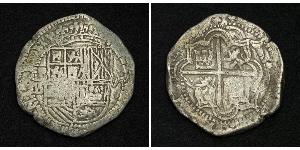
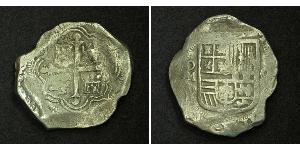
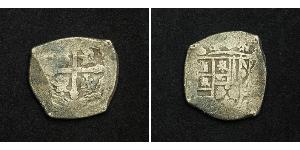
Alongside the carefully struck round coins, the San José's cargo included large quantities of "cob" coinage — irregularly shaped silver and gold pieces cut from bars and stamped with minimal design elements. These crude but authentic coins were produced rapidly to meet the urgent demand for currency in the colonies and to facilitate the shipment of bullion to Spain. Cob coins from the Lima and Potosí mints often display the cross-and-shield design with assayer marks and mint abbreviations. Collectors prize cob coins for their raw, unpolished character; each piece is unique in shape and weight, a tangible artifact of the improvisational spirit of colonial minting.
- The Two-Escudo Gold Coin
Smaller gold denominations, particularly the two-escudo piece, were also part of the San José's cargo. These coins were more practical for everyday commercial transactions and circulated widely throughout the Atlantic world. The two-escudo coins of Philip V feature a simplified royal shield on the obverse and a cross with the arms of Castile and León on the reverse. Though less dramatic than the massive eight-escudo doubloon, these coins are prized by collectors for their accessibility and for the intimate glimpse they offer into the daily economic life of the Spanish colonial era.
The coins of the San José are more than precious metals recovered from the deep. They are artifacts of a world in which silver from a mountain in Bolivia could become currency in a marketplace in Seville, where gold from a Peruvian mint could cross an ocean and reshape the fortunes of nations. Each coin that surfaces from the wreck carries the weight of that story — a story of ambition, empire, and the enduring human drive to turn raw earth into lasting wealth.
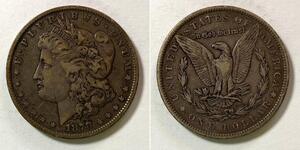
-300-150-S1TBwcI0HG0AAAEoXnYYEDnT.jpg "1 Dollar USA (1776 - ) Silver")
1 Dollar USA (1776 - ) Silver
group has 1722 coins / 1629 prices
⇑
-300-150-hSoK.GJAO2QAAAEs4O4blcbb.jpg "1 Shilling Federal State of Austria (1934-1938) Copper/Nickel")
1 Shilling Federal State of Austria (1934-1938) Copper/Nickel
group has 4 coins / 3 prices
⇑