| View |
| preceded by | |
 Artaxiad dynasty (190BC - 12AD)
|
| succeeded by |
| Artaxiad dynasty (190BC - 12AD) | Link to Wikipedia |
The Kingdom of Armenia: History, Coinage and Collectibles
Historical Background
To understand the numismatic heritage preserved from this era requires a glimpse into the turbulent geopolitical landscape of ancient Anatolia and Iran. For nearly three centuries, before being subdued by Roman expansion in 12 AD, Armenia stood as one of the few sovereign powers to successfully balance its independence between two great superpowers: Rome and Parthia. This delicate dance defined the nation's character. The story begins with Artaxias I, who is credited with founding a dynasty that sought legitimacy through kinship claims to the Orontids. However, his rise was not merely dynastic; it marked a crucial moment in statehood where local generals transitioned into autonomous kings after their defeat of Seleucid authority.
The history of this region reaches its apex under Tigranes the Great, who reigned from 95 BC to 55 BC. During his rule, Armenia extended its dominion stretching all the way across lands, reaching from the Caspian Sea bordering Persia down to the Mediterranean coastline in modern-day Israel and Syria. This vast expansion necessitated a robust administrative structure that included a central government capable of managing diverse provinces like Sophene. The kingdom became known as an independent entity during this period, effectively acting as a buffer zone between the Roman Republic and Eastern empires.
Cultural identity was forged in the fires of external pressure. Armenia retained strong Iranian religious roots despite superficial Hellenization. This duality is crucial for understanding why coins from this era appear distinctively different to modern eyes compared to strictly Greek or purely Persian artifacts. The society functioned as a melting pot where local culture and Mediterranean aesthetics blended together, creating an artistic style that remains unique in numismatic history.
Currency and Coinage History
The evolution of currency within this kingdom was directly tied to its political status. In the early Orontid period, coin production had been minimal; very few pieces were attributed to these predecessors before Artaxias took power. Once independence was asserted under the Treaty of Apamea in 188 BC and recognized by Rome, minting became a vital tool for state identity. The shift from using Greek language models on coins represents this desire to engage with the Hellenistic world while maintaining sovereignty.
The monetary system evolved rapidly as political relationships shifted. Early Artaxiad rulers used standard titles typical of monarchies in their region. However, Tigran II marked a significant turning point. Even after being reinstalled by Pompey following his defeat against Roman forces, he continued to use the grandiose title Basileus basileon on various mints rather than reverting to Basileos megalou. For collectors and historians alike, this specific change in wording is not merely semantic but represents a bold assertion of authority that transcended immediate political constraints imposed by Rome.
The coinage served multiple purposes beyond mere commerce; it was propaganda used across borders to assert legitimacy among diverse populations from Mesopotamia to the Mediterranean. The widespread adoption of Greek script for inscriptions facilitated trade with neighboring city-states while local scripts remained reserved for monumental stone stelae found around Lake Sevan.
Mints and Coin Production
The geographical reach of Armenia dictated where currency was struck. Artaxata served as the primary capital mint during much of this period, yet production also occurred in strategic border cities to ensure liquidity among different ethnic groups within the realm. Tigranocerta became a major center following its founding by Tigranes the Great and later after Roman campaigns brought it back under control.
The technology used for striking these coins followed classical traditions but bore distinct regional characteristics. The choice of material was also strategic; copper was predominant in circulation to meet daily needs, while silver and gold were reserved for treasury purposes or specific commemorative issues. Artisans employed die techniques that allowed mass production yet maintained high artistic standards.
A unique feature distinguishing this coinage is the connection between physical territory and monetary value. Boundary stones erected by Artaxias utilized boundary markers to demarcate landholdings around Lake Sevan, using Aramaic script which claimed royal power similar to how images on coins used visual symbols like eagles or scepters.
Notable Coins
Certain types have ascended in popularity due to their historical importance and rarity within the numismatic community. Collectors seeking significant pieces of this era typically look for these specific designs:
- The Eagle Coin (Artaxias I): A copper coin displaying an eagle facing left perched atop a mountain on the reverse is considered one of the foundational issues of the dynasty. This image symbolized divinity or royal power in Persian tradition. It serves as a visual link to Achaemenid roots even when written inscriptions were entirely Greek, highlighting the cultural synthesis unique to this region and time period. For auction buyers, these early strikes represent the establishment of sovereign authority.
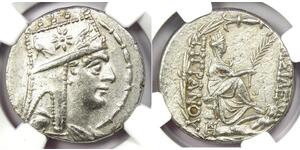
- The King of Kings (Tigran II): Minted in Tigranocerta as well as Artaxata and Nisibis during periods of expansion. This coin type is distinguished by its political boldness. Despite Roman overtures, the depiction of Hercules alongside the claim to "King of Kings" was an ambitious statement often used for diplomatic correspondence among eastern rivals who recognized this specific phrasing as a mark of imperial status rather than client-kingly obedience.
- The Throne Scenes (Tigran I): A reverse image depicting a seated figure holding a sceptre suggests the consolidation of internal power over autonomous nobles. This imagery connects directly to historical records of Tigranes unifying independent nakharars or noble families. In numismatics, this represents the transition from feudal autonomy toward a centralized state model visible in coin production across large territories.
Cultural Legacy
The legacy preserved on these ancient medals is more than just metallurgy; it serves as an archaeological record of beliefs. The religious landscape was fascinating, blending classical Greco-Roman pantheons with Iranian deities such as Zoroaster's Ahura Mazda influence which underpinned royal ideology.
Tigranes the Great invited Greek intellectuals to his court and composed tragedies in Greek yet he remained staunchly traditional in faith regarding local religious matters. This duality is reflected visually on coin edges where Hellenistic iconography appears alongside Persian-style crown diadems, showing that rulers embraced both worlds simultaneously.
The eagle motif used frequently was not merely a Roman import but carried specific weight within Iranian mythology as well, symbolizing Ahura Mazda's divinity. By placing this image on Armenian coins with Greek inscriptions declaring the king a Philhellene or friend of Greece, monarchs demonstrated they were fully integrated into Mediterranean diplomacy.
This artistic synthesis created an enduring legacy where every edge and legend tells part of Armenia's struggle for cultural independence under imperial pressure. Collectors appreciate that these objects are rare windows into how ancient states maintained identity without isolating themselves from global trade networks dominated by other powers like Egypt or Greece.
For collectors
The coinage of the Kingdom of Armenia stands as a remarkable example where art, politics, and economics converged. These artifacts provide access to history not just through dates but through political maneuvering that shaped ancient geopolitics for over two centuries from 189 BC until Roman intervention.
Possessing these pieces offers an opportunity to own tangible proof of how small kingdoms navigated the shadows between empires without losing their cultural essence. The scarcity of early Artaxiad issues compared to later production under Tigranes makes them particularly sought after, yet they share a common design language rooted in local traditions despite international influences.
The enduring appeal lies in the ability for every object held today to tell the story of sovereignty challenged by greater forces and successfully resisted through economic control. Whether examining simple copper pieces or grand gold issues minted during times of imperial ambition, these coins remain vital historical witnesses that continue to captivate historians and investors alike.