| View |
| preceded by | |
 El Salvador (1821 - )
|
||||||
|

| succeeded by |
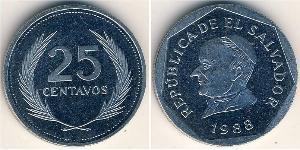
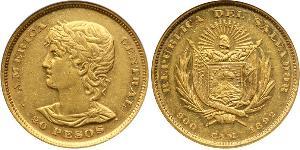
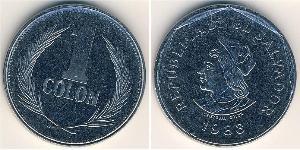
| El Salvador (1821 - ) | Link to Wikipedia |
El Salvador: History, Coinage and Collectibles
Historical Background
To understand the numismatic narrative of El Salvador, one must first look to its ancient soil. Long before European influence touched the Americas, the region was a thriving crossroads for indigenous civilizations like the Maya, Olmec, and Lenca. This cultural vibrancy left an imprint on early economic life through barter systems using goods such as cacao, obsidian, and hematite at major urban centers like Tazumal and Cara Sucia.
The arrival of the Spanish in 1524 fundamentally altered this landscape. The conquerors introduced a monetary economy to replace ancient trade networks. During the colonial era, El Salvador functioned primarily within the Viceroyalty of New Spain. Because of its integration with Mexico City and later Guatemala, local economic value was initially expressed through silver coinage struck in foreign mints—specifically at Mexico City—which circulated widely throughout Central America. The economy remained agrarian for centuries; following a period where indigo dyed fabrics were exported, coffee became the dominant agricultural export by the turn of the 20th century.
The path to sovereign statehood was marked by political fragmentation and eventual unification with Honduras and Nicaragua in short-lived federations. These shifting borders influenced trade flows but also highlighted a lack of local monetary sovereignty for much of history. Independence movements during the early 1820s sparked the demand for currency that truly represented the new nation, moving away from reliance on Spanish or Mexican silver.
Currency and Coinage History
The evolution of money in this Central American region mirrors its political journey. Initially, there was no local mint infrastructure capable of striking significant volumes of coinage; merchants relied heavily on foreign coins imported for commerce with Mexico City and the wider Atlantic world. These silver reales became deeply embedded in daily life.
Following independence from Spain, attempts were made to issue currency that reflected national identity rather than colonial rule. The 19th century saw a chaotic period where various factions issued notes and medals, but stable metallic coinage was difficult to sustain due to the dissolution of central authority during internal strife. It wasn't until the late 1800s and early 20th century that standardized silver currency began to appear more consistently within the region.
The modern monetary system evolved gradually as El Salvador sought greater economic autonomy from Mexico City's monopoly on mints. By the mid-20th century, the country had embraced decimalized coinage featuring copper-brass and nickel-silver alloys that are familiar today. However, collectors should note that this region historically prioritized paper money for large transactions—reflecting a trade economy based on agricultural commodities like coffee beans rather than high-volume metal currency.
Mints and Coin Production
The production of coinage in El Salvador was heavily influenced by its geography. Located near the Pacific Ocean, much of the early supply depended on ships arriving from the Gulf Coast or Central America's regional capitals. The San Salvador mint became a focal point for local currency production during stable periods.
Minting traditions often reflected broader trends across Latin America: initial issues were heavy with baroque religious iconography and royal heraldry, while later designs shifted toward secular representations of agriculture and civic pride. This artistic transition allowed the coins to serve not just as medium of exchange but as state propaganda promoting national unity.
The technology used evolved from hammered coinage during colonial times (though most early examples were die-struck by Mexico) to modern press mechanics that could produce thousands of identical units for mass distribution among coffee farmers and urban merchants. The distinct lack of a major local mint until independence meant many circulating coins are actually Mexican or Guatemalan in origin, which is an important consideration for distinguishing provenance.
Notable Coins
For the collector interested in history rather than market hype, several themes emerge as significant to this region:
- The Early Colonial Silver Standards: Although these were typically imported silver reales from Mexico or Peru, their circulation was so extensive that they became synonymous with Salvadoran commerce. Collecting examples found within local contexts can represent the transition between barter and coinage economies.
The Coffee Boom Issues: In the 19th century, following the massive expansion of coffee production in regions like Izalco and Ahuachapán, currency reforms were occasionally linked to economic stability. Coins struck during prosperous periods often bear high artistic quality as mint houses competed for prestige.
- The Post-Independence Gold Issues: A significant group of coins was produced using gold standards (gold sovereigns) intended for international trade and export earnings from coffee. These heavy, fine-gold pieces were reserved for wealthy merchants and state officials rather than the general public but represent high historical value.
The Modern Decimalization Set: As El Salvador adopted decimalized currency to compete with its neighbors like Costa Rica (which had already moved toward gold), new sets appeared. The copper-brass centavos are often more widely collected due to their lower face value and larger circulation in the early 20th century, though they remain relatively common.
In addition to standard denominations used for daily market purchases among farmers and workers, collectors might also appreciate commemorative issues celebrating national heroes or historical milestones. Unlike many regions where commemoratives are mass-produced with poor quality control here, artistic merit varies greatly by the era of design.
Cultural Legacy
The face of El Salvador's coinage reflects its people and their relationship with the land you might see reflected in the coffee plant images that dominate early 20th-century issues. The currency served as a physical ambassador to international markets, showcasing national symbols including the Aztecs or pre-Columbian ruins on some designs.
Religious motifs remained prevalent due to historical influences; however, modern coinage has moved toward more secular imagery of peace and industry following decades of civil unrest. The transition from gold standards back to silver issues during periods of economic difficulty tells a silent story about the nation's fiscal health without needing an explanation.
The use of indigenous place names for regions like San Salvador or Izalco on maps eventually filtered into local heraldry used in early coinage, grounding national identity directly on the metal currency. This connection allowed even uneducated farmers to identify their country through symbols and landscapes printed on coins they handled daily at markets.
For collectors
The legacy of El Salvadorian coinage is unique due to its heavy reliance on imported silver standards for much of its colonial history, making local issues relatively rare in high-grade examples compared to the sheer volume of circulated pieces. For those new to this region's numismatic landscape, the lesson lies not in scarcity but condition; most coins were used daily and show significant wear.
Focusing on historical significance rather than speculative price guides offers a more rewarding approach for collectors studying Central America. By seeking out issues that mark independence or economic reforms, one acquires pieces that tell the story of nation-building without needing to rely solely on rarity. For enthusiasts interested in pre-independence numismatics, Mexican coins minted for circulation within these borders offer an opportunity to connect directly with early colonial history.