| View |
| preceded by | |
 Saxe-Coburg and Gotha (1826-1920)
|
| succeeded by |
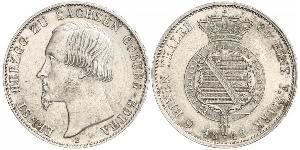
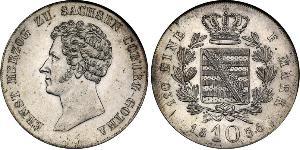
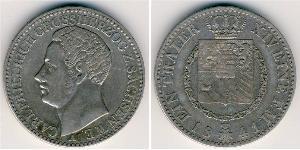
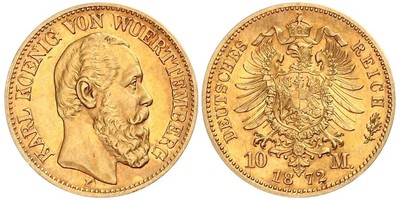
| Saxe-Coburg and Gotha (1826-1920) | Link to Wikipedia |
Saxe-Coburg and Gotha: History, Coinage and Collectibles
Historical Background
To understand the coinage of Saxe-Coburg and Gotha, one must first appreciate the cultural tapestry woven from two distinct German traditions. Located in what is now Central Germany, this state emerged not as a massive superpower, but as a jewel within the intricate puzzle of Holy Roman heritage following 1825. The merger created a unique political entity that stood at the heart of Thuringia and Franconia, where trade routes between northern Europe and Italy historically flowed.
The duchy existed in a delicate balance with its larger neighbors, Bavaria to the south and Saxony to the north. This proximity shaped its economy deeply. It was not merely about defending borders, but fostering commerce within this smaller sovereign entity while maintaining relations that kept it prosperous. For centuries, small German states relied on trade networks that moved grain from southern valleys into industrialized northern cities.
The cultural atmosphere of Gotha and Coburg fostered a love for the arts that seeped into public life. The court was renowned for patronizing artists and poets long before these figures reached international fame. This environment extended beyond culture to economics; the state needed currency that reflected both its heritage as an independent rule and its integration within the broader German Confederation, known formally as the North German Confederation later on.
Socially, the region was marked by a Lutheran tradition which influenced civic life significantly compared to Bavaria's Catholic south. This distinction often manifested in symbols used for statecraft that collectors can still find today. The ducal residences became cultural hubs where diplomatic events shaped monetary needs. It is through these social and trade exchanges that one finds the essence of what made this small territory a significant player on the regional stage during the 19th century.
Currency and Coinage History
The evolution of money in Saxe-Coburg-Gotha followed broader continental trends but maintained distinct characteristics due to its isolation from direct imperial control by major powers. Initially, coinage relied heavily on silver thalers that circulated across Central Europe, as this was the primary medium for trade and taxes.
Moving into the 1800s, economic shifts required reforms aimed at stabilizing the currency system against inflationary pressures common in post-Napoleonic markets. The transition from solidus systems to fractional silver coins allowed merchants easier transactions in growing towns within the territory. As trade flourished with Prussia and Bavaria, the mint adjusted its output to match commercial demand rather than just hoarding precious metals for war.
A significant monetary reform occurred as smaller states began aligning standards closer together. Saxe-Coburg-Gotha did not always need full independence if it could rely on agreements with larger neighbors regarding exchange rates and metal purity. However, maintaining its own mint allowed the government to control how wealth was circulated locally without relying entirely on neighboring mints that might prioritize their own states' interests.
This period saw a shift from purely religious iconography toward portraits of rulers who were seen as guardians of law rather than just divine representatives. This democratization in portraiture coincided with the changing political landscape where citizens began looking to monarchs for leadership based on merit and administrative ability rather solely on hereditary right.
Mints and Coin Production
The production centers were located within a few miles of each other, utilizing skilled craftsmanship that was legendary in its own time. The mint operated with strict controls over the purity of silver used for coins to ensure acceptance across borders where travelers needed reliable currency while moving between cities.
Technologically, the mints utilized punch-hammer technology early on before transitioning into modern screw presses during the mid-century industrial revolution. These advancements allowed for sharper designs and higher volumes without sacrificing quality—a crucial factor for a small state wishing to compete with larger entities like Prussia or Bavaria in terms of coin quality.
The artistic characteristics distinguishing this region often included intricate border work that protected against clipping (trimming the edge). Engravers from Coburg were known throughout Germany, sending their expertise north and south. The designs frequently incorporated elements that reminded viewers of local history without referencing major European battles, focusing instead on agricultural prosperity.
Metal sources varied according to available trade routes but generally included imported silver bars refined in local workshops. This reliance on external metal supply sometimes created unique alloys or variations in weight depending on the economic year and harvest yields which affected revenue streams for the ducal household.
Notable Coins
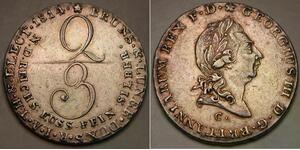
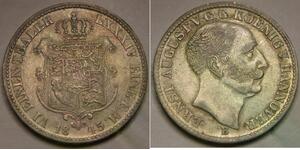
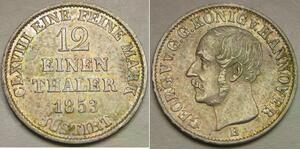
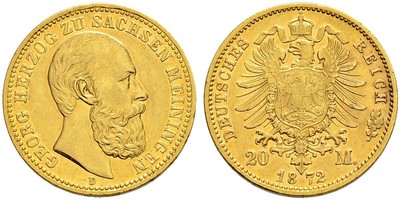
- The Silver Thaler of Carl August: These large silver coins represent one of the most prized items from this region. Issued during an era when cultural patronage peaked under his reign, they often feature portraits emphasizing a classical aesthetic rather than rigid military postures. Collectors value these for their detailed artistic rendering and historical connection to the German Confederation period.
- The Copper Pennies: While less valuable in metal content, small change holds significance regarding daily commerce records. These coins show simplified designs but remain important when assessing circulation volumes during inflationary periods before 1870s reforms. Their low weight and high volume make them a fascinating study for numismatists tracking local economies.
- The Half-Imperial Franc (Zollpfennig): Produced after unification attempts began, these smaller units reflect the state's participation in broader economic agreements while maintaining its own distinct artistic flavor. The obverse usually carries a royal cypher rather than text-heavy legends common to earlier pieces.
- The Ducal Coronet Pieces: Large denominations used for treasury payments and major transactions often bore high-relief portraits on the obverse side of these pieces that show significant wear patterns from centuries of handling by traders who traveled vast distances seeking this currency.
Evaluation depends heavily upon condition. For example, a silver piece minted under early dukes often lacks sharpness due to overstriking or damage when handled extensively before being deposited into bank vaults for storage until sold again later in their careers within the banking system of that era.
Cultural Legacy
The coinage left an indelible mark on how this small duchy viewed itself as part of Europe. Even though it was geographically tiny compared to France or Great Britain, its influence can be found in museum collections worldwide because these states maintained artistic standards that rivaled larger nations.
Symbols chosen for the coins tell a story about regional identity. The thistle and oak leaves often appeared alongside religious crosses reflecting local faith while also nodding toward broader German national themes emerging from shared history rather than political ideology alone.
The legacy is preserved not just in metal, but in books of law which referenced these specific standards for currency verification within commercial contracts signed by merchants using these pieces as collateral. Thus the objects served dual purpose: serving daily commerce while also documenting legal relationships between local government and individual citizens who held them at home.
For collectors
Saxe-Coburg-Gotha holds an enduring appeal because of its unique position in numismatic history as a state that straddled the line between traditional regional monarchy and modern centralization efforts across Europe. It represents a moment before major political upheaval changed everything permanently.
The importance to collectors today lies in completing series regarding German states during their final era of autonomy, when borders were shifting frequently leading to absorption into Prussia or Bavaria later on due to changing diplomatic climates which ended these individual monetary systems eventually. Finding pieces minted immediately before the full unification process allows researchers and enthusiasts to trace how small states adjusted designs for stability while maintaining artistic tradition that would otherwise be lost if only modern issues remained.
Their rarity in high grades stems largely from early wear patterns seen across decades of heavy circulation rather than scarcity due to low production numbers alone. This means collectors who understand the history behind these objects can appreciate them not simply as artifacts, but as documents telling stories about trade routes and regional politics long forgotten by modern mapmakers.