| View |
 Peru
Peru
| Peru | Link to Wikipedia |
Peru: History, Coinage and Collectibles
Historical Background
The story of Peru is etched deeply into the metallic veins of history, stretching from the ancient heights of the Andes to the global trading routes that defined early modern economics. Long before metal circulated as currency in this region, wealth was stored and traded through vast networks of exchange involving coca leaves, salt, shells known as conches, and precious metals sourced directly from mines near Cusco. The Inca Empire utilized a sophisticated economic system based on tribute rather than cash, where goods were distributed across the empire's diverse geography to ensure stability for both state projects and local agriculture.
The arrival of European explorers fundamentally altered this ecosystem, converting vast quantities of indigenous silver production into currency that flowed through Europe and Asia. The Viceroyalty functioned as a cornerstone within the colonial trading system, funneling wealth back to Spain while necessitating robust domestic trade practices among the local population. These economic pressures required a transition from barter systems to standardized monetary units to facilitate commerce across vast distances.
The period following conquest brought significant social shifts and religious conversions that were also mirrored in material culture, including metalwork. The colonial administration faced constant challenges regarding supply chain logistics due to difficult terrain, yet successfully maintained minting operations despite these hurdles. Independence movements during the early nineteenth century further reshaped this monetary landscape as new governments sought to define their sovereignty through distinct financial identities.
Currency and Coinage History
The evolution of money in Peru reflects a broader narrative of empire, trade, and nation-building that began with the Spanish Crown's imposition of its own currency standards. During colonial rule, coins were minted using bullion extracted from local mines or imported shipments to cover administrative expenses and military needs across South America. The Spanish Peso emerged as the dominant standard for regional commerce before independence movements forced a rebranding in national imagery.
The shift toward republicanism after 1820 introduced significant reforms aimed at consolidating economic control over newly sovereign territories. While early independent issues often lacked aesthetic refinement, they successfully served the critical function of replacing colonial authority with republican leadership on everyday banknotes and coins alike. Over time, these monetary systems matured as technology advanced from manual hammering techniques to mechanical mint presses.
This transition was vital for commercial stability within the republics that formed after the dissolution of Spanish rule in Latin America. Merchants required reliable denominations for cross-border trade along riverbanks and coastal ports where maritime shipping connected Peru with major global economies. The maintenance of strict silver standards during these periods ensured confidence among buyers and sellers operating across international borders, a necessity given how deeply integrated regional currencies were within the broader Atlantic economy.
Mints and Coin Production
The minting operations established in this region served as centers where local craftsmanship met European artistic influence. Key production sites operated out of cities with strategic access to trade routes and raw materials necessary for high-quality coinage. As technology progressed, the artistry displayed on faces became more intricate while retaining traditional motifs that honored historical figures or landscapes native to the Andes.
- Lima served as a primary center where royal authorization ensured adherence to specific purity standards required by overseas markets
- Callao played an important role in maritime trade logistics and coinage needs during early periods of independence
The artistic choices made within these facilities reflected the values held dear across different eras. Sculptors worked on dies with precision, carving details that would be struck into metal for public use by merchants who relied upon them daily. These productions were not merely decorative but served as a state-controlled medium to validate authority and transmit historical narratives through visual symbols like crowns or shields.
Metal quality varied significantly depending on the era and geopolitical pressures facing Spanish colonies during their respective centuries of operation. High-purity silver was reserved for larger denomination issues used in international transactions, while smaller change often utilized lower percentages of precious metals due to availability constraints imposed by war conditions elsewhere.
Notable Coins
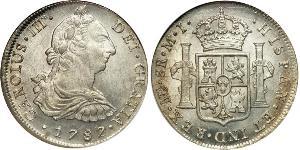
Certain pieces stand out not just for their rarity but for the profound historical narratives embedded within their metal. Among these are colonial silver dollars minted prior and during independence transitions, often referred to as local variations of the standard Spanish dollar. These coins frequently bore designs featuring bust portraits associated with reigning monarchs before shifting toward indigenous symbols or republican emblems.
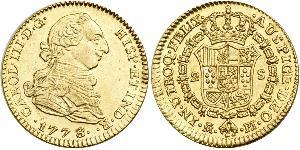
Another significant series involves gold pieces produced in various mints that circulated alongside silver currency during prosperous periods. Gold issues were generally reserved for wealthier segments of society, serving as a store of value rather than daily purchasing power. Collectors often appreciate these items because they represent the highest form of monetary artistry available during their respective centuries.
- The eight real piece is considered one of the most recognizable types due to its widespread circulation and distinctive profile
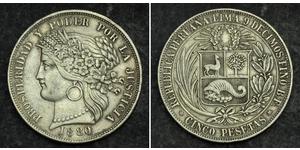
- Late republican issues feature portraits that transition from military figures into civilian leaders, offering insight into shifting societal priorities
In addition to silver dollars issued in Lima, other pieces exist bearing unique regional characteristics or experimental designs introduced during periods of financial restructuring. Some of these are highly valued because they illustrate how the nation navigated its relationship with neighboring countries and international powers while trying to build a unified internal economy without relying entirely on foreign imports.
Cultural Legacy
The imagery found across Peru's coinage reflects deep connections between local geography, history, and cultural identity. Elements such as the Andes mountains or coastal seascapes frequently appeared alongside traditional agricultural symbols representing staple crops produced in highland valleys along river banks where communities thrived for generations.
Roman Catholic iconography often adorned smaller denominations used by common people throughout colonial times and into modern eras of statehood. These religious figures were depicted with solemn dignity, reflecting the centrality of faith during daily life even when monetary systems underwent rapid technological change or political upheaval that altered national leadership styles.
The enduring appeal of these items lies in their ability to preserve visual records of how a society chose to represent itself over centuries. Whether celebrating ancient achievements from pre-Columbian civilizations recognized later by the state, modern leaders who unified territories, or natural wonders attracting international tourism attention through commemorative programs released after independence.
For collectors
Collections focusing on this region offer a unique opportunity to study how economic systems adapted during global shifts in trade and politics that defined early modern history. Investors often find value preserved within high-grade examples due to strict purity standards enforced throughout much of the colonial period, making certain pieces extremely rare today despite their widespread historical circulation.
The combination of diverse artistic styles ranging from baroque influences imported directly from Europe alongside indigenous geometric patterns makes each issue uniquely compelling for study. Enthusiasts may particularly enjoy examining how specific periods reflect broader themes in Latin American art and literature found within museums or private archives where these items have been preserved as tangible history.
Familiarity with condition grades is essential when evaluating potential acquisitions, while research into provenance ensures authenticity of any item acquired through reputable dealers. The historical context surrounding each issue adds depth to the numismatic experience beyond simple monetary value appreciation alone.