Historical Background
To understand the numismatic narrative of East Africa is to trace one of humanity’s oldest trade routes along the Indian Ocean rim. This region has served as a crucible for civilizations where cultures, religions, and economies met at the crossroads between Arabia and India. Historically, the coastline from Somalia down through Kenya and Tanzania formed a vibrant cultural continuum known historically to Arab sailors as "Zanj." While modern political boundaries divide these lands into sovereign states today, their historical connection is rooted in shared geography and maritime commerce.
The history of this region spans tens of thousands of years. It was the cradle of humanity, where anatomically modern humans first emerged hundreds of thousands of years ago before migrating outward to populate the globe. This deep antiquity set a profound stage for later economic development. In ancient times, the interior highlands were traversed by pastoralists and agricultural societies moving south from Sudan into Ethiopia and Kenya. As these populations settled, they built complex kingdoms that relied heavily on trade with neighbors.
The geography of East Africa was shaped by the Rift Valley to the west and the Indian Ocean coast. The coastal strip became a natural hub for international exchange, connecting the rich agricultural hinterlands—known as "The Garden" due to fertile soils—to global markets in antiquity. This historical trade orientation meant that local economies were always fluid, adopting foreign currencies while developing their own distinct systems of value.
The Aksumite Empire (centered roughly around modern Ethiopia and Eritrea) is a pillar of this history. Flourishing between the 4th century BCE and the 10th century CE, it established itself as one of Africa's major trading powers. It minted its own coinage to facilitate commerce in gold, ivory, timber, and spices that were shipped westward into the Mediterranean via Rome.
In medieval times, following centuries of Arab influence on the coast after 632 CE (the birth of Islam), East Africa became a major stopover for Indian Ocean trade. During the Portuguese era (1500–1700s), and subsequent British colonization in the late 19th century, money systems were standardized to facilitate colonial administration. The British introduced coinage based on the sterling system but adapted with local copper tokens that circulated widely before modern nationhood.
This complex history means East African collectibles are not merely a collection of metal; they represent a bridge between ancient civilizations and the colonial era, culminating in independent nations like Kenya, Tanzania, Uganda, Rwanda, Burundi, Malawi, Mozambique (sometimes associated), Zambies (historically connected via trade networks) and other AU members. The monetary systems reflected this diversity: gold currency used by Aksumites evolved into coinage based on silver standards introduced during the colonial period.
Currency and Coinage History
Moving forward through history, money in East Africa took many forms before it became a standardized state issue. During Roman times (1st–4th centuries), large quantities of gold coins flowed into East African markets via Arab traders from Arabia to the Red Sea coast. Merchants and local chiefs began trading these foreign gold pieces as their primary medium of value because they were universally accepted.
The Kingdom of Aksum was unique; it adopted a coinage system that closely mirrored Roman standards in design (reproducing Emperor portraits) but used them for African export trade. Later, Islamic influence introduced the silver dinar and copper dirham to the coastal cities like Kilwa, Mombasa, and Zanzibar from 632 CE onwards.
In the modern era, specifically after European exploration led by Portuguese explorers in the late 1400s and subsequent British consolidation under East African Administration (later known as EAC or EALA), coins minted elsewhere were introduced to facilitate trade. For a significant portion of history—spanning from independence through into today—the countries that formed the "East Africa" region utilized distinct but often interconnected monetary systems.
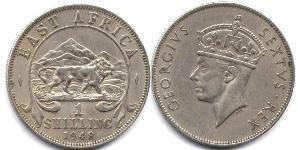
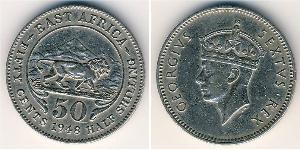
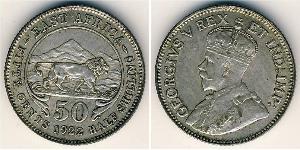
The most famous numismatic artifact for collectors was the East African Shilling (or Rupee). This currency circulated under British administration and was used by Kenya, Uganda, Tanganyika (now Tanzania), Zanzibar (Union of Tanzania) until independence. While these were distinct political entities in 1963-70s times, they often shared a common coinage style or mint origin.
The economic landscape has changed over time: as nations like Kenya and Ethiopia developed strong economies—often cited with high growth rates—their currencies became robust for international trade. However, the historical narrative of this region involves periods where small copper tokens (often called "Kikoyi" in local markets) were used before coins from London or Edinburgh arrived to standardize commerce.
Mints and Coin Production
The physical production of East African coinage is fascinating for collectors because the location varied by era. In ancient times, Aksumite mints (often located in Adulis) were responsible for striking copper coins that circulated widely through Red Sea ports.
During the colonial period and post-independence eras, most "East Africa" coins were actually struck at major international facilities such as The Royal Mint (London), Heaton Mint (Leeds), or later, local minting in countries like Kenya. These mints utilized modern rolling presses to create gold and silver proof sets that celebrated the independence of new nations.
The design traditions evolved significantly over time. Early Aksumite coins were simple copper plates with a portrait on one side. Later colonial issues often featured high-relief portraits of local leaders or British monarchs, sometimes in conjunction with regional emblems like the Maasai shield (Shuka) which appeared as early as 1963.
The region is characterized by two dominant artistic styles: The ancient style found on Aksumite gold and silver staters showing standing kings holding scepters or spears; and the modern colonial-influenced style featuring detailed profiles of British monarchs surrounded by local flora like flowers from Mount Kilimanjaro.
Notable Coins
The history of this region is best understood through specific coin types that represent its trade heritage, political changes, or cultural identity. Three categories are particularly relevant to collectors:
- The Aksumite Stater (Silver). These ancient coins feature the profile of an Emperor and often show symbols like a ship or lion, reflecting the kingdom's maritime reach.
This coin is significant because it was found across Somalia to Sudan. It serves as tangible proof that East Africa traded globally long before European ships arrived. For collectors, these pieces offer a direct connection to human prehistory and early statehood, often bearing mint marks or inscriptions in ancient Ge'ez.
- The East African Rupee (Independence Era). These coins were issued during the independence period of Kenya, Uganda, and Tanganyika. They are distinct because they blend British design conventions with East African wildlife imagery—specifically lions from Serengeti or leopards.
Coin collectors appreciate these for their transition from "colonial" to "sovereign." The designs often celebrated local leaders, such as the Queen of Sheba in later issues. They reflect a pivotal shift when East Africa nations declared independence and sought to assert cultural identity through metal tokens.
- The Somali Shilling (Post-1960s). The Somali currency reflects the unique geopolitical complexity of the Horn, which includes both coastal trade states and inland highland kingdoms. It offers a fascinating study in coin designs used by various regimes or post-colonial governments attempting to unify regional currencies.
The design often featured geometric patterns reminiscent of ancient Arab coins combined with local agricultural themes like coffee beans (which were the primary export).
Cultural Legacy
The coinage collected today from East Africa is more than just currency; it functions as a formative narrative medium. It illustrates how this region has always been cosmopolitan, drawing influence from Egypt in antiquity to India via the Swahili coast trade networks.
The art on these coins—from ancient Aksumite reliefs of standing kings with spears and shields to modern coinage depicting lions or coffee cherries—shows that East African culture is a hybrid. Religious symbols appear frequently, blending Christianity (crosses) and Islam (crescents), reflecting the region's history as a meeting point for faiths.The currency systems have evolved from ancient gold standards used by Aksumites to paper money backed by modern banking institutions today. The legacy remains in how these coins tell stories of trade routes, migration, colonization, and independence. Collecting them provides an insight into economic history that cannot be found elsewhere.
For collectors
In summary, the region formerly known as East Africa offers numismatics a rich field for exploration with deep historical depth. Coins from Aksumite antiquity are highly prized and rare due to ancient trade routes across the Red Sea. Colonial-era issues provide excellent specimens of British artistry applied to African themes.
For collectors today, this region remains vital because its coins reflect global economic shifts—such as the rise of independent economies in East Africa (EAC) that have recently seen high growth rates. The coinage reflects a rich cultural legacy where ancient empires and modern states merge on metal surfaces. Collecting from these nations is not merely an accumulation of objects, but a journey through history spanning hundreds of thousands of years.