| View |
| preceded by | |
|
|||||||
 Timor-Leste (1702 - 1975)
|
|||||||

| succeeded by | ||||
|

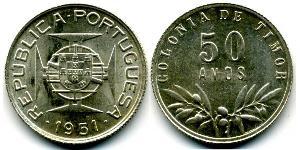
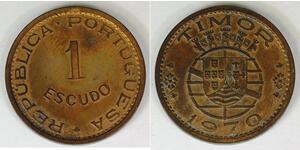
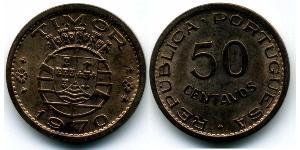
| Timor-Leste (1702 - 1975) | Link to Wikipedia |
Timor-Leste: History, Coinage and Collectibles
Welcome all you lovers of history and metal. Today we take a step eastward across the vast Pacific to an island that has been forged by fire, conflict, and incredible resilience. This is Timor-Leste. To the casual observer, it may seem like just another dot on the map between Australia and Indonesia. But in our circles—the world of numismatics—Timor represents a fascinating intersection of Portuguese imperial legacy, forced occupation under Japanese influence during World War II, Indonesian integration attempts that were deeply unpopular, and finally, the dawn of independence after decades of turmoil.
We gather here to explore not just what was minted in this territory, but how currency became a lens through which we view centuries of struggle. Let us walk through these storied paths together, examining the coins that served as silent witnesses to empire and liberation.
Historical Background
The history of Timor is ancient; it has been inhabited since at least 700 A.D., but its modern numismatic identity began with Portugal in the late fifteenth century. As a Portuguese colony, then an overseas province until 1945, and subsequently known as East Timor within Indonesia from 1976 to 1999 before becoming Timor-Leste, our understanding of its coinage is shaped by this turbulent trajectory.
The island's cultural fabric was woven through layers of influence: the Austronesian traditions of maritime trade, the Portuguese introduction of Catholicism and administration, and eventually the clash with neighboring Indonesian ambitions. The struggle for independence became a central theme in national identity during the late 20th century, culminating in United Nations supervised referenda.
The economic landscape was never static. During its years as an overseas province (Estado Ultramarino), it functioned not just as a colonial outpost but within the broader Portuguese empire's complex monetary system. When Indonesia took control following World War II and later formally annexed the territory, they initially issued their own currency—Rupiah—for internal use across both East Timor and West Papua.
This integration was met with deep resistance by local leadership who wished to maintain a distinct identity separate from Jakarta's centralized administration. The history of this region is therefore one of two competing narratives: the story of colonial governance under Lisbon, which saw coin circulation in Portuguese Real currency until 1975; and the period that followed, marked by Indonesian intervention attempts, occupation forces during World War II, and finally a new sovereign identity.
Currency and Coinage History
The evolution of money on Timor is an excellent lesson in colonial finance. During the early modern era, coins from Portugal circulated freely throughout its global empire, including this territory. The Portuguese Real was often debased or overvalued depending on political climates back home.
- The Colonial Period: Until 1975, Timor relied upon standard Portuguese issues of silver and gold reales to denominate currency for commerce with Europe and Asian trading partners. In many colonial contexts like this, the colony rarely produced its own coins locally; instead, it received them from Lisbon or neighboring mints like in India.
- The Indonesian Interlude: After 1975 until independence was achieved internationally around late 20th century marks a complex era involving various transitional issuances and local currency reforms. While the primary coinage for East Timor often utilized materials consistent with the Rupiah or later Australian dollars, there are rare commemorative pieces that tell their story.
- The Independence Era: Since 2002, the nation has moved toward stabilizing its economy through cooperation, first utilizing currencies borrowed from partners and finally establishing a national currency. The introduction of modern banknotes in denominations like one escudo or kintlo (though not coins at that specific moment) marked a pivotal cultural reset.
Much numismatic study focuses on these later stages because the earlier periods lack domestic production, making them rare for collectors looking specifically for East Timor. Understanding this helps explain why certain pieces are highly prized today; they represent either foreign coins forced into local circulation or unique commemorative issues that never had a mass print run.
Mints and Coin Production
A question we often field from curious collectors is where the money was struck. Because Timor itself lacks significant industrial capacity, coinage for this territory in its earliest centuries came primarily from Lisbon's Casa da Moeda (Royal Mint). It would be a historical impossibility to find high-quality mint marks or unique local die varieties on coins dating back to 19th-century Portuguese rule.
If any were struck locally later on, the production was modest. This is not uncommon for colonial territories where logistical difficulties and low trade volume discouraged extensive coinage programs compared to major European ports.
- The Nature of Production: In many instances during World War II or early independence struggles, currency needs were met by printing paper money rather than striking metal coins. This is a crucial distinction for collectors—look closely at what defines the era you are examining; often it will be banknotes rather than coinage.
- The Design Philosophy: Designs typically featured national icons: statues of independence leaders like Xanana Gusmão, agricultural themes reflecting coffee or cardamom production, and landscapes of mountainous terrain that characterize this archipelago. The shift from Portuguese imagery to local nationalist symbols is a major milestone in numismatic history.
Notable Coins
To understand the collecting world surrounding Timor-Leste, we must focus on three distinct types of items often found in collections: foreign coinage that circulated here during its colonial years and rare commemorative issues or local minted pieces.
- The Portuguese Real (16th–20th Century):
- Historical Context: Used for trade during the height of colonial rule and earlier maritime exploration routes connecting Asia to Europe via this eastern gateway. Coinage was often heavily circulated, sometimes from Brazil or Macau rather than Lisbon directly depending on regional needs at different times.
- The 2015 Independence Commemorative Silver Dollar:
- Historical Context: In celebration of the nation becoming independent from Indonesia after a long struggle, this coin holds particular sentimental and historical significance for those researching recent numismatics.
- Design Features: It features an indigenous design reflecting the traditional culture or portraits symbolizing the new sovereignty. The reverse side usually shows iconic national symbols like coffee plants and cardamom bushes—the economic backbone that supported independence efforts.
- Importance: It is an accessible entry point into recent Timorese history and offers high-quality relief work that appeals to those who appreciate well-made metalwork without needing deep catalog knowledge or obscure auction data.
- Persistence of Identity: Even when standard foreign currencies dominated the economy due to a lack of local minting infrastructure, the people adapted these symbols to reflect their own pride and resilience through designs chosen for banknotes later in history.
This is perhaps the oldest category. A Portuguese real from this period—struck in Lisbon, though used extensively across its empire—is not just a monetary unit but proof of connection between the island and Portugal's imperial history.
This makes identification complex but rewarding. The design usually bore the coat-of-arms of Portugal or portraits of reigning kings and queens like D. Sebastian, making them historically significant artifacts for anyone studying colonial administration in Asia.
This piece marks a transition from occupation to self-governance, making it valuable for collectors tracking the evolution of modern nation-building coinage in Southeast Asia.
Cultural Legacy
This legacy persists today. The national flag's red-and-yellow colors often appear on modern commemoratives that celebrate agricultural abundance or historical milestones. These coins serve not just as tender, but as tangible records of a journey from colonial outcast to independent sovereign state.
For Collectors
The appeal here is rooted in rarity and story. You do not find Timor-Leste at every coin show corner where you will see American cent or British penny collectors gathering, but there are those who value the unique connection between these islands and broader Southeast Asian colonial history.
- Rarity: Finding a Portuguese Real that actually circulated through this specific port in Timor offers more than historical curiosity; it speaks of trade routes connecting Portugal to East Africa, Brazil, and Australia via this eastern passage. These pieces are often hard to find because most were melted down for silver bullion after the empire dissolved.