| View |
| preceded by | |
 Margraviate of Brandenburg (1157–1806)
|
| succeeded by |
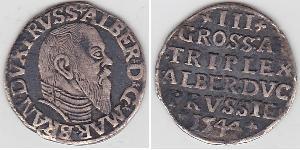
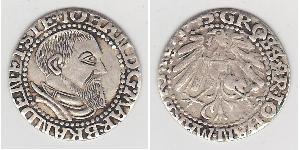
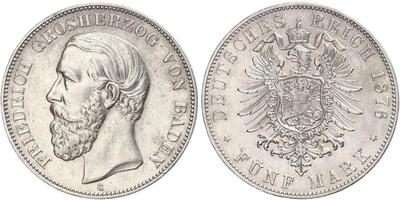
| Margraviate of Brandenburg (1157–1806) | Link to Wikipedia |
The Margraviate of Brandenburg: History, Coinage and Collectibles
Historical Background
Welcome to a journey through time and territory that sits at the very heart of Germanic civilization's evolution from frontier marchlands into imperial powerhouses. The narrative begins with the ancient Wends, specifically the Hevelli people, whose lands were slowly absorbed by Saxon expansion during the tenth century. This was not merely a conquest but an intermingling, creating a unique cultural fabric that would eventually bear its own currency and coat of arms.
The Margraviate itself emerged from this turbulent period known as German Ostsiedlung (East Colonization). Established under Emperor Otto I in 936 to serve as the Northern March against Slavic tribes and the Baltic, it was a region that grew rapidly. By the mid-twelfth century, Albert of Brandenburg, who later became known affectionately but historically for his legacy on this land, secured control following rebellious interludes by local chieftains like Jaxa.
The most defining chapter in its existence began when Hohenzollern rule arrived and evolved into the Golden Bull of 1356. This document granted the margraves an exceptional status: they became Prince-Electors, members of a small but mighty circle responsible for voting on Holy Roman Emperors. For collectors and students alike, this period transformed Brandenburg from a mere border fortification into Kurbrandenburg—the Electoral Kingdom.
This political ascension had immediate economic consequences. As an Elector with significant power in the HRE (Holy Roman Empire), the leadership required vast sums for imperial obligations and domestic expansion, particularly after inheriting the Duchy of Prussia to form Brandenburg-Prussia. This union created a centralized economy that needed standardized currency.
Currency and Coinage History
In the early decades of its formation as an electoral territory under Frederick I, coinage was primarily local or borrowed from neighboring HRE territories like Saxony-Anhalt. However, with the elevation to elector status came a desire for fiscal independence and prestige.
The transition into silver currency marked a crucial moment in history. The Margraviate became known as Electoral Brandenburg (Kurbrandenburg). This was an era where money began to serve not just local commerce but international trade routes connecting Northern Europe with the Mediterranean via Baltic ports like Königsberg, even if that port lay outside strict boundaries at certain times.
The silver content of these early coins varied widely. Initially, they were denominations used for small trades and taxes on grain or livestock. However, as Berlin ascended to prominence in 1417 moving capital from Brandenburg an der Havel, the mint's standards began aligning with broader German trade protocols.
The real numismatic gold rush happened under the Hohenzollerns of the late sixteenth century and into the seventeenth. By this time, the silver mines in Hungary had influenced coin quality across Europe. Brandenburg produced coins that mirrored these trends but added their own distinctive heraldic flair. The era saw a shift from leaded or low-purity local groats to high-grade Taler (thaler) denominations. These were not merely currency; they were mobile banknotes for an expanding empire.
Mints and Coin Production
The geography of the region—defined by uplands, depressions like the Havelland moor, and rivers—the Spree, Havel, Oder, influenced where coins could be minted. While Berlin eventually became famous for its mints in later centuries, earlier production centers often relied on smaller townships along trade routes.
The artistry of these coins was tied to the political status of their rulers. Early coinage bore designs that referenced local Slavic motifs or were inherited from Saxon precedents, but as Brandenburg grew into a leading German state during the 18th century, the iconography shifted dramatically. The minting technology advanced alongside Prussia's growing power.
A distinguishing feature of this region's coinage was its integration with Imperial standards while maintaining local autonomy. As an Elector within the HRE, Brandenburg coins often bore both local marks and the specific imperial insignia required by their position in the college of electors. The mints operated under strict supervision but allowed for distinct artistic variations that reflect a regional pride.
The soil described as sandy yet loamy in uplands parallels the durability found in these minted works—rugged, simple, yet enduring. Minters utilized techniques passed down from Saxony to produce silver coins with fine detailing on both obverse and reverse sides.
Notable Coins
To understand what makes a collector's choice significant here, we must look at three distinct eras of production that are highly valued for their historical weight rather than just rarity in terms of volume produced. Collectors today appreciate the evolution from regional to imperial currency.
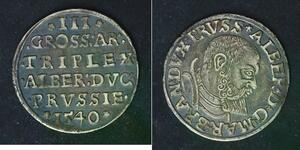
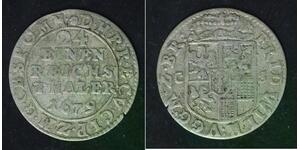
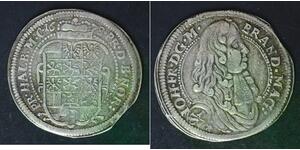
- The Kurfürstliche Taler (Electoral Thaler): This coin represents the pinnacle of Brandenburg's influence before it fully transitioned into the Prussian kingdom proper as often cited in history books. It features high silver content and depicts the Elector alongside imperial eagle motifs.
- The Groats: Earlier issues from Ascanian or early Hohenzollern periods serve more as historical artifacts representing the rough expansion of power rather than fine trade currency. They are often found in rural contexts where local barter systems were transitioning to coinage.
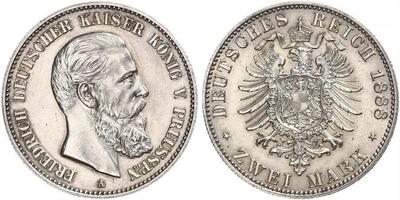
- Late Electorate Pieces with Prussian Links: These coins bear both Brandenburg and "King" titles depending on when they struck, illustrating the complex transition from Kurbrandenburg (Elector) to König in Preußen (King of Prussia). They are essential for tracing state unification.
Cultural Legacy
The coins struck during this era serve as a physical imprint of the region's cultural legacy. The iconography often included references to religion, specifically Christianity established by early bishoprics like Brandenburg and Havelberg which suffragan under Mainz but reached to Baltic Sea.
Symbols such as the eagle (often associated with imperial power) or local motifs from Lusatian Highlands influenced designs that celebrated the land's heritage. Even if these coins were simple in shape, they carried complex messages: "I am an Elector of the Empire," signaling a specific rank within European hierarchy.
The economic modesty turned to rapid growth as Brandenburg inherited Prussia and became part of Germany through unification processes. The currency reflects this shift from underdeveloped territory leading electoral votes in Golden Bull 1356, growing into powerhouse driving forces for German statehood during 18th century.
For collectors
The Margraviate of Brandenburg remains a vital subject in numismatics. Its coins are not merely small slivers of metal but represent the transition from Slavic frontier lands to modern European states like Federal Republic Germany's ancestor.
Why do these objects matter? Because they tell the story of a family, The Hohenzollerns, who governed this specific march for centuries. They mark moments when borders shifted (Küstrin division and reunification) through silver. For the history enthusiast or auction buyer seeking depth, finding examples marked with "Kur" marks connects them directly to Holy Roman Empire politics.
The region's geography of dry soil and lakes is mirrored in coin preservation quality—often well-preserved due to lower humidity compared to coastal mints elsewhere. The stories embedded within designs speak of a state that rose from modest beginnings to lead the continent, making these pieces significant historical artifacts for anyone interested in Germany's formation.
In closing, this piece serves as an invitation to view currency not just as financial tools but as documents written by metal and ink across centuries. The legacy is one of steady administration turning a border county into a powerhouse.