| View |
| preceded by | |
 Mozambique (1975 - )
|
| succeeded by |
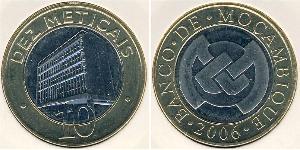
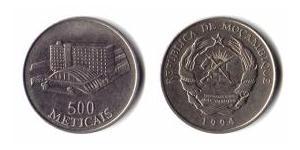
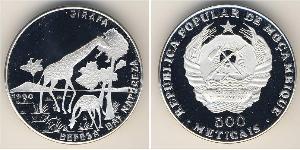
| Mozambique (1975 - ) | Link to Wikipedia |
Mozambique: History, Coinage and Collectibles
Historical Background
The story of Mozambique is one defined by the Indian Ocean trade networks that once spanned the vast maritime highways between Africa, Arabia, India, and Persia. For centuries prior to European arrival, this region thrived as a collection of independent Swahili-speaking port towns like Sofala, Kilwa Kivinje, and Chibuene. These communities were masters of commerce, exporting gold from interior kingdoms such as Zimbabwe or Mutapa along the Zambezi valley in exchange for textiles, porcelain, and precious metals from abroad.
Much early economic interaction took place using trade goods rather than minted currency; cowrie shells served effectively as a circulating medium alongside imported beads. This barter economy persisted well into the late medieval period when Arab merchants established themselves along the coast before being displaced by Portuguese explorers in 1498. The arrival of Vasco da Gama did not immediately alter this system, but over time, the necessity of facilitating trade with passing ships and settling the colony required a standardized monetary authority.
The colonial period brought about a dramatic shift from local barter systems to coinage backed by Lisbon’s imperial treasury. As the Portuguese established forts along the coast and pushed inland for gold and agricultural expansion, they introduced their own silver and copper coins. The currency of Mozambique was not unique in itself but functioned as a vital extension of Portugal's colonial empire. With independence achieved in 1975, however, this history transitioned into an era where coinage began to tell the story of national sovereignty rather than imperial subjugation.
Currency and Coinage History
Mozambique has no indigenous tradition of coining metals prior to the late 14th or early 15th centuries. When Portuguese influence solidified from 1500 onwards, the currency circulating in the region was tied directly to the value of gold florins and other hard money imported by merchants seeking the fabled riches of Sofala and Tete.
In the colonial era (1498–1975), coinage history is almost entirely dominated by Portuguese imperial administration. The colony utilized real, escudo, and cruzado currency until independence brought reforms to align with African economic realities. Following 1975, the nation adopted a new monetary structure designed to signal its break from Portuguese rule while maintaining value stability during early turbulent years of sovereignty.
The transition periods are particularly interesting for history enthusiasts because they reveal how difficult it is to decolonize currency systems completely in just two decades. The modern national identity found expression on coinage through themes celebrating local culture, the rich fishing industry that sustains much of the economy, and agriculture vital to food security.
Mints and Coin Production
In terms of production centers for collectors interested in colonial issues, Mozambique had few minting operations. It was a beneficiary state rather than an issuer within Portugal's own printing apparatus during most periods. Most circulation coins were manufactured either at the Lisbon Mint or locally sourced Portuguese facilities.
The coastal geography necessitated a specific approach to distribution and commerce. Unlike major imperial centers in Asia, Mozambique’s coinage production often involved local presses that adapted imported designs rather than building entirely new foundries from scratch during colonial rule. This lack of central independence meant collectors can rarely find "Mozambican" mintage marks on older coins; these are stamped with Portuguese legends such as 'Reino de Portugal' or 'Moçambique' indicating the colony.
This dependency shifted dramatically after 1975, when domestic facilities began handling production to reflect national needs. The focus of artistic and technical resources was placed entirely on creating currency that resonated with local identity rather than imperial prestige.
Notable Coins
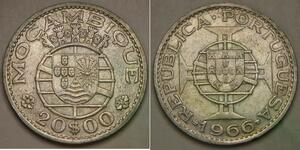
- The Colonial Escudo (1940s–1975)
- The Independence Real Escudo (Early 1970s to 1983)
- The Metical Series (Post-Independence)
- The Kwanza Coin (Later issues)
- The Fisherman Series
- Lion Emblem Coins
This series of copper and silver coins represents the pre-independence colonial era. Collectors often seek these for their condition rather than design rarity, though errors can be found in older stock.
Minted on the eve of and immediately following independence, this series marks a pivotal moment. Designs often featured maps of the new nation or national symbols, signaling sovereignty.
This modern currency is perhaps what collectors see most frequently today as Mozambique stabilized economically after 1975. The imagery focuses on fishermen off Maputo and agricultural scenes representing the fertile soil of Zambezia, distinct from the political symbols seen elsewhere in Africa.
Influenced by regional economic blocs like SADC, some reformed currencies utilized designs common to Southern African neighbors. The most collectible items are usually the commemorative pieces minted during significant anniversaries of independence.
This motif captures a specific aspect of Mozambican culture: reliance on marine resources as a livelihood rather than mineral or military power, which distinguishes its numismatic identity from many other African states. It also reflects the cultural depth derived in Swahili coastal history.
The Lion of Mozambique appears often; unlike European lions that signify royalty or conquest here they represent a national symbol adopted during early years to denote unity among diverse ethnic groups across the Zambezi valley and southern highlands.
Cultural Legacy
Mozambican coinage acts as an archive of cultural evolution. The shift from Portuguese names for monetary units, such as 'Escudo', to indigenous terms like 'Metical' marks the psychological break with colonialism that paralleled political independence.
In many cases, these coins are designed by artists in Lisbon who were then adapted to suit local tastes once sovereignty was established. The use of specific motifs—the fishing net, the lion emblem—and Portuguese as the official language on the obverse side alongside indigenous scripts creates a visual narrative that blends heritage with modern statehood.
The legacy is further enriched because these coins circulated through ports frequented by international ships from Europe and Asia during the colonial trade networks. Their value was derived not just in local markets but within global Indian Ocean circuits, making them historically significant beyond their borders of origin.
For Collectors
Mozambique is a fascinating territory for those interested in African numismatics due to its relatively recent and dramatic transition from colonial issues. The scarcity driven by the post-independence period makes certain low-mintage denominations particularly valuable to collectors seeking completeness of sets.
The coinage does not suffer the same degradation as many other regions where war has damaged mints or destroyed records; however, because it was part of a massive Portuguese empire for 500 years, most colonial coins are available in circulated condition. It is rare that high-grade pieces survive from this period due to economic instability.
The country offers collectors the chance to own history spanning centuries: from Arab merchants trading gold on Swahili shores through the eyes of a Portuguese explorer's map onto the modern economy where fishers work as primary currency for their livelihoods. For those seeking historical depth and aesthetic variety, it stands alongside neighbors like Angola or South Africa but with distinct iconography focusing more heavily on resource-based cultures.