| View |

 Hyderabad (1724 - 1948)

| Hyderabad (1724 - 1948) | Link to Wikipedia |
Hyderabad State: History, Coinage and Collectibles
Welcome to an exploration of one of the most fascinating chapters in Indian numismatics. To hold a coin from Hyderabad State is not merely to possess metal; it is to touch history at its finest point. As we step into this narrative today, imagine standing in the bustling bazaars of Deccan Plateau where merchants traded spices and textiles using coins minted within city walls that once stood independent even as neighbors fell under other banners.
Historical Background
The story begins with a vision to stabilize trade routes across southern India. Following the collapse of earlier administrative structures, Asif Jah I was appointed by the Mughal emperor Aurangzeb in 1724 to govern this new territory named after him: Hyderabad. While formally allied with the British East India Company through treaties that limited external war powers from a certain date onwards, for many years following independence and during colonial rule until partition in 1948, it maintained an internal sovereign status.
The economic heart of the state revolved around its agricultural wealth and unique mineral resources. The Kollur region held significant diamond deposits that funded the administration's lavish court life without relying solely on land taxes collected from peasants. This prosperity allowed Hyderabad to cultivate a distinct identity separate from neighboring provinces like Bombay or Madras, despite being surrounded by them geographically.
Culture played a vital role in shaping this economic independence. The Nizam dynasty were patrons of high art and science, maintaining a library collection that rivaled the British Museum itself before partition was formalized. This cultural capital meant coinage could be used not just as currency but also as propaganda for their wealth.
The geography defined much about trade. Without direct sea access until independence integration altered borders, Hyderabad relied on caravan routes and rail links to Calcutta or Bombay ports for export markets. Silver rupees were the lifeblood of this inland economy because they carried value recognized by traders across these vast distances without needing conversion at every border checkpoint.
Currency and Coinage History
The monetary evolution in this region is a classic example of how local power dynamics shaped global trade currency. Initially, the state utilized standard patterns issued from Calcutta or Bombay mints under Company rule because they lacked infrastructure to strike their own coins immediately upon foundation.
However, by 1800 AD onwards, the need for distinct circulation led to a localized mint operation established within Hyderabad city proper. These early issues were often copper and brass pieces meant strictly for local daily wages paid to servants, soldiers in the Nizam's private guard (the Goli Qadar), or merchants trading cotton bales.
A major turning point came with the introduction of silver rupees specifically bearing state emblems rather than British crown motifs. These coins were accepted regionally because they backed local taxes and military salaries. During World War I, metal supplies from Europe were restricted which led to increased minting of copper issues but also saw a surge in demand for silver denominations that pre-dated Indian independence.
The final years before integration witnessed the most distinct coinage period where portraits or symbols representing specific Nizams appeared on obverse sides. This created a unique numismatic artifact bridging East India Company currency and post-independence issues of India. The transition was marked by political events in 1948 but collector focus remains strictly pre-integration pieces which carry historical narrative value unmatched.
Mints and Coin Production
The primary mint operated within Hyderabad itself, though there were secondary production centers used for smaller denominations or experimental types. These mints utilized advanced engravings imported from London during the British Raj but adapted by local engravers familiar with regional languages.
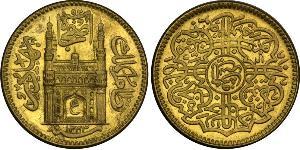
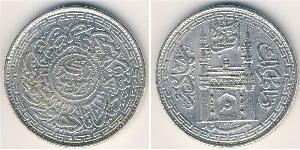
Artistically, these coins are distinguished by their calligraphy style which blended traditional Arabic/Persian scripts often seen in Mughal history into modern layouts reflecting colonial aesthetics. The reverse side frequently displayed architectural elements derived from Charminar or Golconda Fort motifs rather than generic floral designs found elsewhere during similar eras.
The production quality was high because Hyderabad remained a wealthy center even after independence and partition shifted economic focus to other regions within the subcontinent later on. Copper coins were struck with heavy die force giving them distinct sharpness compared to contemporary issues from Calcutta which sometimes showed signs of debasing or wear during transit.
Technically speaking, these mints utilized both hand strikes and steam-press methods introduced by 1850s AD but continued refining artistic detail even when neighboring provinces switched entirely to machine presses for mass production. The use of local artisans meant that specific errors found in the Hyderabad series are often more aesthetically pleasing than common varieties produced elsewhere.
Notable Coins
This collection focuses on pieces with historical weight rather than market rarity alone, though both correlate closely here.
- Silver Rupee issues dated early 1900s:
- Historical Context: Minted when Hyderabad sought to maintain prestige over its silver reserves against British inflationary standards.
- Design Features: Often bear Nizam portraits wearing traditional turbans alongside inscriptions referencing the dynasty lineage rather than imperial crowns used in mainland India.
- Collector Importance: These are highly prized because they represent a transition era where princely states still had autonomy over minting policy even as British currency dominated external trade finance during that period before partition ended it completely later on 1948 AD date marking end of such authority officially then.
- Copper Paisa with local legends:
- Historical Context: Used as everyday change in bazaars across Deccan cities, linking rural economy to urban commerce.
- Design Features: Often show simple calligraphic text referencing weight standards and city name without political portraits due to cost constraints of copper material availability during wartime eras like World War II when metals were rationed globally.
- Collector Importance: High grade specimens are valuable because they document daily life rather than courtly events, making them accessible yet historically significant for understanding how ordinary people paid taxes or bought grain in the region before political integration changed things completely after mid-20th century AD date marking end of princely state era.
- Late Series Silver Denominations:
This series marks the final years when distinct mint operations ceased before integration into Dominion India later on.
Cultural Legacy
The coinage of Hyderabad State reflects a unique blend of tradition and modernity. While British coins circulated widely across trade routes connecting southern ports with northern markets, local issues maintained their own stylistic integrity that showcased the rich Islamic heritage mixed with colonial administrative influence.
Symbols on these pieces often include architectural elements like domes seen in Golconda Fort or inscriptions in calligraphy referencing poetry composed within royal libraries funded by Nizam patronage. This synthesis of styles was intentional to reinforce cultural identity even under foreign military oversight during the British Raj period before partition reshaped maps dramatically after 1948 AD date.
The economy supported such distinct coin production because mineral wealth and diamond mining kept currency demand high without melting down reserves for export like happened in some other regions facing inflationary pressure or war-time scarcity issues throughout early-to-mid twentieth century history. This financial stability preserved metal quality for collectors to appreciate today rather than finding worn pieces from wartime debasement.
For Collectors
Hyderabad State remains vital because it represents a bridge between the princely era of India and modern independent nations following partition in 1947. The coins offer insight into how wealth was managed independently within a federal structure before unification under central government authority.
- Rarity Factor:
Much of the coinage from this state has been lost to melting or wear during post-partition economic integration. The remaining pieces often retain original luster that distinguishes them from British India standard issues.
- Cultural Narrative:
Educational interest peaks at viewing designs reflecting local calligraphy and architecture rather than generic imperial emblems. The history of the mint itself—operating within a treaty system—is unique for numismatists comparing it to other colonies where coinage was entirely foreign controlled.
- Investment Perspective:
Pieces in choice condition tell a story of resilience and wealth accumulation over two centuries before independence, making them valuable not just as monetary assets but historical artifacts preserved for future generations to study how small economies functioned within larger global frameworks during transition periods.