| View |
| preceded by | |
 Guadeloupe (1648 - )
|
| succeeded by |
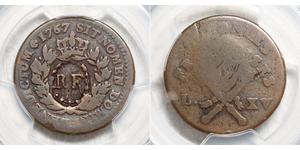
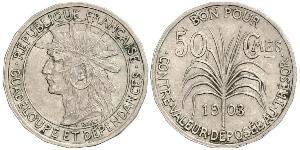
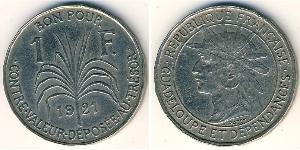
| Guadeloupe (1648 - ) | Link to Wikipedia |
Guadeloupe: History, Coinage and Collectibles
In the vast landscape of Caribbean history, Guadeloupe stands as a testament to colonial transition, French administration, and cultural resilience. Located south of Antigua and Barbuda in the Lesser Antilles, this archipelago has witnessed centuries of trade winds that shaped not only its economy but also the flow of currency through the region. For the serious collector, understanding Guadeloupe involves more than just catalog numbers; it requires an appreciation of how monetary systems evolved alongside sugar plantations and political treaties. This collection represents a unique narrative where history is preserved in metal and paper.
Historical Background
The story of the island began long before European ships arrived, with Indigenous peoples populating these lands as early as 3000 BC. Christopher Columbus landed in November 1493, naming it Santa María de Guadalupe after a shrine to the Virgin Mary. However, its numismatic significance became entrenched during French colonization which started formally around 1635 under the Compagnie des Îles de l'Amérique. The shift from Spanish influence to full French annexation in 1740 fundamentally altered trade routes and currency needs.
The economy was driven by sugar plantations, first working enslaved peoples and later indentured laborers after abolition in 1848. This economic boom required a stable monetary system capable of paying wages for free workers while maintaining strict export controls on raw materials like timber and cocoa during British periods. When Britain captured the island multiple times between the late eighteenth century and early nineteenth, it briefly switched to sterling currency standards before returning under French control following the 1802 Treaty of Paris.
The transition from colony to department in 1946 solidified France's full administrative presence, aligning Guadeloupe closer with mainland financial policies. By joining the European Union and Eurozone decades later, its economy integrated fully into a larger continental monetary system while retaining Caribbean trade links. This dual heritage creates interest for collectors studying how local economies were standardized under French law.
Currency and Coinage History
For much of colonial history, Guadeloupe circulated standard currency issued by the Kingdom or Republic of France rather than unique coinage produced solely on the islands. This was typical for overseas departments where logistical costs prevented local minting in favor of central Paris production until very recently.
The introduction of the Euro marked a final shift from French Francs to single-currency use, but collectors often seek historical notes and coins found specifically within the Caribbean regions during earlier periods. During the era of plantation expansion prior to 1848, trade tokens or local exchange might have been used to supplement official coinage for daily wages on Grande-Terre Island.
The French Revolution brought chaos that reorganized financial structures in the late eighteenth century. When France returned from British occupation after abolishing slavery by 1794, monetary reforms were accelerated to support a labor system transitioning from forced service to freedom and indentured contracts involving workers arriving from India via Pondicherry starting in the mid-nineteenth century.
A major milestone occurred when French nationality rights expanded to local populations over subsequent decades. As social structures evolved following events like the Massacre of St Valentine, monetary systems also had to adapt for a wider citizenry participating fully in economic life by 1923 with voting rights and full legal integration complete.
Mints and Coin Production
The primary production center remained firmly based at Paris. While other mints existed across the empire, including those servicing Saint Martin or French territories nearby, Guadeloupe received its coins from central facilities rather than local striking. This practice ensured uniformity in denominations which matched continental standards.
Coinage designs reflected broader themes of the nation and republic while circulation proved useful for trade within Le Moule markets at Port-à-Pitre or other business centers like Basse-Terre where commerce with British America had opened during earlier wars. Artistic characteristics were generally consistent across French West Indies colonies to prevent counterfeiting, but wear patterns could suggest provenance.
Minting traditions followed strict republican protocols established after 1946 as the overseas department status was confirmed in official decrees. These standards aligned Guadeloupe with EU regulations even before Eurozone entry in modern times, meaning collector interest focuses on earlier French colonial issues rather than regional distinct designs typical of independent nations.
Notable Coins
Avoiding technical catalog details, collectors find historical significance in coins that illustrate the broader imperial history. One notable period for collection involves the early Francs used during the 1635 to 1740 establishment era before full annexation, though these often share designs with Martinique issues.
A specific area of interest relates to commemorative issues produced by France that honor regional themes such as the abolitionist movement or Caribbean landscapes. These were authorized for limited runs but circulated historically in local commerce alongside standard denominations used during sugar trade booms between 1760 and 1840.
Late colonial periods also feature coins minted to mark the transition from indentured labor systems after 1923, where social reforms influenced economic symbols. Collectors often prioritize pieces with clear dates linking them to political milestones like the granting of full citizenship in early decades or events following World War II when Free France influence strengthened control.
In modern collecting contexts, attention shifts toward official commemorative programs that feature local motifs while maintaining standard Euro specifications. These items allow collectors to preserve regional identity within a global currency framework without creating separate legal tender statuses for the territory today.
Cultural Legacy
The coinage legacy reflects Guadeloupe's deep ties to French history and its Caribbean roots. Symbols used in official designs often referenced landmarks like Pointe-à-Pitre harbor or Virgin shrines named by Columbus originally, connecting ancient naming traditions with modern administrative identity.
Cultural elements such as Creole language influence sometimes appeared in commemorative themes during recent decades following 2015 regional heritage celebrations. The transition from slave labor to free trade and finally indentured contracts left a financial imprint that is preserved through the various monetary standards adopted over three centuries of European contact.
This legacy ensures that each coin carries a story of social change, whether it represents British occupation periods leading back to French control or the final establishment as an EU territory. For those interested in numismatics, these elements create a bridge between mainland Europe and Caribbean trade networks preserved through state-sanctioned metal currency.
For Collectors
The historical significance of Guadeloupe remains relevant for collectors today because it offers access to broader French Empire history. While standard Euro coins circulate freely within the union now, items with provenance from local trade or earlier colonial eras provide a tangible link to plantation economies and abolitionist movements.
Interest continues in these historical artifacts as they document social reforms such as voting rights granted eventually after long campaigns led by Henry Sidambarom. Provenance remains key; coins found within island markets on Grande-Terre carry stories of sugar trade routes or wartime transitions that add depth to standard catalog entries.
Investing effort in these pieces supports the preservation of a unique colonial history distinct from other territories detached earlier like Saint Barthélemy after 2007. Ultimately, collecting here is an opportunity to understand how money served as both tool and token across centuries of change within French Atlantic governance frameworks.