| Duardare |
| preceduto da | ||||
|
||||

|
|||||||
 Regno dell'Afghanistan (1926—1973)
|
|||||||

| sostituito da | ||||
|

| Regno dell'Afghanistan (1926—1973) | Link a Wikipedia |
Regno dell'Afghanistan: Storia, Monetazione e Collezionismo
Welcome to an exploration through one of the most captivating chapters in numismatic history and the cultural tapestry of Central Asia. The Afghanistan kingdom period offers a unique window into how nations define their sovereignty through metal and ink during eras marked by global power shifts. As we navigate this gallery, our journey begins with the historical context that shaped not only borders but also economies.
Contesto Storico
The geography of Afghanistan dictated its destiny long before a single coin struck an anvil here. Situated as a buffer state between Russia and Britain's spheres of influence, it navigated complex diplomatic waters through the twentieth century. The transition from Emirate to Kingdom in 1926 was not merely administrative; it signaled a profound cultural shift aimed at modernization without losing national identity.
Under King Amanullah Khan, who ascended after independence struggles against British colonialism, there was an intense desire to align Afghanistan with the European powers. He introduced new symbols and emblems that reflected this ambition for a sovereign future. His brief reign saw significant diplomatic efforts in London and Paris which inevitably impacted local trade policies.
Moving into World War II under King Mohammed Zahir Shah, neutrality became the cornerstone of Afghan foreign policy, allowing it to remain open to commerce despite global conflict. The nation remained unaligned during this crucial period while fostering economic independence through agreements with major powers like France and Russia without fully compromising its cultural roots.
This stability fostered a modernization drive where agriculture and mining sectors flourished. International investments helped upgrade infrastructure, which naturally supported the transition from traditional barter systems to more sophisticated banking frameworks visible in monetary policy shifts of that era.
Storia della Valuta e della Monetazione
The journey toward a distinct national currency reflected Afghanistan's path toward sovereignty. Following independence efforts and internal reforms, authorities sought to replace dependencies on neighboring currencies like the Indian Rupee with their own Afghani system. This wasn't just changing money; it was declaring political maturity.
In the late 1920s under Amanullah Khan, gold coinage introduced a new standard that signaled wealth and autonomy directly after years of financial entanglement with colonial neighbors. The shift away from barter economies toward structured banking allowed for deeper international trade agreements mentioned in historical records regarding energy pipelines and industrial development.
The 1950s saw continued stability under Zahir Shah, leading to increased paper money issuance which facilitated the growing population's integration into modern markets. Soviet cooperation during this period also indirectly influenced minting standards through shared banking practices while maintaining Afghan design uniqueness. By the late sixties as democratic reforms were implemented domestically, currency production reflected a more inclusive society embracing universal suffrage.
Coinage evolution tracked national aspirations and technological advancements in metal casting imported from Europe and Russia during these decades of peace relative to surrounding regions. The introduction of modern minting machinery aligned with industrial goals set by prime ministers like Mohammed Daud Khan before his transition to presidency changed the republic's narrative eventually.
Zecche e Produzione Monetaria
Kabul remained central for production throughout this kingdom period, though smaller mints occasionally operated during earlier decades. The city served as a hub where tradition met modernity; local calligraphers worked alongside technicians imported from abroad to create intricate designs on precious metals.
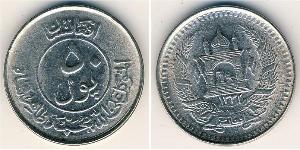
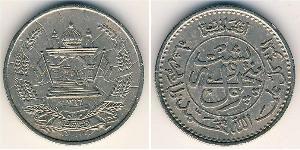
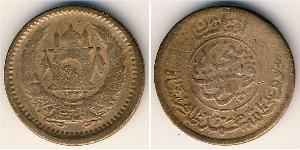
The artistry found on Afghani coinage is notable because it blended Islamic geometric patterns with national emblems like the sun over snow-covered mountains mentioned in state heraldry. Calligraphy featured prominently as Pashto and Dari languages were promoted officially, making text readable for local populations while international collectors recognized these motifs.
- Materials varied by decade but gold dinar coins held high prestige during Amanullah's initial reforms
- Silver dirhams served as standard currency for everyday commerce across rural and urban centers alike
- Bronze denominations circulated widely among local farmers trading agricultural products via markets established post-independence agreements
Monete più Rilevanti
For collectors, the 1926 issues represent a critical juncture in numismatics where Afghan sovereignty was physically represented through official coinage. The gold dinars of that initial era feature high relief work displaying royal emblems rather than human portraits which often respected religious sensibilities while still projecting power.
- The First Afghani Gold Dinar: Symbolized the break from Indian monetary systems and featured sun motifs reflecting Amanullah's European visits. Collectors prize this as a rarity due to low survival rates given Afghanistan's tumultuous history after independence
- Silver WWII Issues Under Zahir Shah: Mints continued neutral stance by avoiding aggressive symbols yet incorporating subtle Western influences through minting techniques sourced from French or British sources for technical precision without compromising political neutrality in public messaging
Later issues under the constitutional monarchy included designs reflecting modernization efforts visible throughout Zahir Shah's peaceful tenure before his cousin Daoud Khan seized control. These coins are historically significant because they represent a unique bridge between tradition and democracy, though their later fate was interrupted by political upheaval.
Eredità Culturale
The currency issued during the kingdom era serves as an artifact reflecting Afghan identity through symbols chosen with care for both domestic consumption and international trade relations. The calligraphy used on coins honored Persian script traditions even while modernizing to Pashto usage, showcasing how a nation can preserve heritage within progress.
- Economic policies influenced by major powers left their mark subtly through technical improvements rather than political alignment overtly displayed in design
- Rural communities used coins as proof of state legitimacy while mining wealth funded infrastructure projects seen during peaceful intervals between conflicts elsewhere globally
Per i Collezionisti
Focusing solely on historical value reveals why these pieces remain valuable to serious enthusiasts today. Collectors seeking Afghan Kingdom material find items that tell stories of neutrality, modernization attempts and economic integration during a critical mid-century period without engaging in recent turmoil discussions.
The scarcity of well-preserved specimens from this specific era makes them particularly sought after by international auction participants who understand their context properly beyond market numbers. Each coin preserved represents a moment when Afghanistan navigated complex geopolitics successfully enough to maintain peace internally despite external pressure.
Osservare le monete di questo periodo offre una prospettiva educativa che collega l'evoluzione economica globale con la stabilità regionale interna durante anni cruciali del ventesimo secolo senza bisogno di menzionarne oggi i recenti sviluppi politici. La collezione storica completa aiuta a comprendere come un piccolo stato custodisse relazioni internazionali complesse attraverso simboli su metalli preziosi mantenendo indipendenza culturale e diplomatica fino al 1973.