| View |
| preceded by | ||||
|
||||

|
|||||||
 Empire of Japan (1868-1947)
|
|||||||

| succeeded by | ||||
|
| Empire of Japan (1868-1947) | Link to Wikipedia |
The Empire of Japan: History, Coinage and Collectibles
Welcome to a journey through the intricate world of Japanese imperial coinage. When examining specimens from this period, one finds more than mere currency; they encounter the tangible history of an archipelago transitioning from isolation to industrial superpower status. For collectors interested in numismatics or the economic history of Asia, these pieces serve as a unique bridge between Eastern aesthetics and Western monetary standards.
Historical Background
The narrative begins during the Edo period, when Japan practiced strict isolationist policies for over two centuries. Trade with neighboring nations like China and Korea was limited to specific ports, fostering an economy where internal coinage remained largely feudal in nature. The copper coins struck at regional domains lacked a central standardization that modern collectors recognize as essential to a unified state.
The turning point arrived following the Meiji Restoration of 1868. This era marked a radical reorganization of government and trade, necessitating a complete overhaul of the monetary system. The nation moved away from feudal barter systems toward national standards that could facilitate international commerce. During this period, Japan had to build an economy that competed with Western powers without losing its cultural identity.
Coinage played a pivotal role in industrializing the domestic market. Before modern banking and paper currency dominated, physical metal coins circulated widely across merchant guilds and rural villages alike. The government needed coin denominations small enough for rice purchases but large enough to support infrastructure projects like railroads during Japan's rapid 19th-century modernization.
Currency and Coinage History
The monetary evolution of this empire illustrates a fascinating shift from bimetallic systems to fiat standards. In the late nineteenth century, silver played a dominant role in foreign trade while domestic commerce utilized copper denominations for everyday needs.
A critical development occurred when Japan established the Yen as its unit of account in 1870s reforms modeled after Western examples like Mexico and the United States, yet retaining local manufacturing techniques. While many Asian neighbors retained barter or feudal coin standards during this time, Japanese leadership insisted on establishing a central bank authority to regulate currency value.
This era saw significant changes as gold reserves fluctuated based on global market prices. During times of war in Europe and the Americas which disrupted trade routes, Japan had to adjust their internal silver content ratios or rely entirely on foreign exchange rates to stabilize purchasing power for merchants.
Mints and Coin Production
The technical heart of this production lies within its centralized mints established during the Meiji period. The Osaka Mint Bureau became a primary center, while other facilities operated under Tokyo oversight before becoming unified operations later on.
Trajectory of Artistic Techniques:
- The transition from manual striking to hydraulic press technology introduced by foreign experts brought high-relief designs that impressed collectors immediately.
- Inspired by Western engraving schools, these mints imported master artists and craftsmen who blended Japanese motifs with classical art techniques common in Europe during the Victorian era.
The aesthetic of early coins featured heavy rims to prevent wear but gradually evolved toward thinner planchets reflecting industrial advancements. The quality of metal struck varied based on import restrictions; copper from China was sometimes substituted domestically when necessary, leading to variations collectors still study today for provenance clues.
Notable Coins
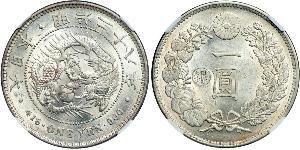
The most celebrated artifacts include the early silver Yen coins issued during the transition phase between feudalism and modern nationalism. These pieces were vital as they circulated in both rural areas and bustling cities alongside banknotes printed by newly formed state entities.
Gilded Denominations:
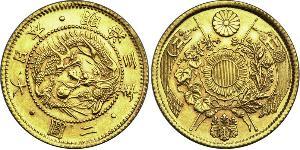
- The five-yen gold coin represents a pinnacle of numismatic artistry from this era. Designed to honor imperial rule while projecting economic stability, it features artistic depictions that align with contemporary royal portraiture traditions common in Europe but adapted uniquely for Asian iconography.
Copper Coinage:
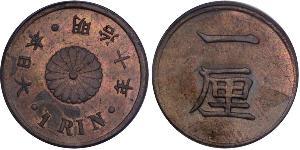
- The low-value copper pieces are equally fascinating. While often considered "small change" by historians, these coins illustrate how inflation affected daily life during industrial expansion years when raw material costs spiked and silver reserves dwindled.
Silver Standards:
- The early silver denominations remain highly sought after. Their designs often feature traditional Japanese flora such as maple leaves, camellias, or plum blossoms alongside rising sun symbols that later became central to national identity.
Cultural Legacy
To understand the cultural significance of these pieces requires analyzing them beyond their intrinsic metal value. Each design element reflects a conscious effort by designers to present an image of strength and modernity without appearing derivative or overly foreign in style.
The use of specific motifs was deliberate; for example, while Western mints might feature eagles representing authority, Japanese authorities opted for chrysanthemum crests alongside portraits that avoided the sternness typical of contemporary Western royal portraiture. This created a visual language accessible to both domestic populations and foreign merchants.
The evolution from traditional patterns depicting nature scenes into imperial symbols marks an important historical marker in statecraft. As the nation grew stronger, coin designs began incorporating military imagery or nationalistic slogans during turbulent decades while maintaining high artistic standards that honored centuries of artisan tradition in metalwork.
For collectors
The Empire period remains a cornerstone for serious numismatists interested in Asian monetary history. Collectors value these items not just because they are visually striking but because they represent an era where Japan constructed its own economic identity against Western pressure.
- Rarity: Circulation coins were heavily worn due to high volume use, making well-preserved uncirculated specimens difficult to find today. This scarcity adds a layer of historical preservation value that distinguishes the field from others where mass production continues globally.
- Artistic Evolution: Examining these coins offers insight into how art styles shifted over two decades, documenting changes in relief height and die wear across a period of significant social transformation within one nation-state system during the late 19th through early 20th century.
Finally, acquiring examples helps maintain continuity in global collections. While Western coinage dominates auctions due to volume trade focus on that region alone, Japanese imperial coins offer a distinct alternative portfolio opportunity for those seeking depth rather than simple market turnover value today as they stand firm among numismatic masterpieces.