| View |
| preceded by | |
| Israel (1948 - ) |
| succeeded by |
| Israel (1948 - ) | Link to Wikipedia |
Israel: History, Coinage and Collectibles
Historical Background
The land known today as Israel is steeped in a timeline of civilization that predates modern borders by millennia. To understand the coinage found within this region, one must first appreciate the profound historical tapestry woven over centuries. Long before any state issued currency with its own name, Judaea was an ancient nation-state whose wealth and trade were anchored to silver standards recognized across the Mediterranean.
The story of monetary evolution here is deeply intertwined with political transitions that reshaped daily life for merchants and farmers alike. During periods under Roman administration, local authorities like King Herod Agrippa sought autonomy while acknowledging imperial supremacy on their coinage. This dual influence created a unique hybrid style where biblical texts were minted alongside the profile Caesar or Augustus.
The region remained central to commerce during later empires including Byzantium and the Islamic Caliphates, which introduced new gold currencies flowing through the Levant trade routes. Following centuries of Ottoman rule, when silver shekels continued as primary denominations in local markets until the nineteenth century, a gradual modernization took hold under British administration following World War I.
The transition from ancient monetary standards to a unified national currency reflects broader changes in identity and state-building. The establishment of independence brought forth significant challenges regarding economic sovereignty that required stabilizing new trade relationships with neighboring nations and global financial institutions.
Currency and Coinage History
Mining for coin production was vital throughout antiquity, but the true evolution occurred when Jewish kingdoms began minting their own silver tetradrachms bearing the sacred legend Menorah. These pieces were struck not by Roman decree alone, but through a local initiative that signaled religious independence within an empire.
- The first modern currency for Israel emerged shortly after 1948 to facilitate trade with other nations while establishing national identity through imagery like biblical symbols representing ancient Jerusalem and the Temple Mount (prior to restrictions).
Dominant denominations began with gold, silver, copper, and nickel alloys. The shift occurred when global economies shifted from heavy silver standards toward lighter metals for circulation coins.
By 1953 Israel had adopted a new monetary system replacing older British Mandate notes to solidify sovereignty over its banking infrastructure. Throughout the twentieth century, various issues were authorized as part of broader efforts to unify economic policy with other nations under international trade agreements.
The introduction of smaller denominations in bronze and cupro-nickel allowed everyday commerce among market vendors who needed reliable change rather than heavy gold coins for wholesale exchange.
During periods when the value of silver stabilized or increased globally, collectors found that ancient pieces from Jerusalem held unique status due to their religious inscriptions. These artifacts became highly sought items in museums worldwide because they represented a rare intersection of art and faith produced under duress during times of war.
The modern era saw designs shift toward depicting landscapes including olive groves along Israel's northern borders alongside agricultural themes common across the Mediterranean.
Mints and Coin Production
Coinage production has historically relied on centers located near Jerusalem or Tel Aviv where skilled artisans worked in dedicated minting facilities established during periods of peace. The earliest known workshops date back to Herodian times when coins were struck within walls protected by Roman garrisons, yet maintained distinct religious legends.
Modern mints utilized advanced die-cutting technology imported from Europe and Asia while maintaining traditional methods that ensured precise detailing on obverses depicting ancient prophets or agricultural motifs found in biblical texts. Artistic characteristics vary significantly based on era; early independence designs were bold geometric patterns symbolizing resilience after state formation, whereas later issues favored intricate engravings inspired by historical manuscripts.
Production techniques changed from manual hand-striking during antiquity to machine pressing for modern mass production runs that ensured millions circulated through grocery stores and markets daily. Despite this industrial shift toward nickel alloys replacing copper in smaller denominations due to cost controls, special minted issues occasionally returned to traditional silver metals or gold bullion content reserved strictly for collectors seeking investment grade pieces.
Notable Coins
Around the ancient period stands out among all early coinage struck by King Herod's dynasty. The obverse typically features a profile of Alexander Jannaeus, while legends proclaim "Menorah" alongside religious dates calculated according to Jewish lunar calendars rather than Roman solar years.
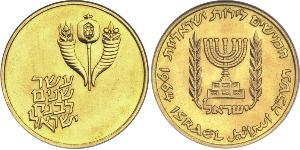
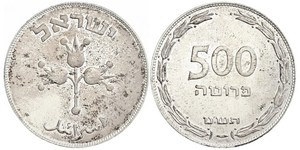
For those interested in modern collecting opportunities post independence 1948 onwards two specific issues deserve mention: First is the silver quarter-lira dated around mid-century which displays a figure of liberty standing before palm trees representing hope for future generations. Secondly, early bronze denominations bear images depicting olive branches or cornucopias signifying peace and prosperity.
- Ancient Tetradrachms:
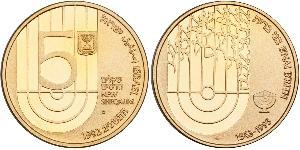
Modern Proof Sets from recent years have featured high-relief designs showcasing wildlife native to the region including gazelles and doves alongside historic landmarks like Masada ruins or Kibbutz farmhouses representing socialist ideals prevalent among early immigrants.
Cultural Legacy
The coinage of Israel offers a direct window into its complex heritage blending religious traditions with democratic values. Unlike many currencies dominated solely by national leaders, biblical texts often appear on ancient denominated pieces emphasizing spiritual identity over individual rulership.
In modern issues the shift toward nature scenes reflects an agrarian society deeply connected to land cultivation and harvest cycles crucial for regional survival during arid conditions.
For Collectors
The value lies in understanding each piece as a tangible connection across thousands of years separating us from ancient merchants trading spices or oil under royal authority. For buyers attending auctions it is essential to appreciate rarity associated with older issues struck for military campaigns or emergency wartime use rather than standard circulation.
When examining condition, focus on surface luster that indicates original mint state preservation versus heavy wear typical of daily transactions in markets centuries ago. Investing carefully allows enthusiasts to build a collection celebrating resilience and cultural continuity found throughout history books without relying heavily on fluctuating market values or speculative trends currently impacting global economy sectors.
Ultimately these artifacts stand as silent witnesses preserving stories about faith struggle trade survival against odds faced by generations preceding contemporary society today regardless political landscape changes affecting neighbors surrounding region over time periods past century long ago until now present moment we live during history books still being written across centuries spanning human experience recorded permanently within metal alloy forms forever lasting treasures found under glass display cases behind museum windows welcoming visitors worldwide interested exploring ancient world heritage preserved through coins.