| View |
| preceded by | |
|
|||||||
 North Borneo (1882-1963)
|
|||||||

| succeeded by | ||||
|

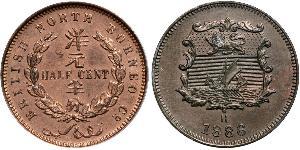
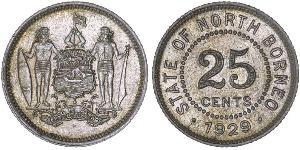
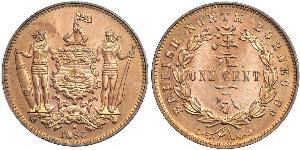
| North Borneo (1882-1963) | Link to Wikipedia |
North Borneo: History, Coinage and Collectibles
Welcome to a journey through the rich history of North Borneo, now known as Sabah within Malaysia, exploring how its monetary past reflects broader shifts in colonial power, trade economics, and regional cultural identity. This collection serves not just as an archive of silver and copper disks worn by hands for centuries but as tangible evidence of governance changes across Southeast Asia.
Historical Background
North Borneo lies upon a strategic stretch of coastline where the trade winds once turned ships toward ports that were gateways to wealth. Before becoming part of modern nations, it existed in relative isolation until European powers and regional sultanates began their long negotiation over sovereignty. The area was originally influenced by the Sultanate of Sulu from the south, with ties extending back centuries into Islamic maritime traditions, while maintaining distinct local customs that separated it from neighboring territories like Sarawak.
In 1883, Britain secured a protectorate agreement to protect its commercial interests in timber and trade. This era did not immediately transform every aspect of the region; rather, British administration worked alongside existing Malay administrative structures for decades. The transition was gradual until World War II brought chaos when Japanese forces occupied North Borneo from 1942 to 1945. Following their surrender, a new period emerged where Britain reestablished control under United Nations trusteeship before formally returning the territory as British Crown Colony in 1946.
This post-war restoration set the stage for a unique currency experiment that bridged older monetary systems with Western colonial standards. The economy relied heavily on tin production and agriculture, meaning any coin issued during this time had to facilitate commerce across a volatile market affected by global war prices. Understanding these historical pressures provides context for why certain coins were minted or replaced in local markets.
Currency and Coinage History
The evolution of money in North Borneo was heavily dictated by the needs of a colonial administration that sought to regulate trade within their jurisdiction rather than simply issuing new metal currency. Prior to full British control, the region circulated silver dollars brought from China or India alongside local sultanate tokens used for small change.
The establishment of the North Borneo Currency Board in 1946 was a pivotal moment where monetary authority shifted back firmly toward London's oversight standards while allowing limited flexibility. While coinage existed during this era, it often remained scarce because paper notes were more practical for large transactions and easier to transport across trade networks disrupted by wartime destruction.
This scarcity actually made the coins that did appear highly significant to future collectors. The Crown Colony status introduced new denominations featuring British iconography while attempting to respect local economic realities. However, during inflationary periods following WWII, paper notes became dominant again as governments sought flexibility in managing budgets and trade volumes without needing constant production of metal currency.
Mints and Coin Production
Detailed analysis reveals that most coinage for this region was not produced on a massive scale within local industrial facilities but rather struck at the Royal Mint or later regional branches elsewhere under British authority. The logistical constraints following World War II meant production centers were often shut down or repurposed.
The minting traditions followed established Commonwealth standards of quality and durability, yet artistic choices varied to reflect administrative changes rather than purely local tastes. When coins were struck locally during the brief administration transition periods after 1945, they utilized simplified techniques due to material shortages common in post-war Asia where precious metals like silver had been commandeered for defense or industrial reconstruction efforts.
The artistic characteristics are distinct from other colonial territories; unlike India's elaborate engraving styles seen on coins with more ornate flora and fauna depictions. North Borneo issues often featured restrained portraits of reigning monarchs alongside crests representing the Crown Colony authority, emphasizing legal sovereignty rather than cultural elaboration.
Notable Coins
For collectors interested in history, several specific coin types emerge from this period as particularly noteworthy due to their scarcity and historical timing. The silver dollar variants used during the immediate post-war years are central interest pieces because they represent a return to stability after wartime disruption.
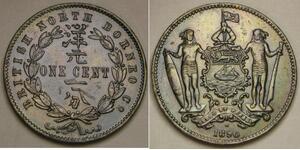
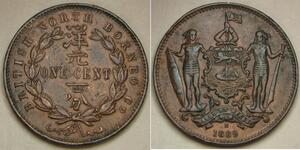
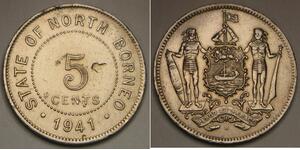
- The Silver Dollar: Often bearing portraits of British monarchs or simplified heraldic crests, these served as high-value currency before local paper issues took over their market share. Their designs reflect global trade aesthetics common among British possessions in the Pacific region during this era.
- Half Pennies and Pence Tokens: Following independence from Japan occupation control, small bronze tokens were issued to restart daily commerce immediately when official mints struggled with supply constraints. These are highly prized for their historical connection to immediate post-war economic recovery efforts.
- Sulu Sultanate Influence Pieces: Older pieces brought in by trade before 1946 feature earlier artistic styles relevant to regional cultural exchanges, helping collectors trace the path of currency usage across sultanates and colonial borders.
Cultural Legacy
The imagery found on North Borneo coinage serves as a window into its identity. While paper notes were used for practical commerce, coins remained important cultural artifacts marking official government status during significant historical transitions like the Crown Colony era in 1946.
Coin designs reflected shifting political alignments and trade relationships with Britain but also showed respect to local Sulu heritage where possible through artistic motifs that honored shared maritime histories. These symbols preserved a legacy of connection between Malay, Chinese, and British cultures present within one small geographic territory during critical moments in 20th-century regional history.
The decline in coin production mirrors the broader cultural shift toward paper money economies but leaves behind artifacts that speak to the resilience of traditional trade systems against modernization. Each surviving piece tells a story about how communities navigated inflation, administrative change, and global conflict while maintaining economic function for daily life during difficult times.
For collectors
The historical significance of North Borneo coinage lies in its rarity compared to the vast quantity of paper currency issued during similar eras elsewhere. For auction buyers looking at regional history, these items represent tangible connections to a time when British administration reshaped economic life across Southeast Asia.
Coinage remains an important tool for understanding pre-independence sovereignty dynamics because metal money was often used specifically by expatriates or merchants engaged in high-value transactions rather than everyday locals who preferred notes. This dual usage creates fascinating provenance trails where collector pieces reveal the specific social strata and trade networks that existed during mid-century colonial history.
North Borneo's monetary history is an essential chapter for those collecting from the British Empire or Southeast Asia, offering access to artifacts marked by scarcity and cultural intersection. Owning a piece of this currency connects one directly with a narrative that transcends simple transactional records into broader historical storytelling regarding identity change.