| View |
 Golden Horde (1224 - 1481)

| Golden Horde (1224 - 1481) | Link to Wikipedia |
Golden Horde: History, Coinage and Collectibles
Welcome to a rare glimpse through the lens of metal and ink from one of history’s most vast Eurasian powers. Today we stand before an empire that spanned from the Caspian Sea into Volga River lands, influencing trade routes between East and West for over three centuries. For the discerning numismatist, collecting pieces minted under this banner offers a window into the transition from nomadic conquest to settled statecraft. It is not merely about silver or gold; it represents the consolidation of power among tribes that became a dynasty.
Historical Background
The story begins in 13th-century Mongolia, where following Genghis Khan's death, his sons divided their domain between them. The western portion was led by Batu Khan and his brother Shiban, establishing the Golden Horde. As this state consolidated control over vast territories along the Caspian Sea, the ruling elites sought to move beyond pure plunder-based economies toward structured governance and taxation. This shift required a stable currency.
The empire's stability relied heavily on two pillars: agriculture and commerce. The Volga River became an arterial trade route connecting Moscow in the north with Astrakhan and Derbent further south, funneling goods destined for Baghdad or Constantinople through Golden Horde markets. To facilitate this massive commercial network, a standardized monetary system was essential to replace barter practices.
Culturally, there is much to appreciate regarding how these rulers navigated their identity between their Mongol origins and the settled life of the steppes they inhabited. Over time, particularly under Sultan Ozbeg in the late 14th century, there was a deliberate conversion from shamanistic or Buddhist roots to Islam. This religious shift profoundly impacted artistic expression, leading to designs that prioritized calligraphy over imagery, reflecting Islamic orthodoxy and avoiding idolatrous representations of humans.
Economic policy evolved alongside cultural assimilation. The early rulers relied on tribute extracted from conquered Slavic principalities in the north, while southern trade generated substantial revenue through taxes collected at key ports like Sarai Batu, later known simply as Sarai. This wealth allowed for grand architectural projects that rivaled any contemporary city in Europe or the Middle East.
Currency and Coinage History
The evolution of currency within this region mirrored broader trends across Eurasia but retained unique characteristics dictated by geography and conquest. The earliest coins did not appear immediately following invasion; they adopted models from their neighbors, particularly those minted in the Khwarazm Shahdom to facilitate trade through Persian lands. As the Horde grew confident, it established its own mints capable of producing high-quality silver dirhams.
Much like other great dynasties during this period, monetary standards fluctuated based on global commodity flows and local debasement needs. The initial standard was often a fine silver dinar or dirham, but over time, particularly as the economy expanded into regions where gold circulated more freely in the East (China), some mints began producing low-quality copper imitations of foreign currencies for trade.
Major reforms occurred when emperors recognized that high-purity coins fostered trust among international merchants. In these instances, authorities would recall old currency to melt down and produce new standards with slightly higher silver content or gold purity based on market availability in Central Asia at the time of their reigns. These policies were sometimes controversial within the court but resulted in a more robust internal economy.
Mints and Coin Production
Sarai, specifically Sarai-Berky-Ky (the capital), served as the primary production hub for silver coinage during the empire’s peak. This city housed sophisticated minting facilities capable of handling large volumes required by bustling Silk Road caravans passing through its southern gateways.
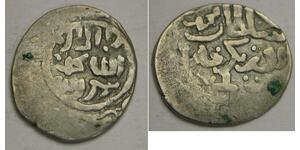
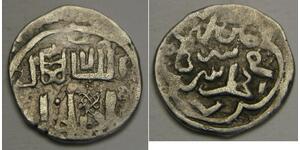
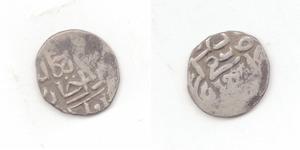
Coin designs generally favored calligraphic inscriptions praising divine power and referencing the Khan's name in Arabic script, often surrounded by geometric border patterns typical of Islamic metalwork. While most coins adhered to aniconical principles found across Islam during this era, early production sometimes included minor Turkic motifs or stylized depictions of camels before these were eventually standardized into purely textual designs.
Later mints operated under more centralized control as the empire fragmented following internal succession disputes. Production centers shifted from Sarai to smaller cities that served regional administrative capitals along the Volga and Don rivers. These facilities maintained high artistic standards even when metal supplies became scarce, utilizing recycled materials carefully managed by government officials.
The use of mintmarks identifying specific workshops is crucial for collectors studying origin locations during these eras. The quality of casting varied based on political stability; coins from the reigns of strong khans are known to feature crisp details and precise lettering compared to those produced during periods of civil strife when resources were depleted.
Notable Coins
The first major category a collector encounters is the silver dinar struck in Sarai. These pieces bear intricate Arabic inscriptions referencing Quranic verses alongside the ruling ruler’s title. Their weight was standardized to approximately 3 grams, consistent with earlier Persian standards adopted by conquerors seeking economic integration.
Another significant series consists of copper dirhams or small denominations produced primarily for local trade rather than international export. These are smaller in diameter and often display simpler designs compared to the gold and silver pieces intended for long-distance commerce among elites within court circles or diplomatic exchange missions.
A final notable group comprises late-15th-century coins minted after the fall of Sarai under successor states like Kazan and Crimea. While technically separate from the original Golden Horde entity, these issues retain significant historical interest as they represent the continuation of a cultural numismatic tradition established earlier in the history.
Cultural Legacy
The coinage reflects much about how this empire balanced its Mongol heritage with settled Central Asian culture. Early coins bore little imagery resembling rulers, adhering to strict Islamic principles that discouraged effigy minting during these early centuries of rule on Turkic lands.
This discipline evolved as time passed and new dynasties sought closer ties with European powers where portraits became common. However, even in later periods when depictions appeared rarely, they were always subordinate to religious calligraphy emphasizing piety rather than personal aggrandizement through image representation alone. This emphasis on spiritual legitimacy over individual power remains a key feature distinguishing these items from Western counterparts during the medieval period.
The symbols used include representations of water (river motifs) symbolizing prosperity and divine blessing, alongside stars representing guidance for traders navigating vast steppe territories without modern maps. These elements convey both practical utility in guiding travelers across harsh landscapes as well as philosophical meaning regarding fate guided by heavenly forces.
For collectors
The value of these items today is found not just in monetary price but also their connection to one of history’s largest empires during medieval times. Many pieces offer glimpses into how ancient societies managed complex trade networks without centralized banking institutions or digital currency systems we rely upon now.
A good collection starts with understanding the geographical spread from Sarai down to Astrakhan, noting variations in weight and purity levels as production shifted toward northern Russian territories where access to raw silver varied depending on availability. The transition from Islamic-style inscriptions back into Slavic linguistic influences marks fascinating historical shifts visible only when viewing these objects under good light.
Award-winning displays often feature high-relief borders that demonstrate superior craftsmanship during the empire's strongest periods, contrasting sharply with rougher production quality seen toward its end due to internal conflict. For those seeking a tangible link to Eurasian history spanning multiple civilizations and centuries of interaction between East and West, these metals provide an authentic narrative preserved through generations.