| View |
| preceded by | |
 Ragusa (1358 - 1808)
|
| succeeded by |
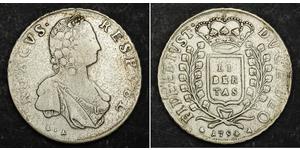
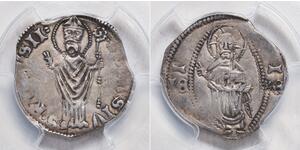
| Ragusa (1358 - 1808) | Link to Wikipedia |
The Republic of Ragusa: History, Coinage and Collectibles
Historical Background
Welcome to the storied annals of a city that stood as an island of liberty in the turbulent sea of medieval Europe. Today known simply by its Slavic name of Dubrovnik, but historically celebrated as Ragusa to Italians and diplomats alike, this Southern Dalmatian outpost crafted a legacy far beyond simple geography. Its story is one of resilience, maritime dominance, and political independence fought tooth and nail against regional powers like Venice.
To understand the coins that emerged from these cities, one must first grasp the rhythm of Ragusan life: it was defined by commerce. Unlike landlocked neighbors, Dubrovnik thrived as a conduit between East and West. It sat at the precipice of Europe, welcoming Venetian merchants, Byzantine traders, and Ottoman diplomats all within its stone-walled embrace. This unique position created an economy that demanded stability yet cherished sovereignty.
The political evolution was complex but vital to numismatic history. For centuries, Ragusa lived in a delicate dance under the suzerainty of Venice, paying tribute while fiercely guarding its internal laws and autonomy. However, true independence emerged more strongly during the 14th century. This era saw Ragusan merchants gaining freedom from Venetian interference with their trade routes, allowing them to mint money that declared not just loyalty to a distant doge in Italy or an emperor in Hungary, but pride in the Republic of Dubrovnik itself.
The city's motto, "Non bene pro toto libertas venditur auro"—Liberty is not well sold for all the gold—echoes through its history and finds physical manifestation on its most precious coins. As trade expanded into the 15th century to reach its zenith in the 16th and early 17th centuries, Ragusa became one of Europe's leading banking centers. This commercial vitality provided the wealth necessary for elaborate coin production, transforming simple accounting tokens into works of art that told stories of saints, coats of arms, and civic unity.
Currency and Coinage History
The evolution of money in this region reflects its shifting political tides. In the earliest days of settlement under Byzantine influence, coins were likely standard Greek issues circulating widely across the Adriatic. The city's name itself suggests ancient roots, evolving from Lausa to Ragusium and eventually Dubrovnik.
The economic backbone of these centuries was gold and silver currency derived originally from foreign sources or Venetian imprints. For much of its history as a semi-autonomous trading partner, Venice supplied the coinage that flowed through the Adriatic trade routes—the famous ducat in various guises. However, Ragusa desired to stamp its own identity onto metal.
The first significant moves toward independence came when political shifts allowed for local authority over finance. In the 14th and 15th centuries, silver coins began circulating locally as denominations like florins or ducats were struck in small quantities to facilitate daily transactions without relying entirely on imported bullion.
The great era of Ragusan currency production arrived during its height under Habsburg influence following the Ottoman sieges. While Venice was a rival, and later Napoleon a conqueror, it was the 16th-century reforms that gave Ragusa significant control over minting practices locally. This period saw the introduction of distinct denominations: gold ducats for high-value international trade; silver florins (often modeled on Venetian or Imperial pieces but with local heraldry); and copper coins like half-denars for commoners, creating a comprehensive monetary system.
Mints and Coin Production
The physical heart of coin production lay within the city walls of Dubrovnik itself. The mint was not merely an industrial machine room but a prestigious institution where artistry met commerce. Traditions held that silver used for these coins often came from Ragusa's own mines or trade routes, ensuring purity and reliability.
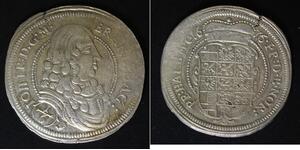
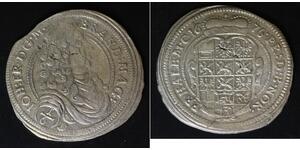
The artistic style on Ragusan coinage is perhaps the most fascinating aspect of collecting this material. Early issues show heavy Byzantine influence—serene busts with long hair and robes typical of Eastern Mediterranean aesthetics. As Venetian suzerainty strengthened in power but weakened in direct interference, Gothic lines began to soften into a refined Renaissance style.
Later pieces from the 16th century reveal an explosion of artistic expression seen nowhere else so distinctly for this era. The obverses often bore the coat-of-arms of Dubrovnik—a stylized tower or lion—often surrounded by inscriptions declaring the Republic's independence in multiple languages: Latin, Italian, and even Slavic Cyrillic script used on specific denominations.
Minting traditions also dictated what appeared. For instance, coins were frequently struck with low relief for foreign trade versions meant to be read quickly under ship lights or rough conditions at sea. Conversely, high-relief pieces often bore the more intricate portraits of Saint Blaise—the patron saint—whose feast day was celebrated with great civic pride.
Notable Coins
- The Ragusan Gold Ducat (14th–15th Century)
- Historical Context: Issued during Venice's era of dominance but asserting local identity through minting rights.
- Design Features: Typically features a bust on one side (often the Doge or Saint Blaise) and civic symbols such as an olive branch symbolizing peace with enemies, often seen alongside Venetian influence in earlier decades transitioning into distinct Ragusan imagery later. The legends are crucial: Latin inscriptions proclaiming "Libertatem" (Liberty).
- Importance: Collectors prize these for their rarity and the specific mints or years that indicate when independence was first being minted.
- The Silver Florin Variations
- Historical Context: As currency for local markets and regional shipping routes before gold took over as a primary export coinage.
- Design Features: High-relief portraits of Saint Blaise (patron saint) holding a cross. The reverse side often displays the city's seal—a tower or coat-of-arms—encircled by intricate lettering in Gothic fonts that are highly prized for their readability.
- Importance: These coins reflect the transition from foreign imitation to local distinctness, offering a timeline of Ragusan artistic evolution.
- The Copper Half-Denar
- Historical Context: Used purely within city walls, these coins facilitated daily trades in fish, olive oil, and wool—essential goods for a maritime republic economy.
- Design Features: Simple but elegant depictions of the town hall or St. Blaise church with minimal ornamentation. They often feature clear dates that allow dating to specific decades rather than broad centuries.
- Importance: While less commonly found, these copper pieces are crucial for understanding the economy's base layer and represent a rare glimpse into local commerce history separate from international trade coins.
This coin represents the Republic's commercial power at its peak. The historical context is significant as it was used in trade across Mediterranean ports, not just locally.
A staple of medieval trade, Ragusa produced several varieties. The most valuable are those showing distinct variations in the saint's representation or the city name.
A rare find for many collectors who prefer high-value silver or gold. The copper issues provide insight into the lives of common citizens and local commerce in the harbor city.
Cultural Legacy
The coinage of Ragusa was never merely functional; it served as propaganda. In an era defined by foreign suzerainty, the act of minting a gold ducat stamped with "Raguse" rather than "Venice" or "Hungary" was a declaration of independence.
Religious motifs were omnipresent but carefully curated to align civic pride with faith. Saint Blaise is not merely a figurehead; he represents the city's spiritual heart and its history under Byzantine influence before converting to other allegiances. The coins serve as portable pieces of art that carry the visual language of Southern Dalmatian society.
The political turmoil, including wars against Venetian forces or sieges by Ottoman armies (historically significant in 1569), often left mints producing "war issue" coinage or simply halting production. Coins from these turbulent periods are highly prized for their historical rarity and the specific legends that acknowledge conflicts with foreign powers.
Even as the Republic fell to Napoleon's forces in 1808, the numismatic tradition continued through French occupation mints until later re-integration into Habsburg rule. These transitionary coins represent a fascinating chapter where European history intersects on Dubrovnik soil, making it one of Europe's most compact but dense histories in small metal formats.
For collectors
The collection of Ragusan numismatics offers more than just investment value; it provides a tangible connection to the story of freedom against overwhelming odds. A coin from this period tells you that for over five hundred years, one city managed to maintain its own laws and currency despite being surrounded by empires.
To start collecting Ragusa history and coins today involves looking beyond mere catalog numbers. Seek out pieces with well-preserved legends; these are rare in later centuries due to the copper corrosion common on small change or silver tarnishing over decades of maritime exposure. High-quality examples show a sharp strike, reflecting the pride put into minting them.
Ragusan coins stand alongside those of Venice and Florence but possess their own unique soul—rooted in Slavic culture yet embracing Renaissance artistry from Italy. They remind us that even in an age when cities were often conquered or annexed by foreign kings, sometimes a simple gold ducat could be the smallest vessel carrying the largest message: liberty remains unbroken.