| View |

 Altena (1152 - 1609)
| Altena (1152 - 1609) | Link to Wikipedia |
Altena: History, Coinage and Collectibles
Historical Background
To understand the monetary narrative associated with Altena, one must first look to its roots within the complex tapestry of Westphalian history. While today known as a municipality in North Rhine-Westphalia, historically, this land was a focal point where diverse dynasties and states intersected. For centuries, Altena sat at the crossroads of trade routes linking the Low Countries with Central Germany. This geography made it an economic bridge rather than a standalone political power until its integration into larger German entities.
The region's story is intertwined with that of Brandenburg-Ansbach-Schwarzburg and eventually Prussia. During the Holy Roman Empire era, local autonomy was significant in many parts of Westphalia. Altena operated within various lordships where guilds managed market rights essential to trade. The economic health of a town like this depended on reliable currency, as merchants traveled long distances requiring standardized or accepted denominations.
The cultural landscape shifted dramatically with the rise of Prussia in the 18th century. As military administration expanded into Westphalia after various territorial adjustments following major conflicts such as those between France and Austria, Altena's local economic identity absorbed elements of broader German statecraft. This integration meant that while small towns maintained their distinct customs—such as festivals celebrating harvest or religious days—their economy relied on the silver standards set by larger mints in Berlin.
This transition from regional feudal control to centralized Prussian administration changed daily life for residents and collectors alike. The shift reflects a broader theme in German history: the movement toward economic unification before political ones. Coinage played a pivotal role here; as local fiefdoms fell under imperial oversight, so did their ability to strike currency independent of state approval.
Currency and Coinage History
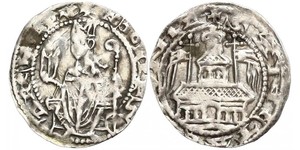
The evolution of money in this region mirrors the larger German experience but with distinct regional characteristics. In early periods, commerce relied heavily on silver pfennigs minted by local counts or bishoprics who held authority over market districts surrounding Altena.
Money evolved from simple bullion pieces to standardized coinage as trade expanded along the Rhine and its tributaries. The introduction of the Thaler became a defining moment for collectors today, representing an era when value was tied to weight rather than just government decree (Gut Gold). These older coins often bore mint marks that indicated local production or usage rights.
A major reform period occurred during the Napoleonic reorganization of German states. The Continental System and subsequent treaties required regions like Westphalia to adopt unified currencies, eliminating much regional variety. However, collectors look at these transitions with fascination because they represent a freeze in time for numismatic history—where local variations persisted briefly before disappearing into standardization.
The role of coinage was strictly tied to government revenue and trade regulation. Minting rights were privileges granted by sovereigns as tax or control mechanisms. For Altena specifically, its historical significance lay not necessarily in striking gold coins itself but serving as a circulation hub where various denominations coexisted—Prussian Talers alongside local copper tokens used for smaller transactions.
Mints and Coin Production
The history of coinage in the Altena region was influenced by several significant mints located at greater distances, such as Berlin or Dresden. Local workshops played a crucial role during earlier centuries when minting rights were distributed to towns possessing charters.
In later periods, production centers relied heavily on imported silver and copper from global trade routes rather than local mining. This reliance dictated the quality of designs found in circulation; often these coins featured artistic motifs common across Westphalia—grapes symbolizing abundance or protective symbols for travelers crossing mountain passes nearby.
The technology used shifted from hand-struck coinage to milled edges and more refined details during the industrial era. These changes are visible today when examining high-grade pieces; collectors can often distinguish between earlier struck coins, which show irregularities in strike quality due to older pressing tools, versus later period precision.
Distinguishing artistic characteristics is also vital for valuation. Older designs were heavily influenced by engravers working under strict guild regulations that protected religious imagery and royal effigies against unauthorized alteration. In contrast, late-period coinage from this region often reflects industrial aesthetics with less ornamentation but tighter detail on dates and mint marks.
Notable Coins
While the independent statehood of Altena was never formalized for currency issuance as a sovereign power in modern contexts, specific types remain notable to collectors interested in German regional history. The following pieces represent key milestones associated with this region's numismatic identity.
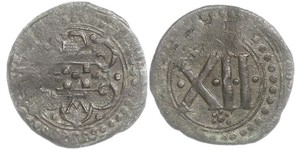
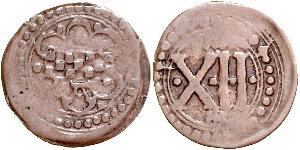
- The Westphalian Copper Pfennig: Historically significant due to its widespread circulation among merchants using local markets for daily goods. These coins were often struck under feudal charters before the Prussian reforms, making them attractive as historical trade evidence rather than pure state currency.
- Prussian Silver Thaler (19th Century): While minted in Berlin or Munich, these pieces circulated extensively through regions like Altena. Collectors value those with specific mint marks or errors that may have passed through the region due to trade routes linking Westphalia with Eastern Europe.
- Town Tokens from Surrounding Districts: During periods when standard currency was restricted or taxed heavily, local tokens were issued for market transactions. Although not sovereign state money in modern eyes, these are sought after by specialized collectors who study the micro-economies of German towns before unification.
The importance to collectors lies largely in their connection to broader historical events rather than scarcity alone. A copper piece might represent a specific year of industrial growth or agricultural success during that period, while silver pieces link local trade to national standards like the gold standard reforms later on.
Cultural Legacy
The coinage associated with this area reflects deep cultural roots in craftsmanship and agriculture. Designs often celebrate harvest festivals, religious processions (such as those at Christmas), or royal patronage that brought protection to local merchants.
Symbols of authority—crowns on Thalers, portraits of Prussian kings on silver pieces—served as reminders of state stability during times of political upheaval. For many residents living in the borderlands of Germany and the Netherlands these coins were also a symbol of national identity amidst shifting European alliances.
The economy reflected on currency quality itself; towns that could maintain high-standard mints or accepted foreign bullion often hosted wealthier populations. Conversely, regions struggling with debt issued lower-purity copper pieces to fund local projects like schools or infrastructure improvements, visible in the alloy composition of surviving specimens.
For collectors
The significance for contemporary collecting lies not merely in rarity but in storytelling potential within a region known as part of the Prussian legacy. As interest returns to regional German numismatics beyond major capitals like Berlin or Munich, items linked historically to Westphalia and areas like Altena offer unique perspectives.
Understanding why these coins matter requires knowing that they were instruments of daily life before becoming museum objects. For collectors today seeking depth rather than simple inventory numbers, pieces from this era provide insight into the transition between feudal economies and modern commerce. This historical connection offers an engaging narrative: how a small town’s trade routes once carried the same silver standards as those used by empires elsewhere.