| View |
| preceded by | |
 Solomon Islands (1978 - )
|
| succeeded by |
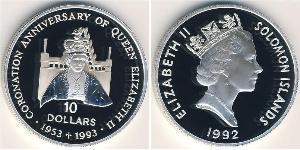
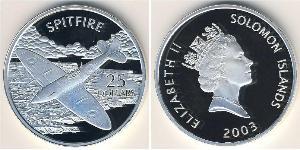
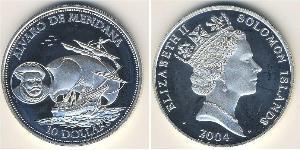
| Solomon Islands (1978 - ) | Link to Wikipedia |
Solomon Islands: History, Coinage and Collectibles
Welcome to a journey through time and metal. To stand before the collection of Solomon Islands currency is to hold in one's hand the tangible history of an archipelago that bridges ancient trade routes with modern Commonwealth ties. These objects are more than mere counters for commerce; they represent centuries of cultural evolution, from the first settlers sailing out of Bismarck New Guinea to the crowning days of independence under King Charles III.
Historical Background
The story begins far before any coin was struck. The island nation, situated northeast of Australia in Oceania, has been inhabited since approximately 30,000 BC by descendants of the great Lapita migrations. These early seafarers established a network of trade and interaction that predated European contact entirely.
The turning point arrived with the Spanish navigator Álvaro de Mendaña in 1568, followed later by British explorers like Philip Carteret who mapped these waters for imperial powers. While early visits were marred by disease and failed colonization attempts from Spain or France, a lasting connection was forged in June 1893 when Captain Herbert Gibson of the HMS Curacoa declared the territory a British Protectorate.
This declaration marked a shift toward formalized trade relations that would eventually necessitate a unified currency. The islands became an integral part of the Pacific trading network, supplying resources like copra and timber to global markets. During World War II (1942–1945), fierce fighting in campaigns across Guadalcanal disrupted these economic flows but also cemented a strategic alliance with Britain that would guide their monetary path for decades.
The modern era began as the British administration evolved into "The Solomon Islands" upon achieving self-government and independence. The transition from protectorate to sovereign nation culminated in 1975–1978, when they became a constitutional monarchy known simply as Solomon Islands. This political birth necessitated a distinct monetary identity that respected their rich heritage.
Currency and Coinage History
In the early decades of colonial rule, currency was not yet indigenous to this land. The islands utilized British Sterling standards inherited from Australia and New Guinea, circulating coins of the Crown alongside various trade tokens used by merchants in remote villages where barter still prevailed.
The evolution toward a local identity mirrors the path taken by many Pacific nations during the mid-to-late 20th century. As the colony moved toward independence around 1978, there was an urgent need to mint coins that reflected the nation's sovereignty rather than those of London or Canberra.
- The Transitional Era: During and shortly after World War II, commerce in Honiara required a stable currency. While notes were issued by British Colonial authorities, coinage was often supplied from Australia to maintain stability during the chaos of war.
- Decimalisation: Like most Commonwealth realms, Solomon Islands eventually adopted decimal monetary systems following Australian influence. This reform replaced older denominations with new coins that featured modern designs.
Mints and Coin Production
An intriguing aspect for the collector to understand is where these metals originated. Unlike major powers in Europe, Solomon Islands did not possess a large-scale minting facility during its early years of statehood. Instead, sovereign coinage was typically commissioned from specialized facilities outside the islands themselves.
The Royal Australian Mint Connection:
A significant portion of circulating and commemorative coins were produced by contract through major international mints, most notably those in Canberra (Australia). This relationship allowed for high-quality production while keeping costs manageable within a small economy. The blank planchets (metal discs) arrived from these industrial giants before being struck with designs that captured the local spirit.
Technological Evolution:
The artistry on Solomon Islands coinage has matured over time. Early issues featured simple portraits of the Monarch, standard for a Commonwealth realm at the start of their independence journey in 1975–1980s.
Notable Coins
To build a robust collection, enthusiasts should look to specific periods and designs that capture the soul of this nation. Here are three categories essential for understanding numismatic history:
- The Independence Era (1970s-1980s):
- Nature and Wildlife Themes:
- Commemoratives:
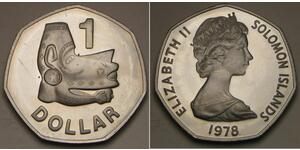
The first generation of independent coins often feature standard Commonwealth portraits alongside local heraldry. These early issues mark the birth of a national identity, separating the islands from purely colonial currency lines.
Solomon Islands are synonymous with vibrant marine life. Later commemorative series focus on this strength. The crab is often highlighted in design choices because it represents local abundance and economic importance to coastal families in Honiara and the outer islands.
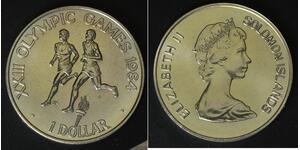
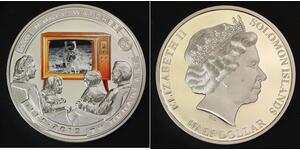
Families of collectors will find high interest issues dedicated to specific anniversaries or historical events, such as World War II memorials honoring those who fought on Guadalcanal. These designs usually carry detailed engravings by international medallists.
Cultural Legacy
The metal of the coin mirrors the history of the people it represents. As noted in historical records, the Solomon Islands were settled long ago and have remained a bastion of culture for tens of thousands of years. This deep roots is visible on currency through:
- Symbols of Identity:
Coin designs frequently depict traditional dancers or figures from pre-European settlement eras, honoring the Lapita ancestry and Central Solomon languages.
For Collectors: A Brief Summary
The value of collecting Solomon Islands coinage extends beyond monetary worth; it connects you to a small island nation in Melanesia that has survived centuries. From ancient seafarers navigating the Pacific trade routes to British naval explorers, and finally to an independent Commonwealth realm under King Charles III—the currency tells this story.
The importance of these collectibles lies in their rarity as sovereign issues from a small state (population roughly 820,000) that managed to maintain its own distinct numismatic program within the wider Pacific community. They are also significant for investors or historians interested in how colonial legacies dissolve into independence.
A collection of these items is like an atlas carried by metal and paper—offering a window not just at the economy of Honiara, but into the heart of Melanesian resilience. Whether studying the first coins minted after 1978 or modern commemorative releases, each piece preserves a story of survival, culture, and commerce.