| View |
| preceded by | |
 Bahrain
|
| succeeded by |
| Bahrain | Link to Wikipedia |
Bahrain: History, Coinage and Collectibles
Welcome to the realm of ancient trade routes where maritime history meets numismatic artistry. As your curator for this exhibition through time, we invite you to explore the small but significant kingdom situated at the crossroads of East Africa, Asia, and Europe. Today we delve into how a cluster of islands has contributed significantly not only to regional geopolitics but also to the world’s treasury of metallic history.
Historical Background
Bahrain occupies a unique geographical position that has long made it an economic powerhouse in antiquity and modern times. Archaeological evidence suggests this archipelago was home to Dilmun, one of the oldest urban civilizations on earth, dating back thousands of years before recorded history took its current shape. In those ancient days, Bahrain functioned as a bustling entrepôt for merchants traveling between India, Mesopotamia, and Arabia.
The economy relied heavily upon commerce rather than conquest until later periods. This maritime orientation fostered an early appreciation for wealth accumulation that would eventually be reflected in currency systems long before modern banking existed here today. The famous pearling industry transformed Bahrain into a city of light during the late nineteenth century, drawing ships from around the world seeking oysters and trade.
This economic reliance created demand for standardized value exchange across vast distances. Merchants required reliable mediums to settle debts incurred over voyages that took months or even years. As the economy shifted later in history following discoveries beneath the soil, wealth accumulated rapidly. The state stabilized under British protection treaties in the late nineteenth century and continued its development as oil resources brought further stability.
Currency and Coinage History
The monetary system of this nation evolved slowly through centuries of trade dominance before it developed a distinct coinage tradition. During earlier eras, travelers did not walk into markets carrying their own local currency but rather utilized foreign coins that circulated freely across regional borders.
In the early twentieth century and during British protectorate administration, the Indian rupee remained in circulation widely throughout these islands alongside other denominations brought by trade networks from Mumbai. This meant that while there was a lack of distinct national coinage for many years, local commerce thrived on foreign exchange standards recognized across vast continents.
The modern era began to take shape as financial sovereignty developed following independence decades later. The government established strict control over monetary issuance and introduced its own gold dinar denomination which replaced the reliance upon imported currency notes or coins from elsewhere. These reforms stabilized value, allowing for international trade that would continue to grow exponentially in subsequent years.
Mints and Coin Production
The production of coinage reflects how nations control their identity through artistry on metal surfaces. For much of its early modern history, the region did not produce coins locally but rather utilized stamps or designs applied onto existing mintages from overseas mints in India.
In later decades when sovereignty fully established itself, local authority over printing presses and production centers became paramount to national expression. The choice was made eventually to utilize external facilities for striking high-finish metallic currency during early independence years due to limited industrial capacity within small island territories.
Aesthetic choices were heavily influenced by regional Islamic traditions where calligraphy predominated design elements rather than pictorial scenes depicting rulers or animals found elsewhere in the world. Artists utilized geometric patterns and script that held religious significance, adhering strictly to traditional prohibitions against graven images while still creating striking visual statements.
The use of noble metals like gold was particularly significant here given their cultural value among wealthy patrons who commissioned jewelry from precious materials which often bore similar aesthetic values as coins struck by governments at official times.
Notable Coins
No collection is complete without a few standout pieces that represent the journey of wealth across time. We present three types particularly important to connoisseurs today, chosen for their historical resonance and condition availability rather than market value alone.
- The Early Silver Issues:
Silver coins minted during British administration offer a fascinating window into early commercial standards. These were generally simple in design featuring Arabic script along with dates calculated according to the Hijri calendar or Gregorian equivalents depending on era preferences.
- The Gold Dinar:
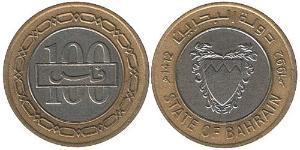
Perhaps most striking is the gold dinar introduced when oil wealth stabilized the economy. This coin represents a new age of financial independence with designs featuring pearls and eagles as national symbols alongside traditional calligraphy representing authority and stability.
- The Commemorative Marks:
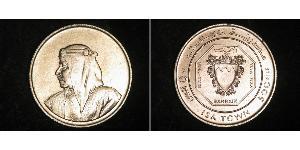
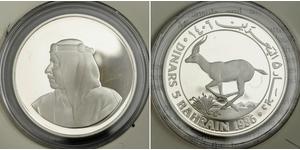
Limited issues were occasionally produced to mark significant dates like centennial celebrations or royal events. While these are rarer than circulating stock, they serve as historical markers connecting collectors directly with specific political achievements and national milestones.
Cultural Legacy
The coinage found within this region serves not just as legal tender but acts as a permanent record of cultural identity through centuries of shifting tides. Every line etched into metal speaks to values held sacred by local communities including religion, maritime heritage, and the enduring importance placed upon wealth accumulation for family security.
The designs utilized on official issues reflect artistic traditions that extend from earlier Persian Gulf art movements emphasizing floral motifs alongside Arabic inscriptions celebrating peace and prosperity. These elements remain consistent across various denominations demonstrating continuity in national character despite technological changes over time regarding production methods used by local authorities.
For Collectors
To those considering adding these items to their personal collections, the primary allure remains rooted in history rather than investment speculation alone. These pieces connect enthusiasts directly with a lineage of explorers and traders who shaped global commerce during eras when small island nations held influence far exceeding modern expectations.
Rarity is found here not just because few were produced but because early examples often circulated widely among local populations before being preserved by collectors today. Condition matters significantly as most silver items are heavily worn unless carefully stored over centuries, while gold issues generally survive in better states due to their inherent density and resistance against environmental damage.
This region remains highly regarded within broader Gulf collections for its distinct aesthetic choices compared with neighbors across the Persian Gulf or Indian subcontinent. Acquiring even a single example provides entry into understanding how regional economic policies influenced currency design globally through centuries of trade interaction between major world powers seeking access to Middle Eastern markets and resources.