| View |
| preceded by | |
 Swaziland (1968 - )
|
| succeeded by |
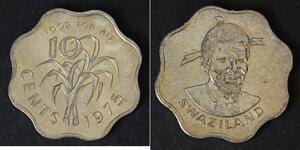
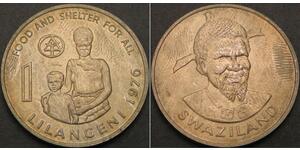
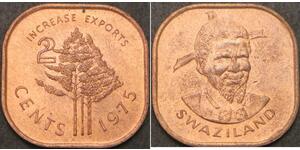
| Swaziland (1968 - ) | Link to Wikipedia |
ESWATINI: History, Coinage and Collectibles
Historical Background
Eswatini, historically known as Swaziland until its official renaming in 2018, is a small but culturally rich nation nestled deep within the highlands of Southern Africa. Its history stretches back thousands of years to prehistoric rock art dating from roughly 27,000 years ago and into recent centuries. The region was originally inhabited by Khoisan hunter-gatherers before being gradually displaced or integrated by Bantu-speaking Nguni peoples who migrated southwards following the Iron Age expansion.
The modern nation traces its roots to a series of small chiefdoms that eventually unified under powerful kings, notably Ngwane III and his successors. The Embo-Nguni people moved into what is now known as Eswatini during the 18th century, bringing cattle herding traditions with them from east Africa where they established their settlements near riverine sources like the Pongola River.
By the late 19th century and early 20th century, these Swazi territories had developed into a unified kingdom facing complex pressures from colonial powers. The area saw British involvement through treaties in 1884 that formalized protectorate status before eventual independence was achieved in 1968 following years of negotiations with the South African Union. Throughout this period, trade routes evolved to connect the country's interior agricultural economy—focusing on cattle and grain—with coastal ports like Durban.
Currency and Coinage History
The monetary evolution of Eswatini reflects its transition from local barter systems dominated by livestock trading into a modern colonial coin system. Following independence in 1968, the nation established its own currency board and minting traditions. Early circulation often saw British or South African coins used extensively alongside early official Swaziland issues.
The most significant period for collectors began with the post-independence era when new designs featuring local fauna were introduced to replace colonial motifs. In 1975, a major reform established the Lilangeni as the sole legal tender in two denominations: the coin (lil) and banknote series (mago). This currency remains pegged today against the South African Rand, though distinct numismatic designs have maintained strong collector interest throughout several decades.
During this time, minting practices shifted from local artisan production to sophisticated industrial techniques. The country began striking gold and copper-nickel coins that bore unique cultural symbols rather than just royal portraits or generic landscapes common in European colonies. As the nation modernized its banking infrastructure in the 1980s and 1990s, high-quality metal compositions including silver bullion issues were released for international commemorative purposes.
Mints and Coin Production
The production of Eswatini coinage has largely relied on regional partnerships rather than a massive in-house minting plant capable of industrial-scale output. For most years, coins have been struck by major foreign mints located across the Commonwealth or within South Africa to ensure consistent quality control.
Coin designs typically feature themes drawn from daily life such as agriculture—cattle, maize stalks—and natural landscapes including mountains and rivers that define the topography of Swaziland. The minting technology has evolved from simple electroformed proofs used for initial independence issues in 1968 to modern computer-controlled striking lines producing high-relief commemorative pieces.
Notable Coins
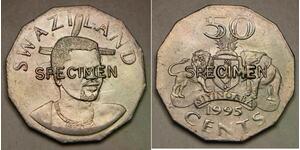
- The 5 Lilangeni (Copper-Nickel): First struck after independence, this coin bears the inscription "Kingdom of Swaziland" and featured indigenous animals like impalas or elephants alongside royal regalia. It is considered one of the early foundational issues for collectors focusing on post-colonial African currencies.
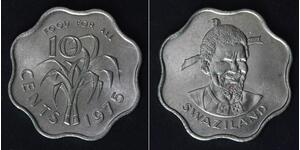
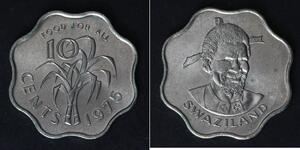
- The 10 Lilangeni (Silver/Bronze-Nickel): A larger denomination often used to denote significant national events. These coins frequently showcased agricultural tools like hoes or grain sacks symbolizing prosperity and food security.
- Commemorative Gold Issues: Special limited mintage pieces were struck for international exhibitions, featuring gold clad in platinum or silver backing with intricate reliefs of historic figures such as King Mswati II who unified the nation's geography. These are particularly sought-after by high-end collectors interested in royal portraiture.
Cultural Legacy
The coinage of Eswatini serves not merely as a medium for commerce but as an enduring record of national identity and cultural heritage. Designs consistently celebrate the "Nkosi" tradition—the praise name associated with leadership—alongside symbols of unity drawn from local folklore like reeds that signify ancestral origins.
Artistic choices include vibrant colors on polymer banknotes or embossed textures in coinage to reflect Swazi craftsmanship known locally as weaving and beadwork. Even though the country remains relatively small, its coins carry weight by preserving traditional iconography against a global backdrop of modern numismatics where few African nations maintain such distinct cultural signatures.
For collectors
Eswatini's historical significance lies in its preservation as one of Africa’s last remaining absolute monarchies and its unique journey toward economic independence. Collectors appreciate these issues for their distinctive designs that showcase Swazi artistry, diverse fauna imagery rarely seen elsewhere on regional currencies.
Despite political shifts or administrative changes over the years—such as name transitions to "Kingdom of Eswatini"—the lineage of coinage remains unbroken from its independence era through today. The country offers an accessible entry point for numismatics enthusiasts who seek pieces reflecting African traditions, historical continuity and craftsmanship without needing vast capital investments typical of gold bullion markets found elsewhere in the industry.