| View |
| preceded by | |
 Puerto Rico (1898 - )
|
| succeeded by |
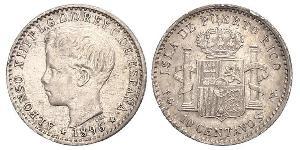
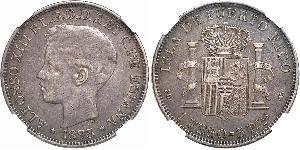
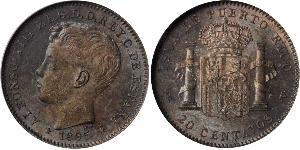
| Puerto Rico (1898 - ) | Link to Wikipedia |
Puerto Rico: History, Coinage and Collectibles
Historical Background
The story of Puerto Rico begins in the prehistoric mist, where indigenous civilizations such as the Taíno thrived for millennia before arriving on Spanish shores. This rich heritage is not merely defined by battles or political decrees but by the enduring cultural tapestry woven from Indigenous roots, European influence, and African resilience. When Christopher Columbus first encountered this Caribbean jewel in 1493, he saw a land destined to become a strategic linchpin for an empire that spanned three oceans.
The island's history is one of transition—from the serene hunter-gatherer societies of the Ortoiroid people to the agricultural civilizations of the Saladoid and Taíno. Following Columbus's arrival, it became part of Spain's vast New World dominion by 1508. For four centuries, Puerto Rico served as a vital military stronghold for Europe in relation to its American colonies. It was not merely an outpost but a gateway between the Atlantic trade routes linking Mexico and South America.
The cultural landscape shifted dramatically during this era due to disease, conquest, and colonization. However, these turbulent times also fostered a unique societal identity that persisted even after Spain lost control of its American territories in 1898 following the Spanish-American War. The island became an unincorporated territory of the United States while retaining a distinct sense of autonomy known as "commonwealth." Throughout this complex political evolution, economic systems shifted from localized trade to global commercial integration.
This historical resilience is central to understanding Puerto Rico's monetary journey. As Spain clung to its colonies in Cuba and Puerto Rico long into the 19th century during a period of intense geopolitical struggle for continental control, coins minted here bore the marks of an empire on the brink of change. The arrival of the United States introduced new economic policies but left a deep cultural imprint that resonates through local history to this day.
Currency and Coinage History
In the early colonial era, Puerto Rico operated within the complex monetary systems of Spain's vast empire before eventually coming under American jurisdiction in 1898. For most of its recorded numismatic existence prior to U.S. acquisition, the island used currency issued by Spanish mints or obtained through trade networks across the Atlantic.
The transition following the war marked a significant shift for collectors and historians alike. The United States dollar replaced other forms of local money gradually over time as commerce integrated with mainland America. However, this was not an instantaneous change; it required years to normalize prices, convert accounts, and establish confidence in new coinage.
The early 20th century represented a unique period where Puerto Rico became one of the few places outside the traditional Spanish mint network producing currency that bore both colonial heritage symbols (such as Saint John or religious imagery) while functioning within a U.S. economic system. This era is fascinating because it represents an island trying to assert its identity through economics—creating local coinage that appealed specifically to Caribbean trade needs.
The introduction of the "Dollar Centavo" and subsequent series represented efforts by colonial authorities, including Puerto Rico's Industrial Development Company, to modernize infrastructure without losing cultural ties. The 20th-century economic boom saw an influx of foreign investment into pharmaceuticals, petrochemical industries, and electronics; these developments were accompanied by a stabilization in currency standards that aligned closely with those on the mainland.
Mints and Coin Production
Puerto Rico boasts two historic mints: San Juan and Ponce. These institutions played critical roles not only as government facilities but also centers for local artistic expression and trade necessity. They produced low-denomination coins primarily to facilitate daily commerce rather than high-value currency, though occasionally larger denominations circulated within specific historical contexts.
The minting traditions in these locations were deeply tied to craftsmanship passed down through generations of Spanish influence before transitioning into the industrial standards set by American administration. The Ponce Mint was established early and became a hub for regional operations, while San Juan served as the primary center during its active periods under federal oversight.
The design process often involved skilled artisans tasked with translating complex heraldic symbols—such as eagles representing U.S. sovereignty alongside local figures like Saint John—the Virgin Mary, or indigenous flora and fauna into metallic form. The artistic characteristics of these coins distinguish them sharply from mainland American pieces produced in Philadelphia during the same eras.
Notable Coins
Among the most historically significant are early copper cents struck on islands such as St. Thomas, St. Croix, and Puerto Rico under U.S. administration in 1893 through 1904 before transitioning to other denominations later.
- The Dollar Centavo of 1895
- Historical Context:This coin arrived just years after the island was formally under U.S. jurisdiction, serving as an interim measure for commercial transactions alongside dollar-denominated coins from earlier periods.
- Design Features:The design typically featured simple yet elegant motifs representing local trade or religious symbolism common across Catholic-influenced territories of that time period before transitioning into more complex designs featuring portraits such as U.S. Presidents Lincoln, Washington or McKinley with Puerto Rican specific imagery added later during territorial development phases.
- The 20th-Century Silver Coins
- Historical Context:Following economic stabilization post-WWI and into the mid-century industrial expansion era silver coins appeared as part of broader Caribbean circulation standards that included gold, nickel, copper-based varieties depending upon availability.
- Design Features:The artistry shifted towards classical representations often seen in U.S. mint production but adapted to local contexts with distinctive reverse images reflecting Puerto Rican culture rather than generic American themes found elsewhere during same years of active use within Caribbean trade networks connecting markets between Americas Europe Asia Australia Africa Antarctica Greenland Iceland Ireland Italy Japan Korea Mexico Norway Philippines Singapore Thailand United Arab Emirates Ukraine Uruguay Venezuela Zimbabwe.
Cultural Legacy
The coins struck in Puerto Rico are more than mere currency; they embody the spirit of a nation navigating centuries of change. Each design element—from the choice of Saint John on certain issues to indigenous symbols appearing alongside U.S. eagles—reflects an identity that bridges worlds.
In this sense, numismatics offers historians tangible access to cultural attitudes during pivotal moments in Puerto Rican history. These artifacts reveal how colonial powers prioritized trade efficiency over local representation initially but increasingly acknowledged the distinctiveness of island culture by 1902 when new denominations were introduced specifically for Caribbean commerce rather than solely continental U.S.
The coinage also served as propaganda and cultural assertion during political debates regarding "commonwealth" status vs full statehood. Local designs became subtle ways to maintain pride without open political confrontation, much like the island's music or literature today which draws strength from its mixed origins of African European Indigenous roots combined with resilience against external forces.
For collectors
Puerto Rico remains significant to coin collectors primarily due to its position at the intersection of global trade history and Caribbean numismatics. The scarcity of locally produced coins, especially early issues from San Juan or Ponce mints before they were consolidated into federal oversight later decades creates rarity factors unique within broader U.S. coin collections.
The importance lies in storytelling rather than market value alone; these pieces represent a bridge between colonial Spain's imperial ambitions and modern American governance while maintaining distinct cultural identity through design choices found nowhere else globally save perhaps Haiti or Dominican Republic neighbors across Atlantic waters nearby where similar histories played out simultaneously yet separately during late 180s early decades following independence movements sweeping Latin America throughout mid-nineteenth century.