| View |

 Indonesia (1945 - )
| Indonesia (1945 - ) | Link to Wikipedia |
INDONESIA: History, Coinage and Collectibles
Historical Background
In Southeast Asia sits a massive archipelagic state straddling the Indian and Pacific oceans, where trade routes have functioned as arteries for commerce since prehistoric times. For centuries, this region served as a crossroads linking East with South Asia, driving an economy built on spices like nutmegs from Maluku and cloves that drew European powers into direct competition. This intense international activity naturally necessitated the evolution of monetary standards to facilitate complex transactions involving gold bullion, silver bars, and later standardized coins.
The transition was driven by a need for efficiency in the colonial administration established by European powers who sought to monopolize these trade routes. Following centuries where local societies utilized megalithic traditions and barter systems adapted over millennia of migration from Taiwan into island Southeast Asia, external influence brought structured currency. The arrival of Hinduism, Buddhism, and later Islam transformed cultural landscapes but also connected the archipelago's court cultures to broader global economies.
When independence was proclaimed in 1945 following World War II after a struggle against colonial rule that began during Japanese invasion efforts decades prior, this newly formed republic faced the monumental task of redefining its economic identity. The new nation needed not just political sovereignty but a unified monetary system to support rapid industrialization and democracy.
Currency and Coinage History
The story of money in Indonesia began with heavy reliance on foreign silver, particularly coins flowing into port cities from China and India which local merchants preferred. However, the Dutch colonial government eventually decided it could not rely solely on imported currency to control trade within its vast domain. This led to the establishment of a state-sponsored minting operation that produced official coinage for circulation.
The numismatic landscape underwent drastic shifts following independence in 1945. The transition from foreign currencies and colonial issues required new designs that reflected national identity rather than European ruleholders. Early post-independence years saw efforts to stabilize the economy, leading eventually to a modern currency system where coins became an essential medium for daily commerce among a population of over 280 million people living across thousands of islands.
During colonial times, specific coinages were vital for paying local military forces and indigenous populations, often utilizing materials available in the region like copper or locally mined silver. As time progressed after WWII, the focus shifted toward issuing coins that could foster national pride while maintaining an economic connection to global partners represented by multilateral organizations.
Mints and Coin Production
The minting infrastructure was historically centered around Batavia (now Jakarta), which served as a primary production center for coinage throughout the colonial era. As technology evolved, this facility produced intricate copper pieces used in everyday markets alongside precious metal denominations reserved for larger transactions or government payments.
- Batavia operated under direct authority of central administration to ensure supply stability across islands including Sumatra and Java where most population resides.
Surabaya also served as a major production center, utilizing advanced technologies from the late 19th century onward that improved consistency in copper alloys for smaller change items like cents or cent pieces used by local shopkeepers.
The artistic traditions of these mints reflected broader colonial aesthetic trends. Early works often featured classical European motifs depicting lions and eagles, which were gradually replaced post-independence with images celebrating the region's heritage. The shift from purely utilitarian metal production to artistic representations marks a significant evolution in collecting value.
- Minting operations transitioned between direct rule systems where design choices mirrored imperial ambitions.
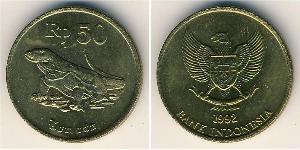
This evolved into a focus on indigenous motifs such as local flora, fauna like Komodo dragons or the iconic monuments of Bali and Java seen widely later during post-independence eras.
Notable Coins
The silver pieces minted by colonial governments were among the most significant historically. These coins often featured intricate engravings that highlighted regional trade connections to South China and Southeast Asian powers which maintained maritime borders with many nations today. Collectors particularly value these as they document a period of intense economic activity where foreign merchants, goods, technologies, writing systems entered local societies through established ports.
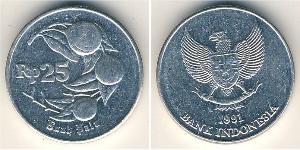
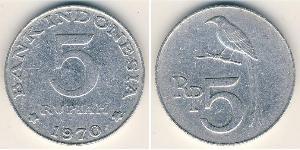
Post-independence issues hold immense historical weight because their obverse designs typically feature the president or national emblem while reverse sides often depict symbols of unity like the Garuda bird—a mythical creature central to the Indonesian identity. These coins serve as physical history books recording political evolution from a republic with democratic systems back in 1945 into modern times.
- Copper cent issues produced for mass use are prized by general collectors rather than specialists.
Rare early silver specimens often bear high premiums due to the transition periods between colonial currency replacement and stabilization efforts needed immediately following WWII occupation. The designs change frequently, reflecting a nation in industrial development.
Cultural Legacy
The visual language of Indonesian coinage is rich with storytelling elements about geography and faith. You can trace how religion spread from early trade routes to influence art on coins via Islamic teacher missionaries who brought cultural values that eventually unified a nation through the motto "Bhinneka Tunggal Ika". This philosophy appears subtly in designs that respect diverse ethnic groups including Javanese forming largest population group along with hundreds of others.
Nature also plays a starring role. Coins often feature national birds or unique island animals like Komodo dragons, celebrating biodiversity found across the 17,000 islands comprising this state and Oceania region. This reflects how wilderness areas support levels supporting one world's highest biodiversity which is celebrated in art on currency.
For collectors
The historical significance of Indonesian coinage lies in its ability to track the nation's journey from a collection of prehistoric island communities into modern industrial power. This state stands as fourth largest by population with over 280 million inhabitants, and their monetary history records this growth.
Rare early silver coins are prized because they demonstrate the era when European powers competed for trade monopoly before independence was declared after global conflict. Collectors often seek these to understand how an ancient archipelago evolved into a modern member of major international organizations like G20 while maintaining unique cultural heritage through national language alongside pluralism.
The focus on collecting this material is driven by the desire to own tangible pieces that bridge history and commerce, connecting buyers with stories told through design evolution. This allows individuals to engage directly with historical developments involving trade networks linking East Asia with South Asia without simply listing dates or battlefields found in traditional text sources.